Stay curious…
T-Shirt Shop
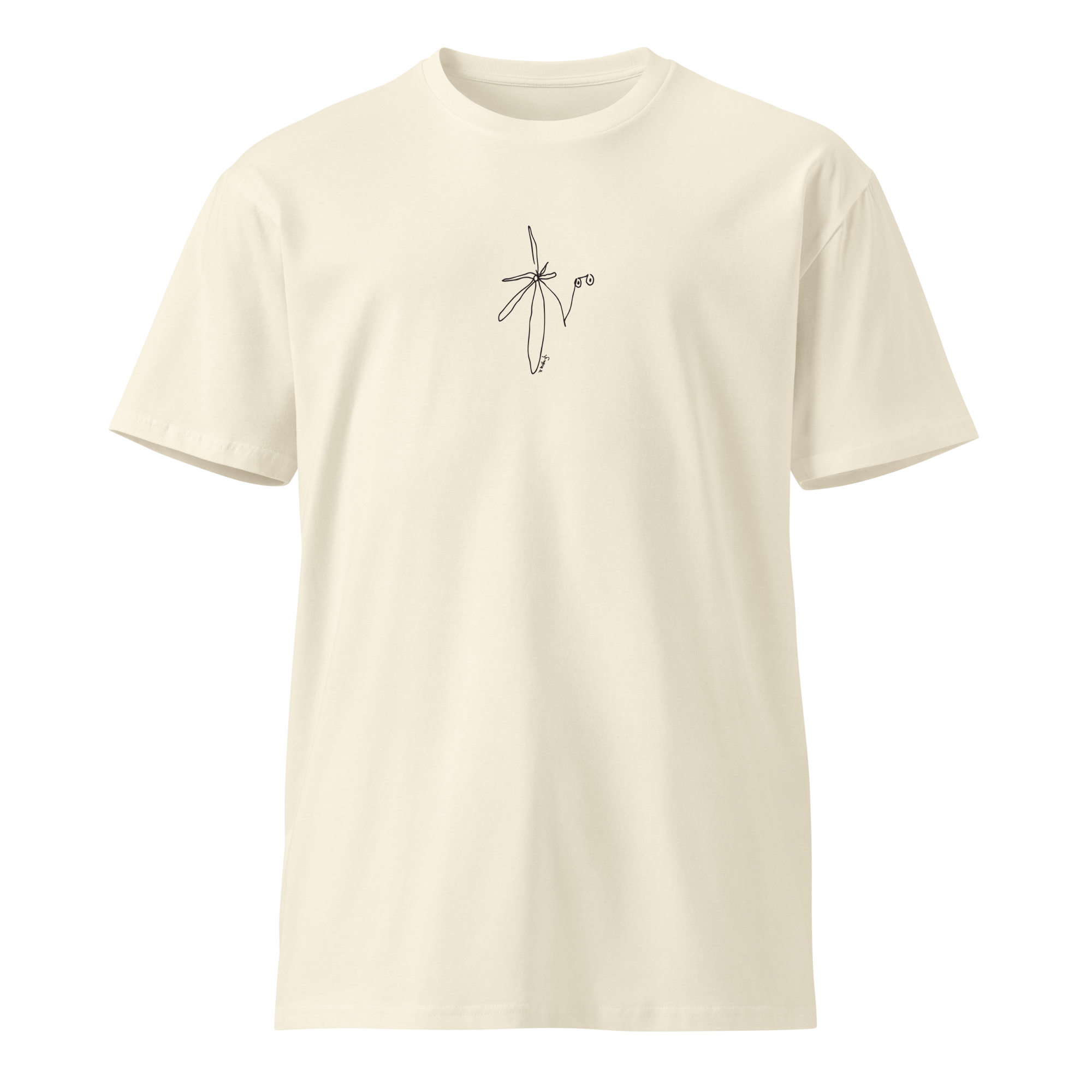
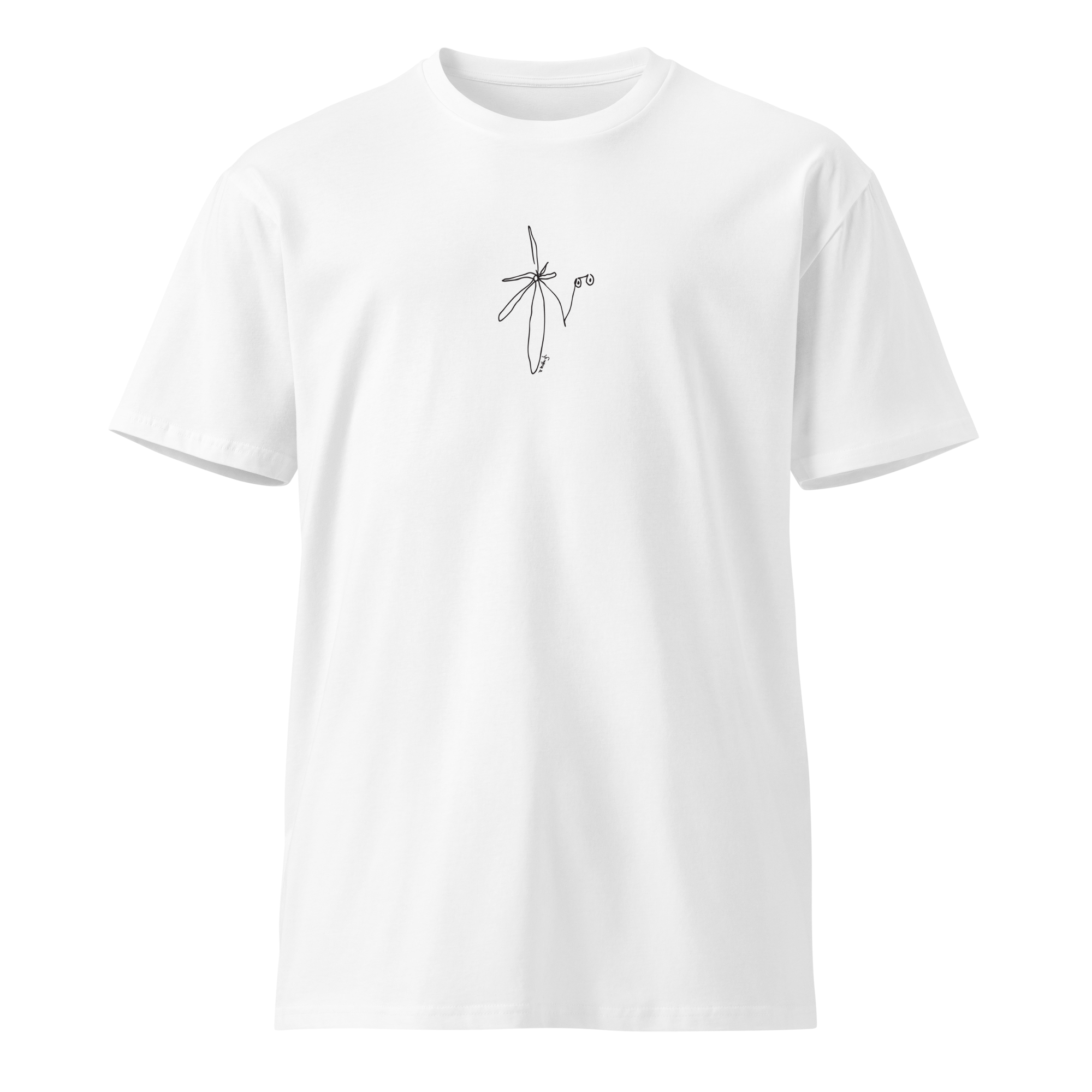
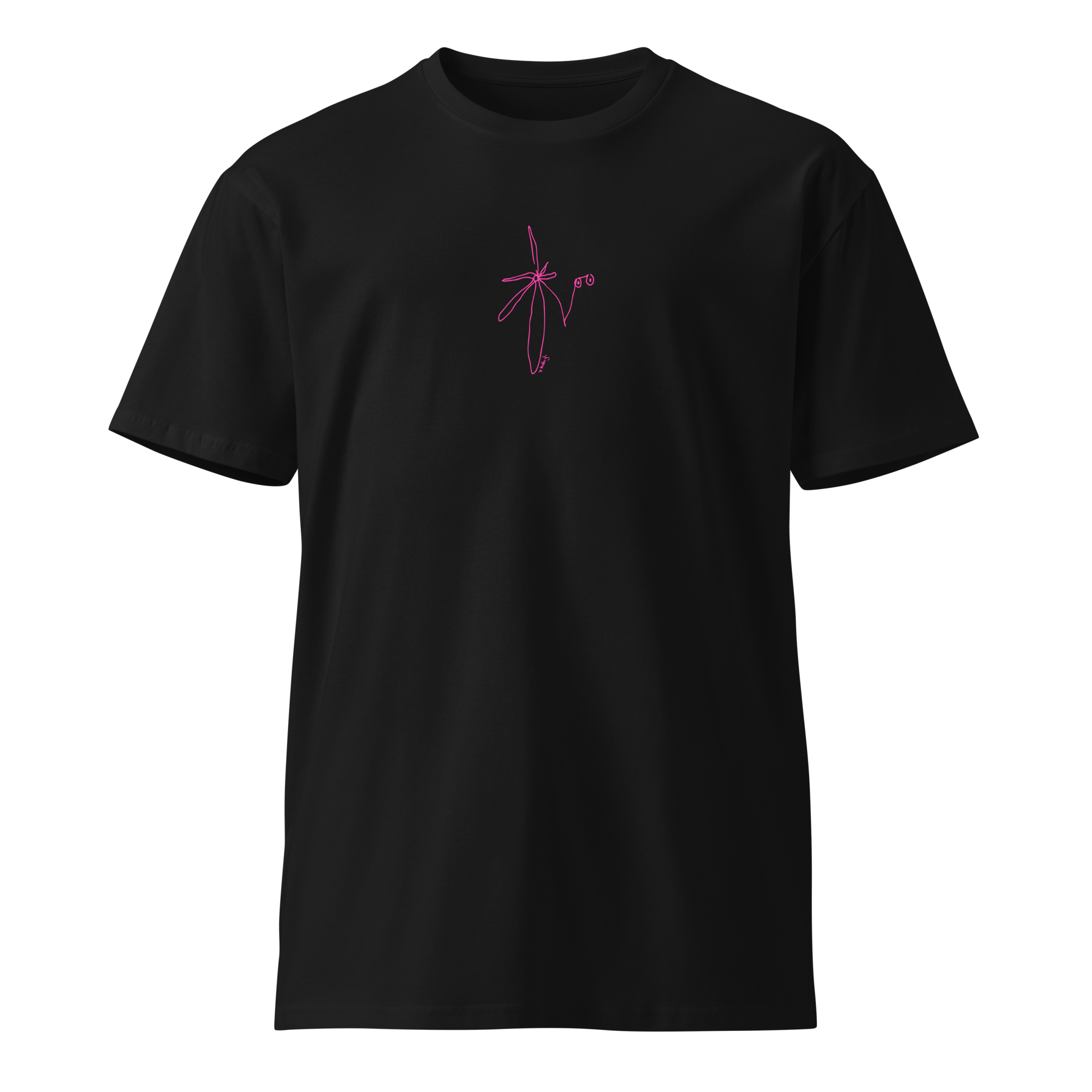
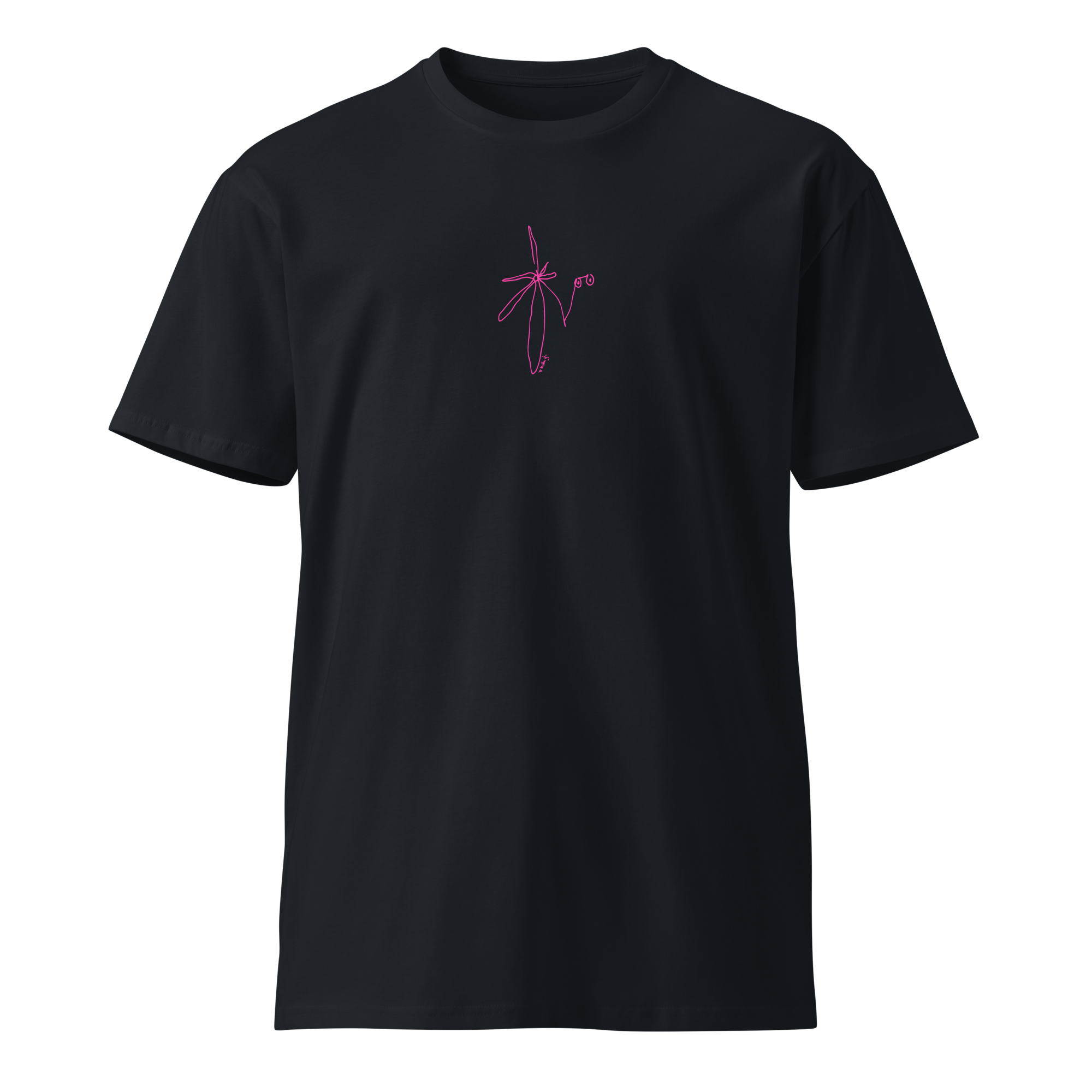
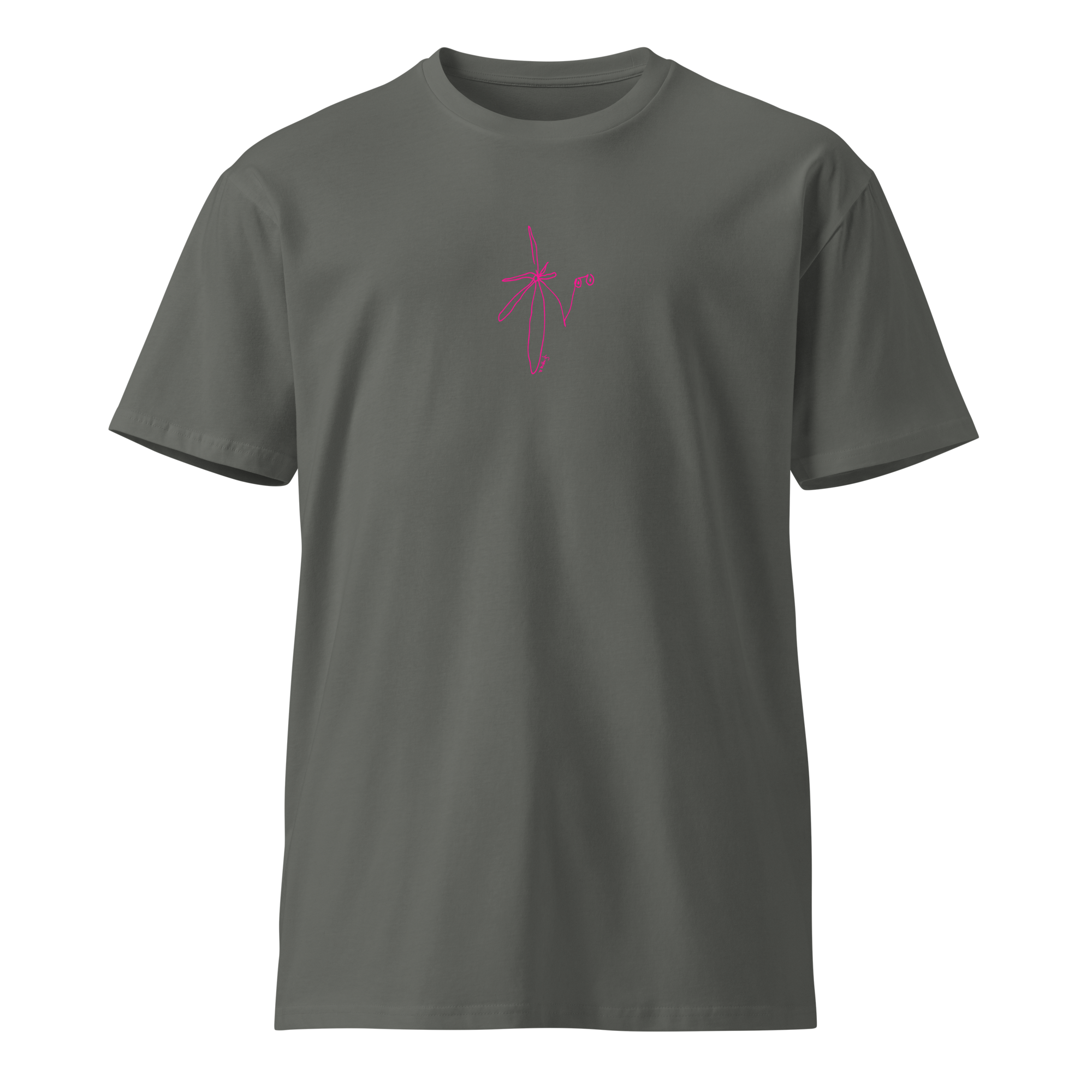
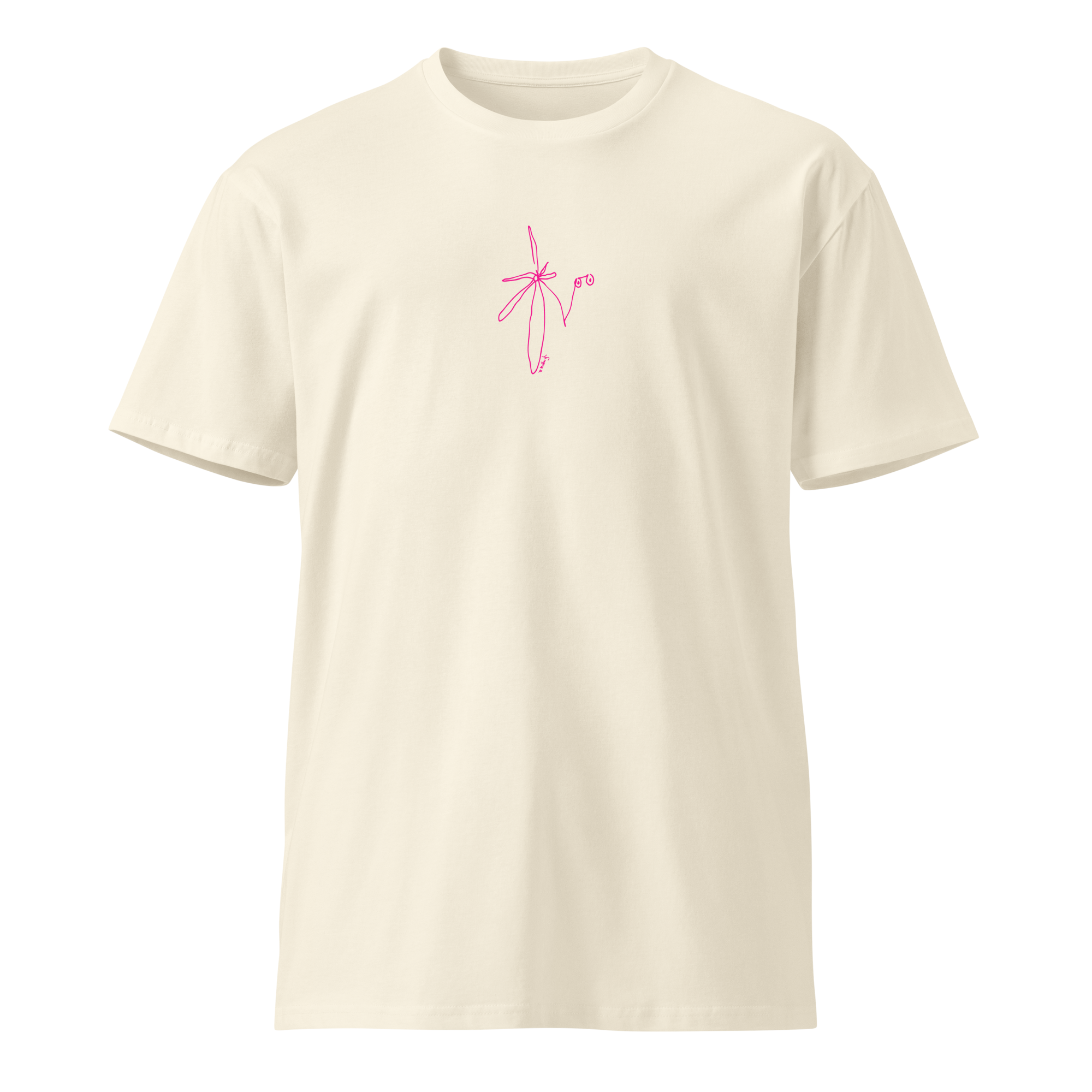
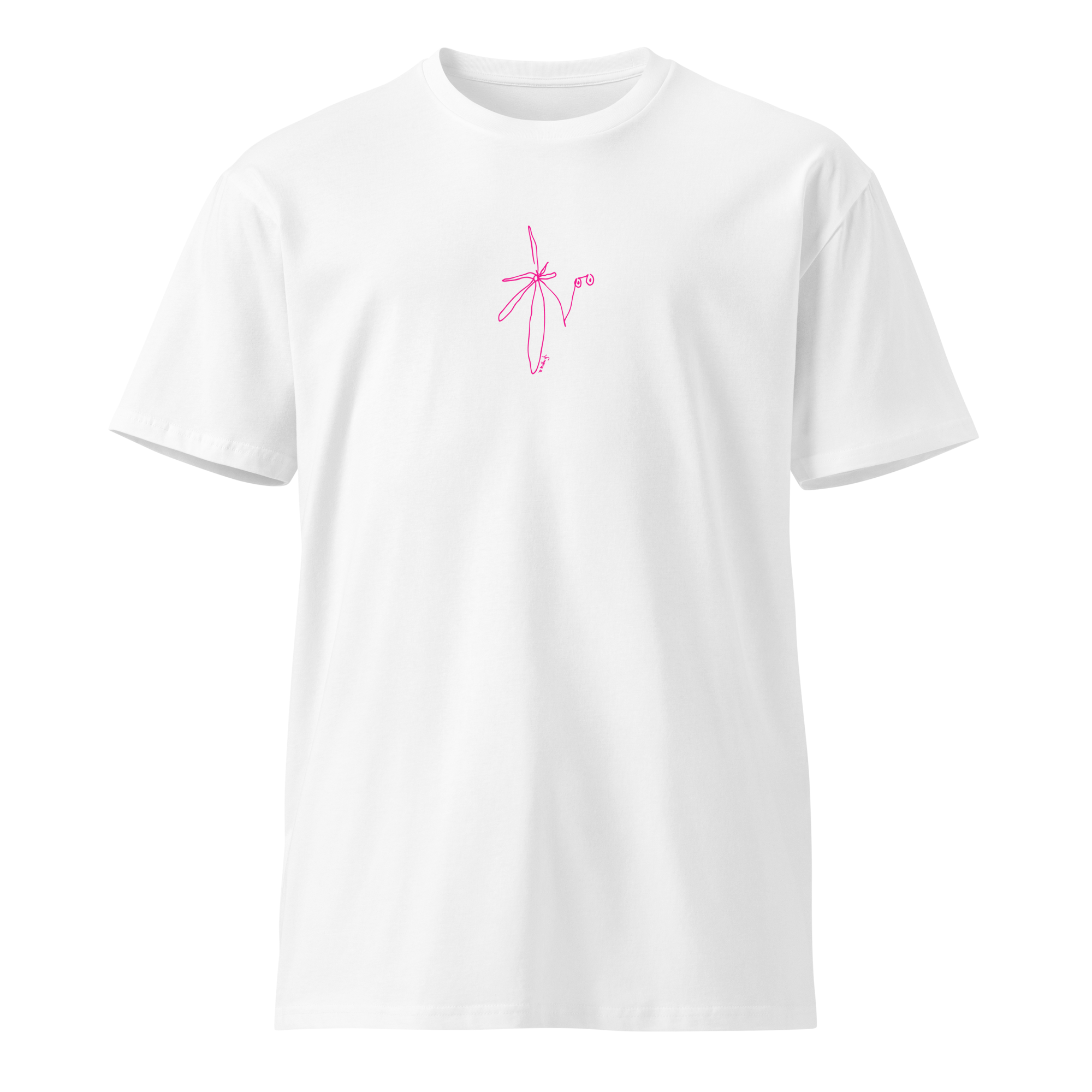
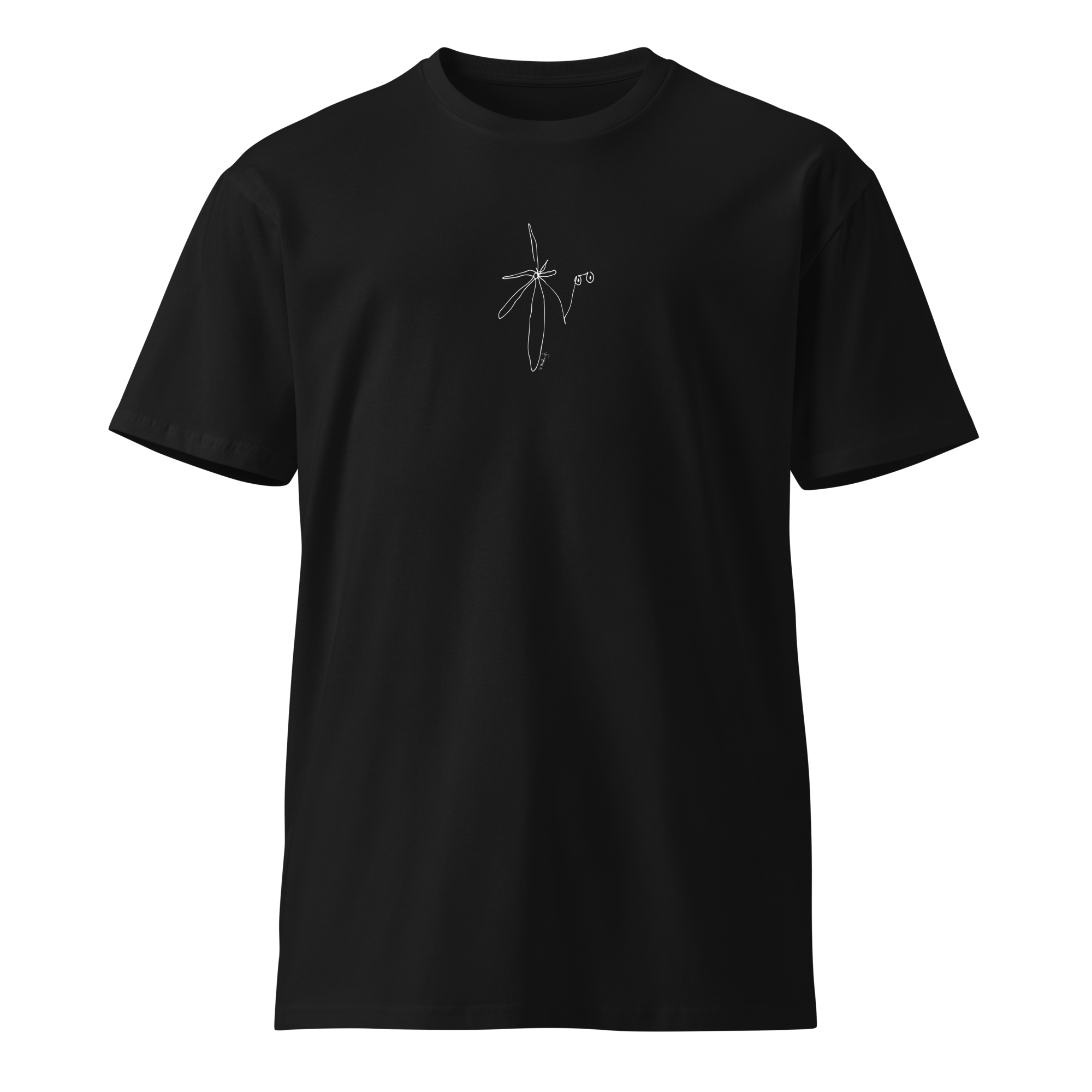
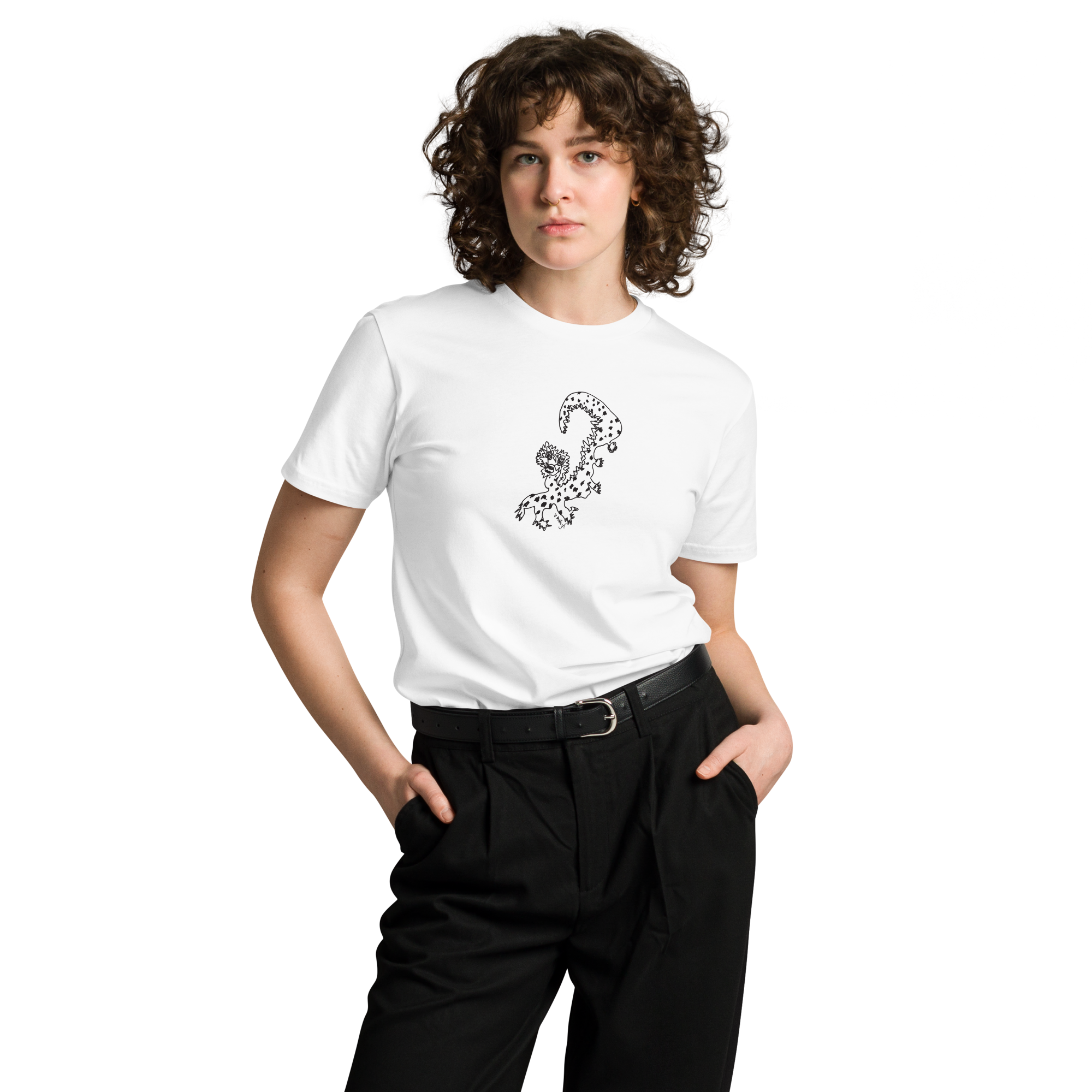
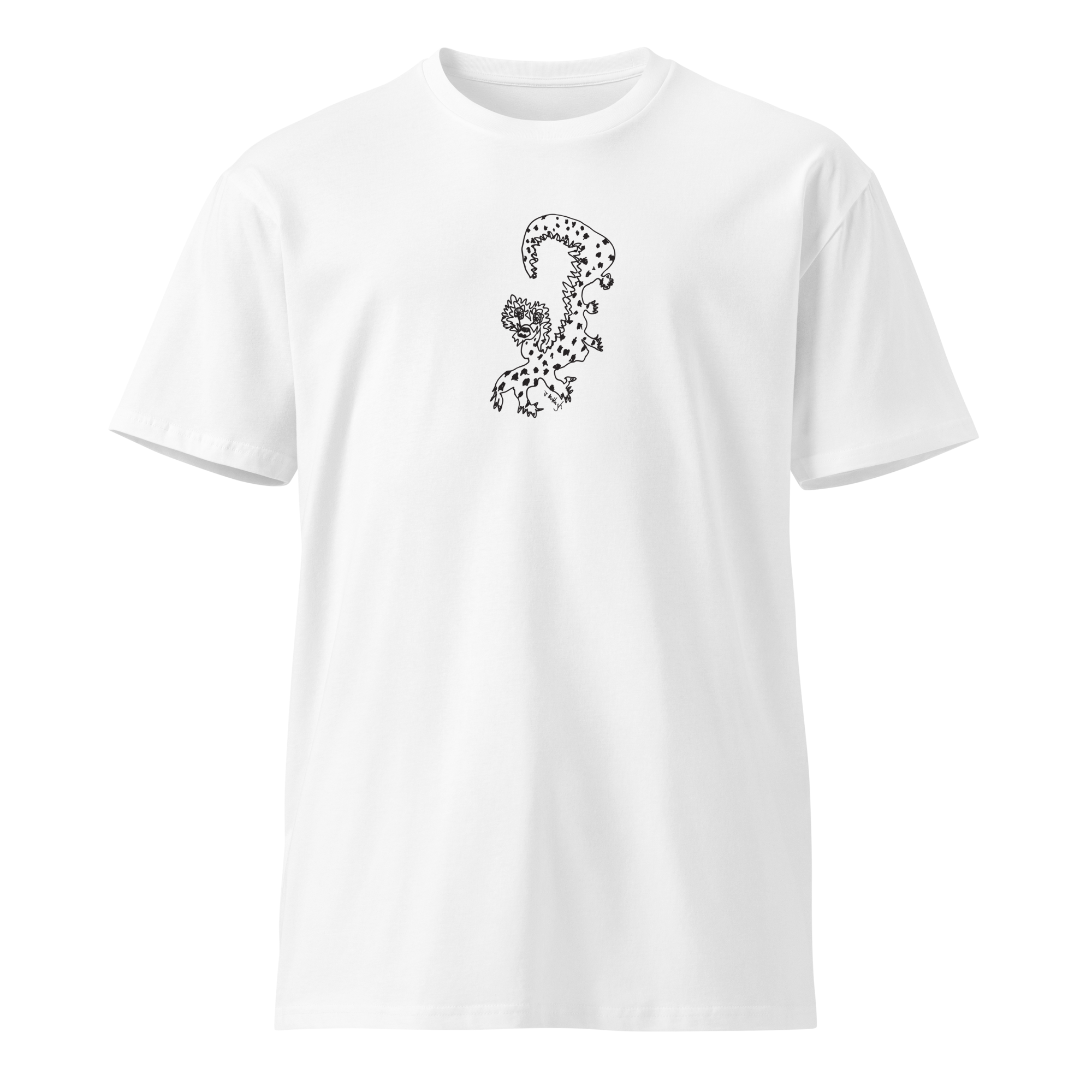
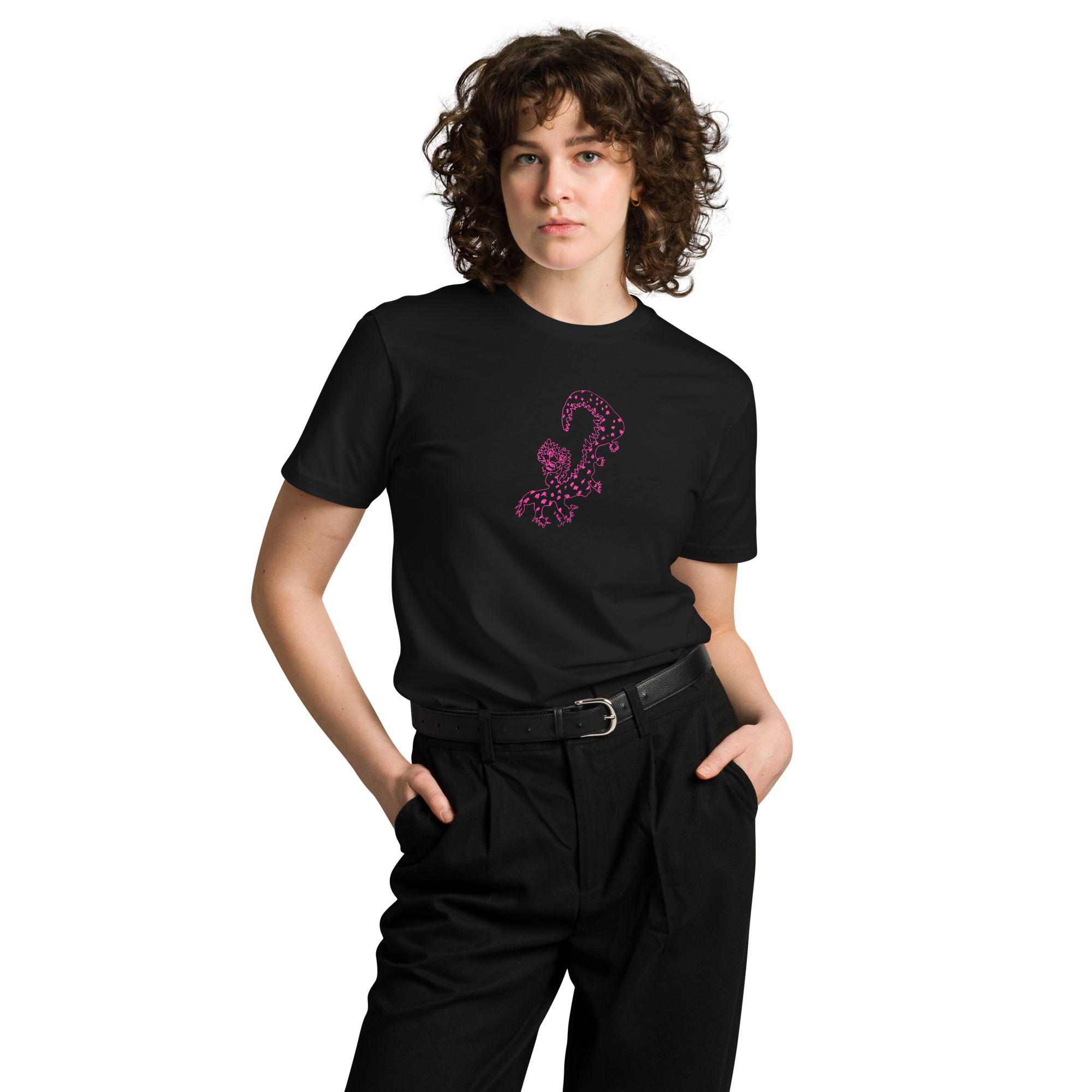
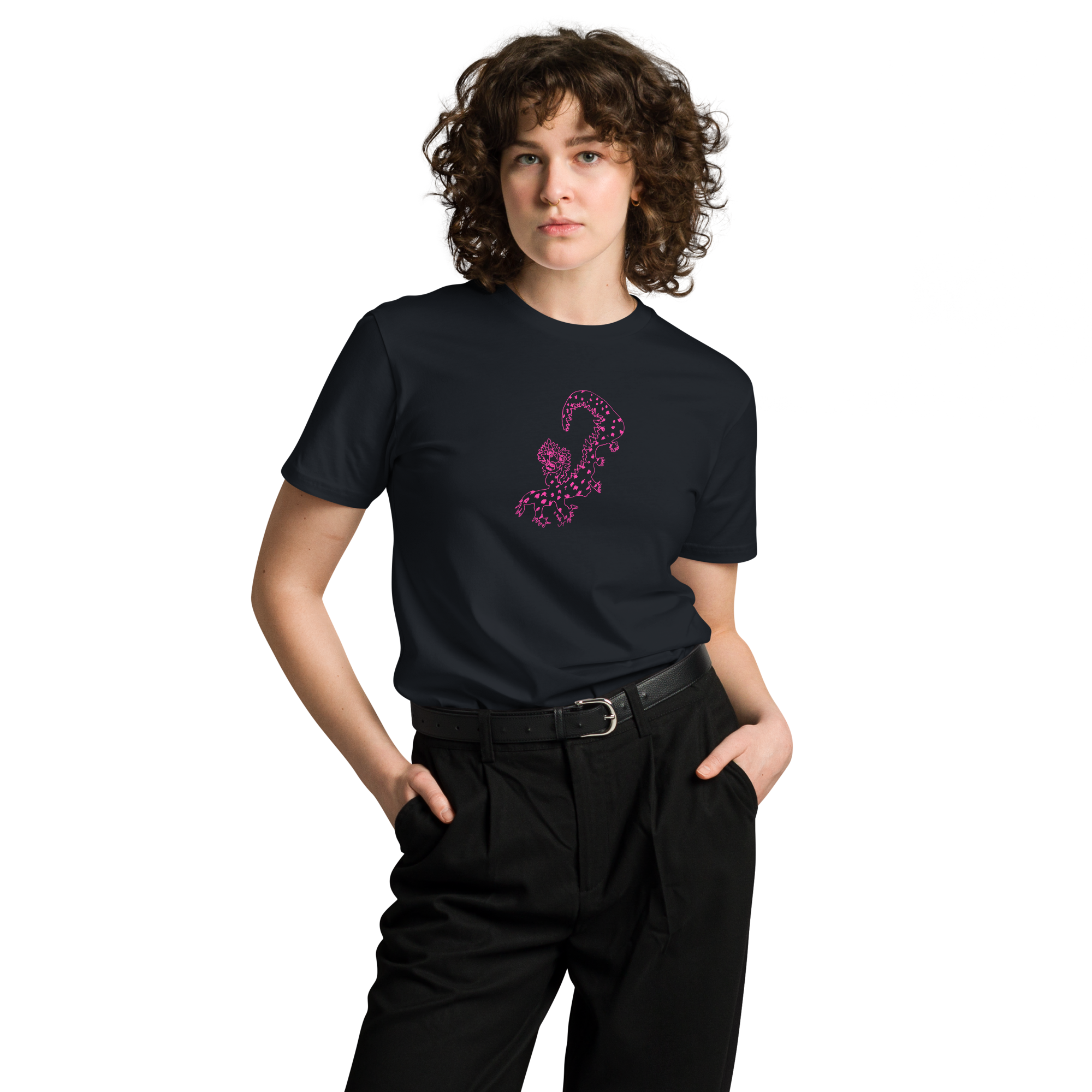
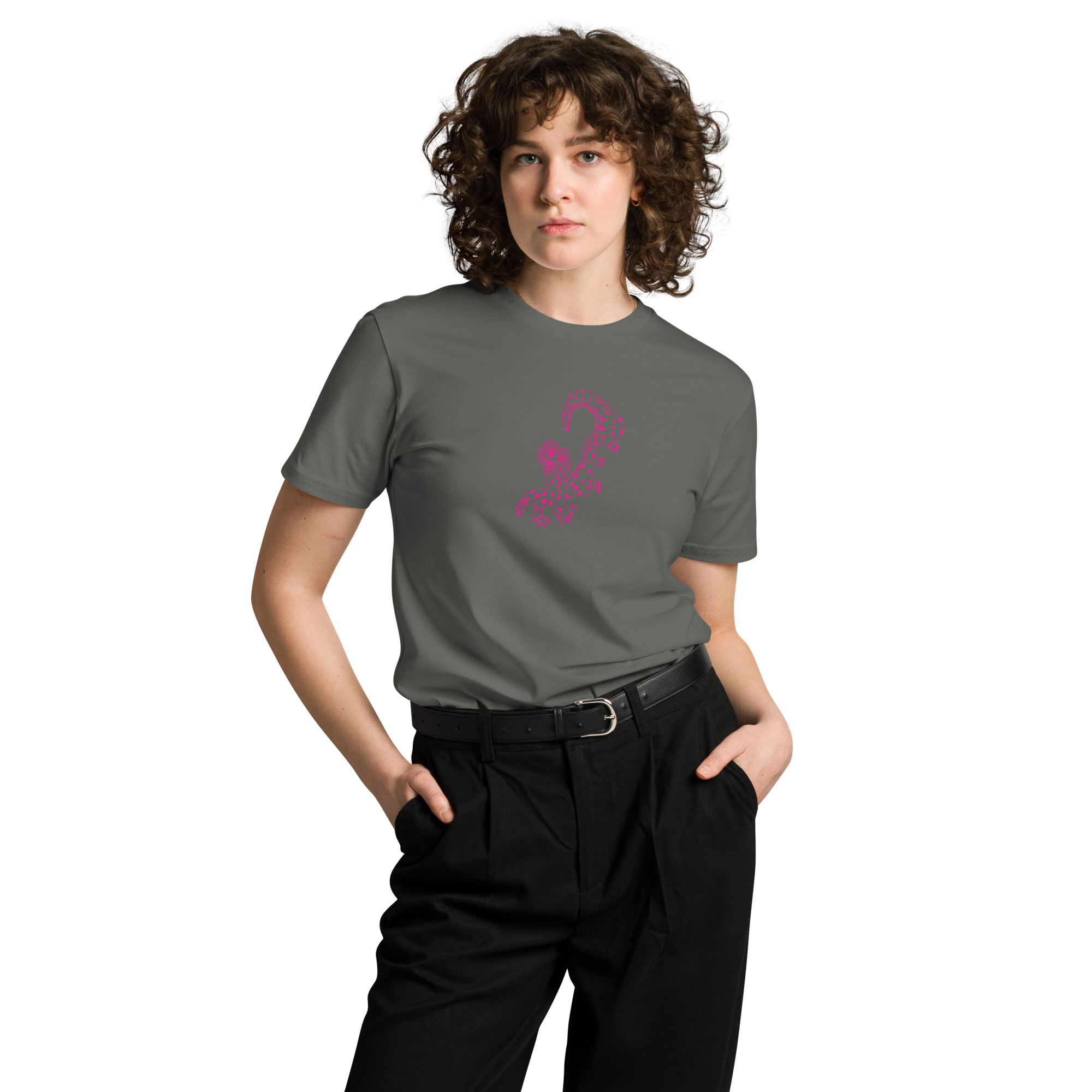
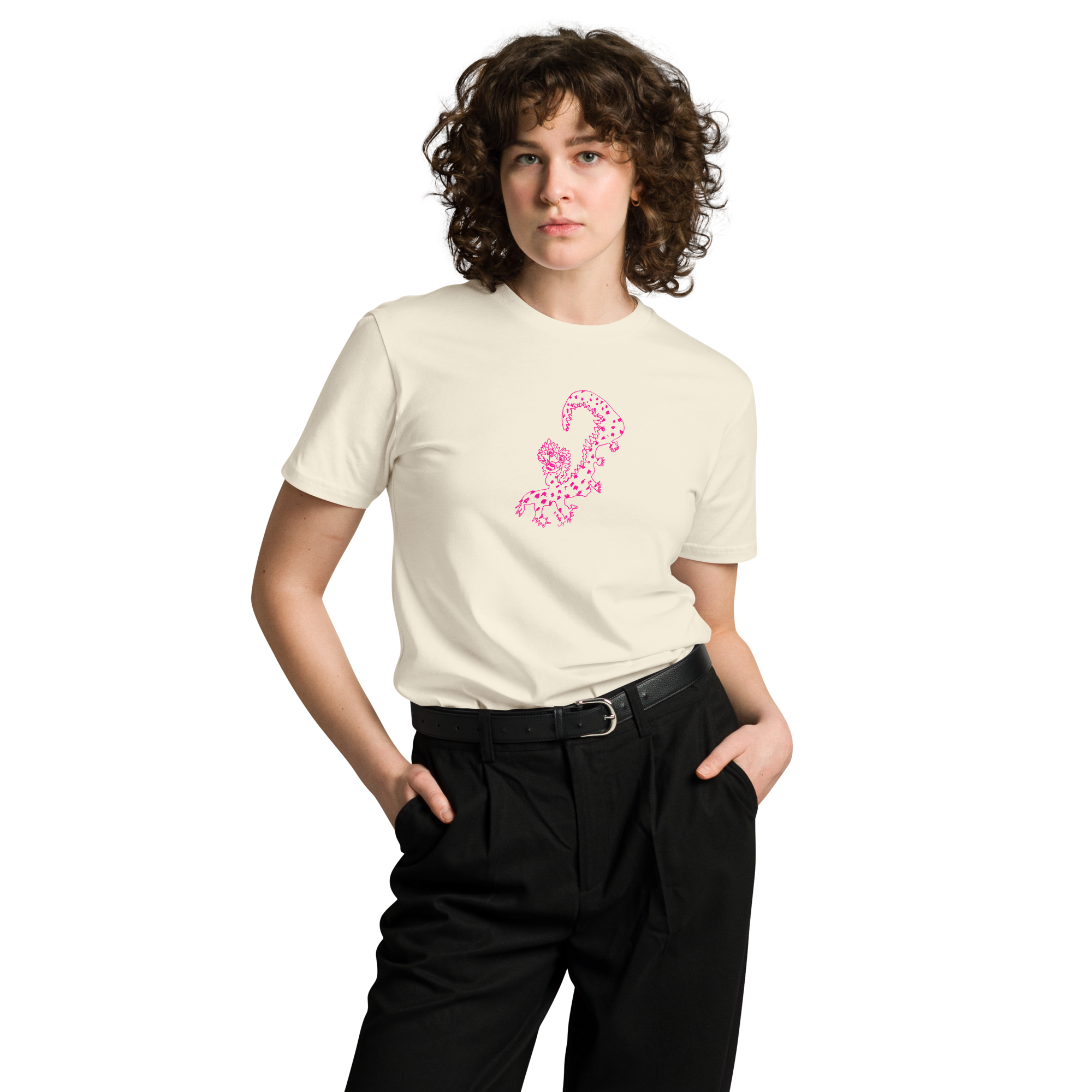
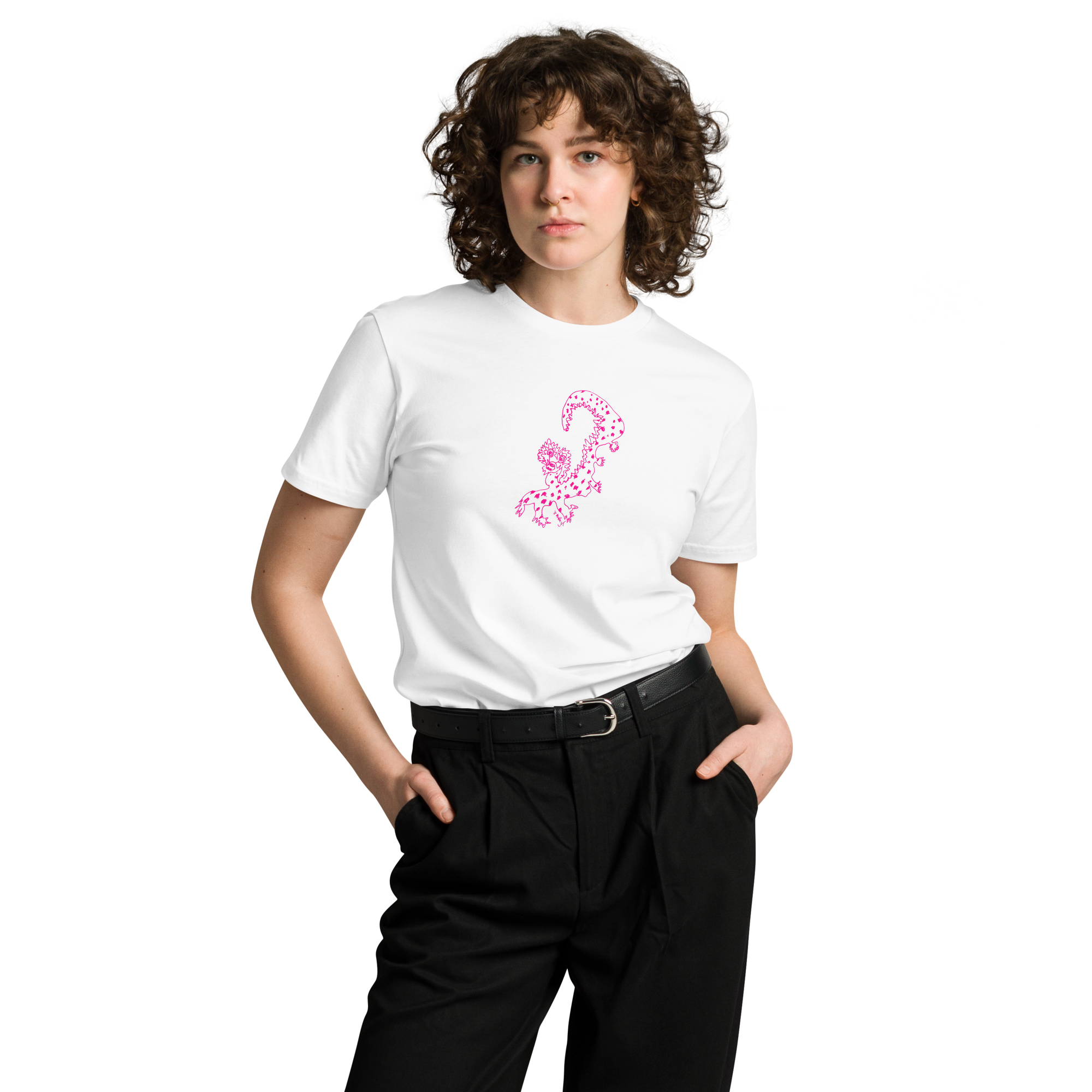
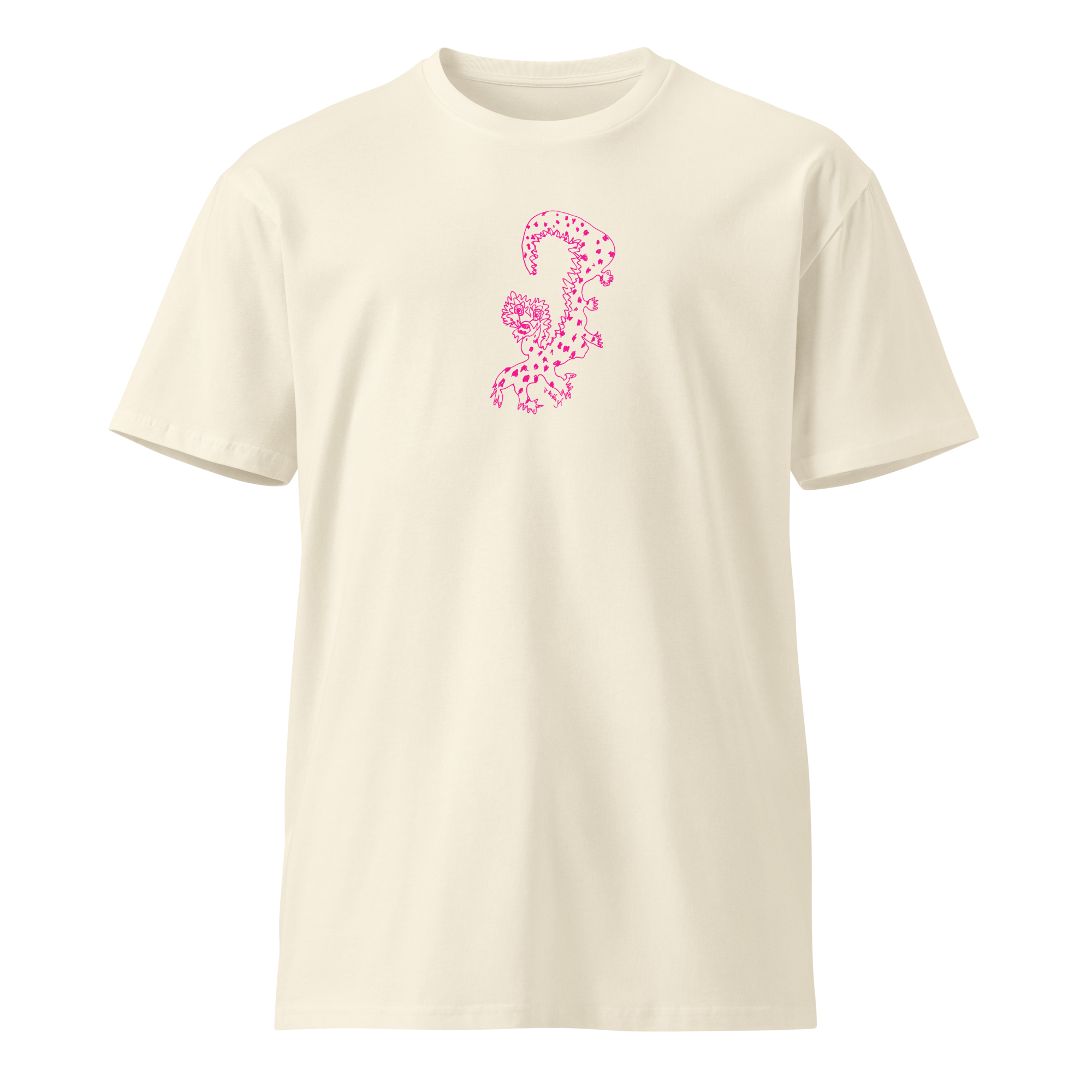
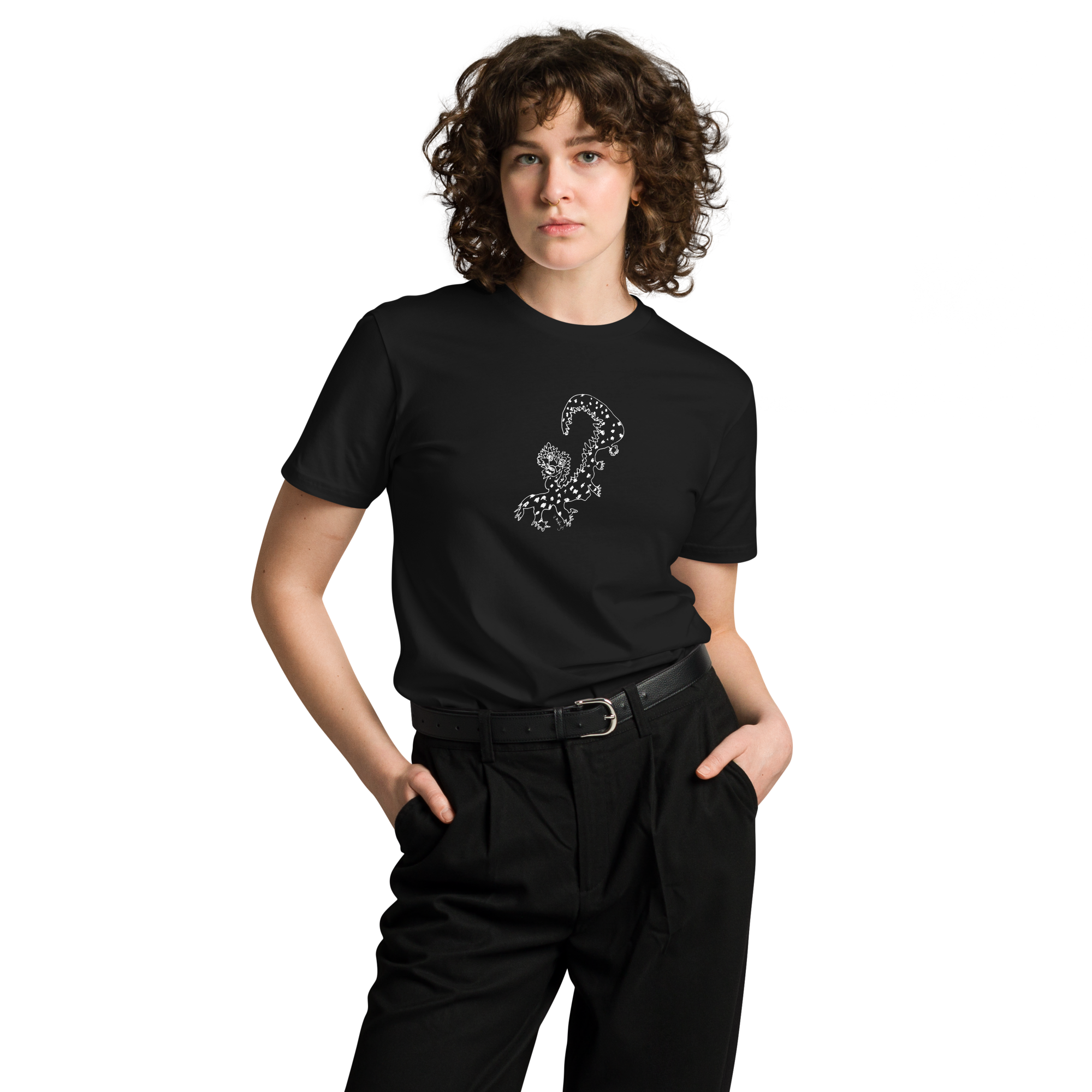
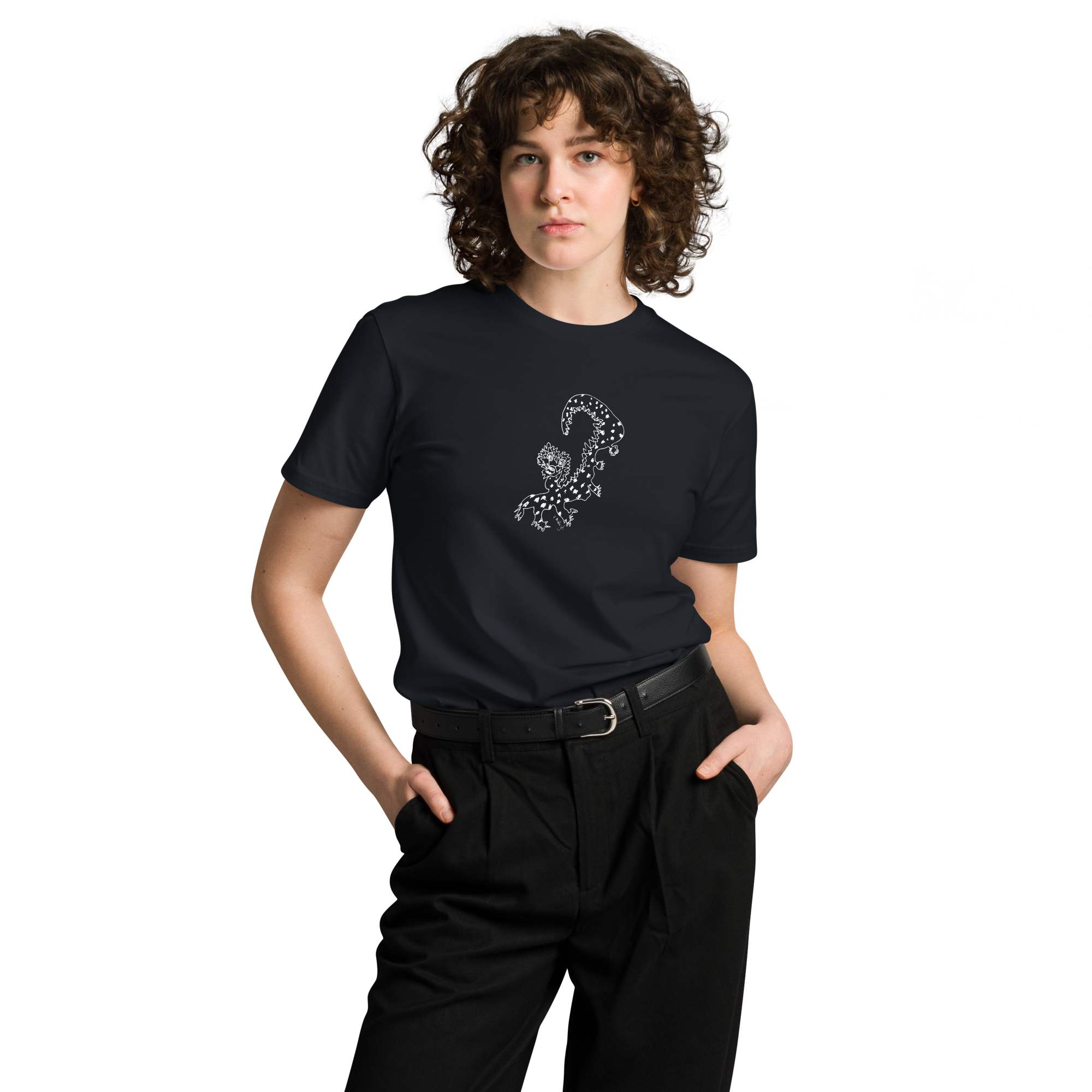
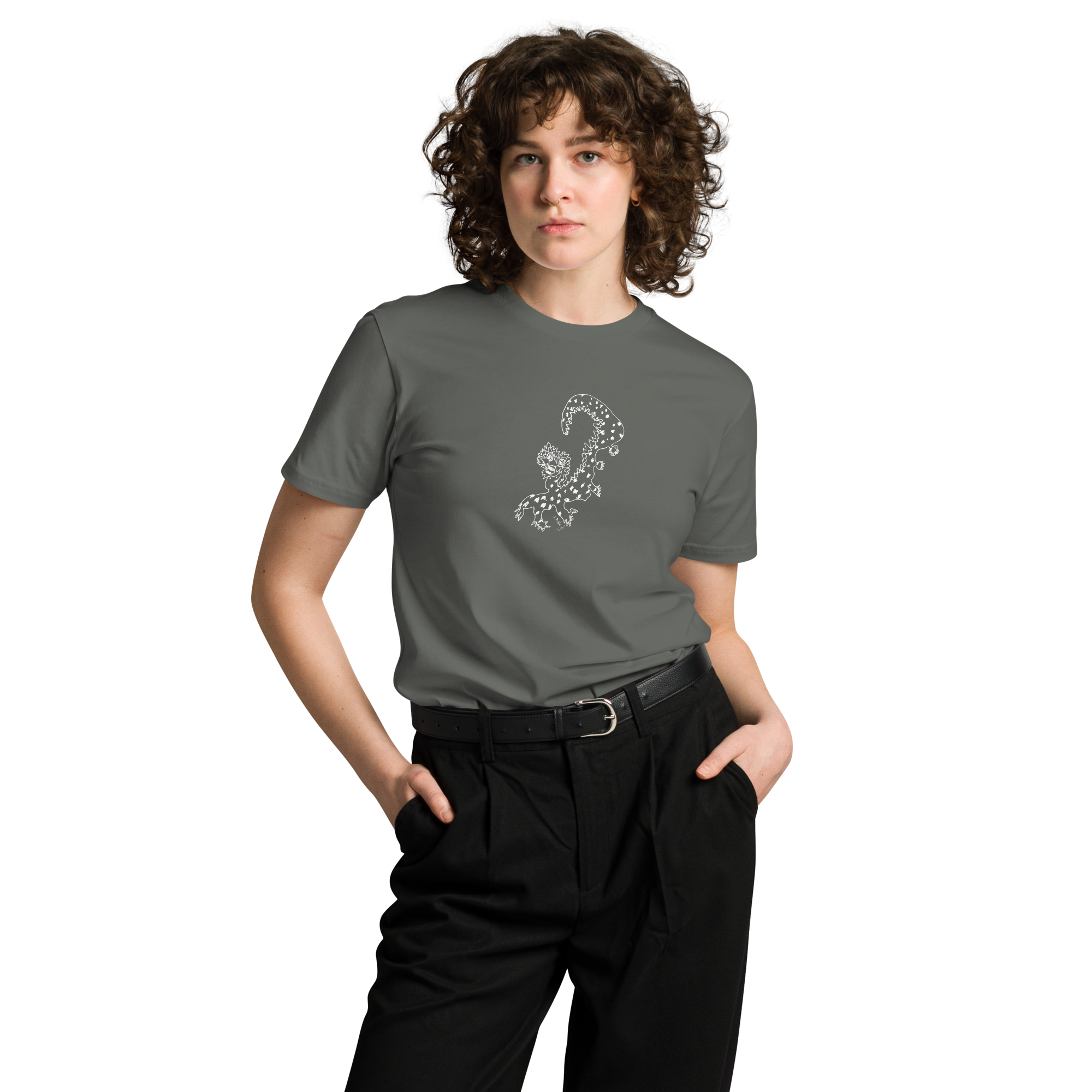
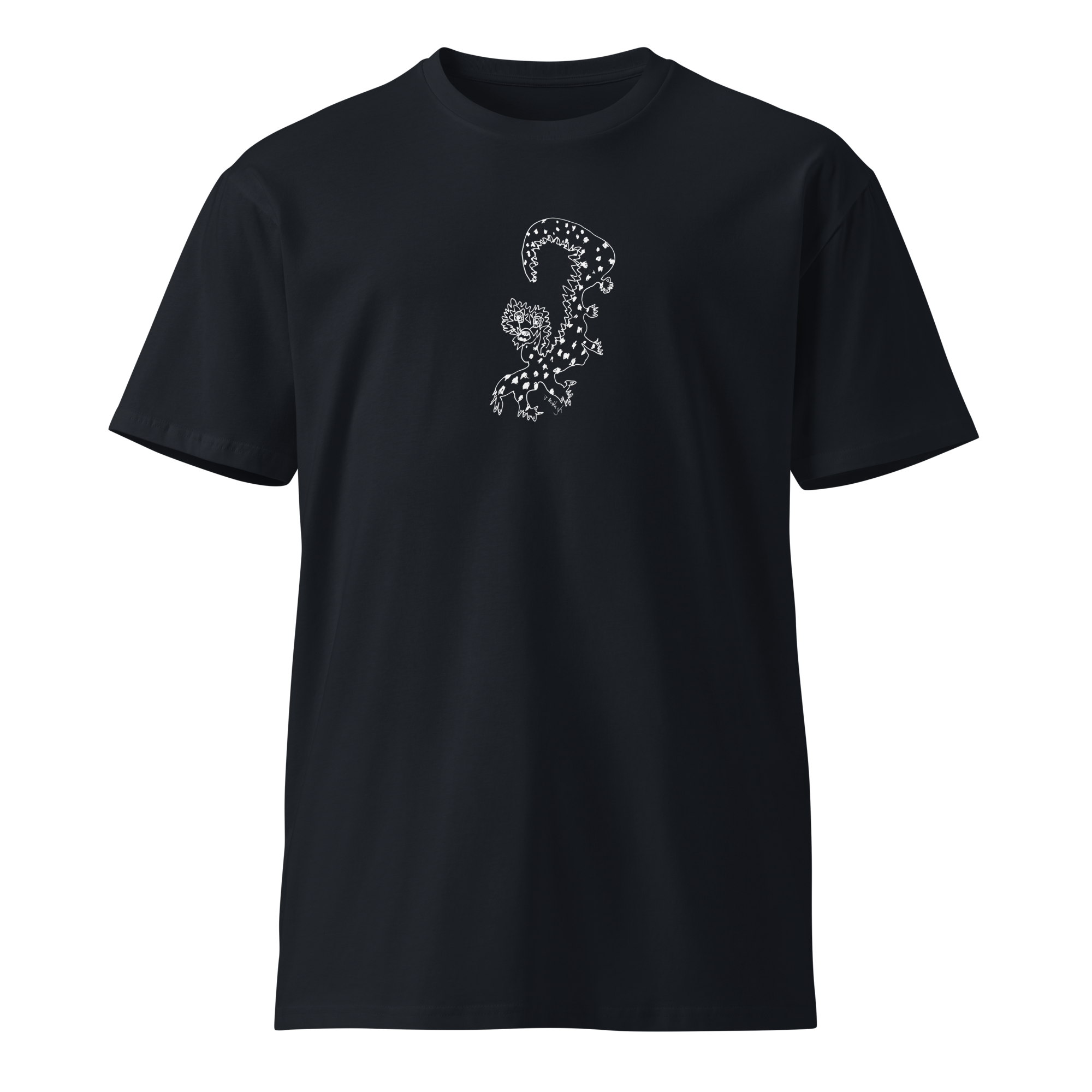
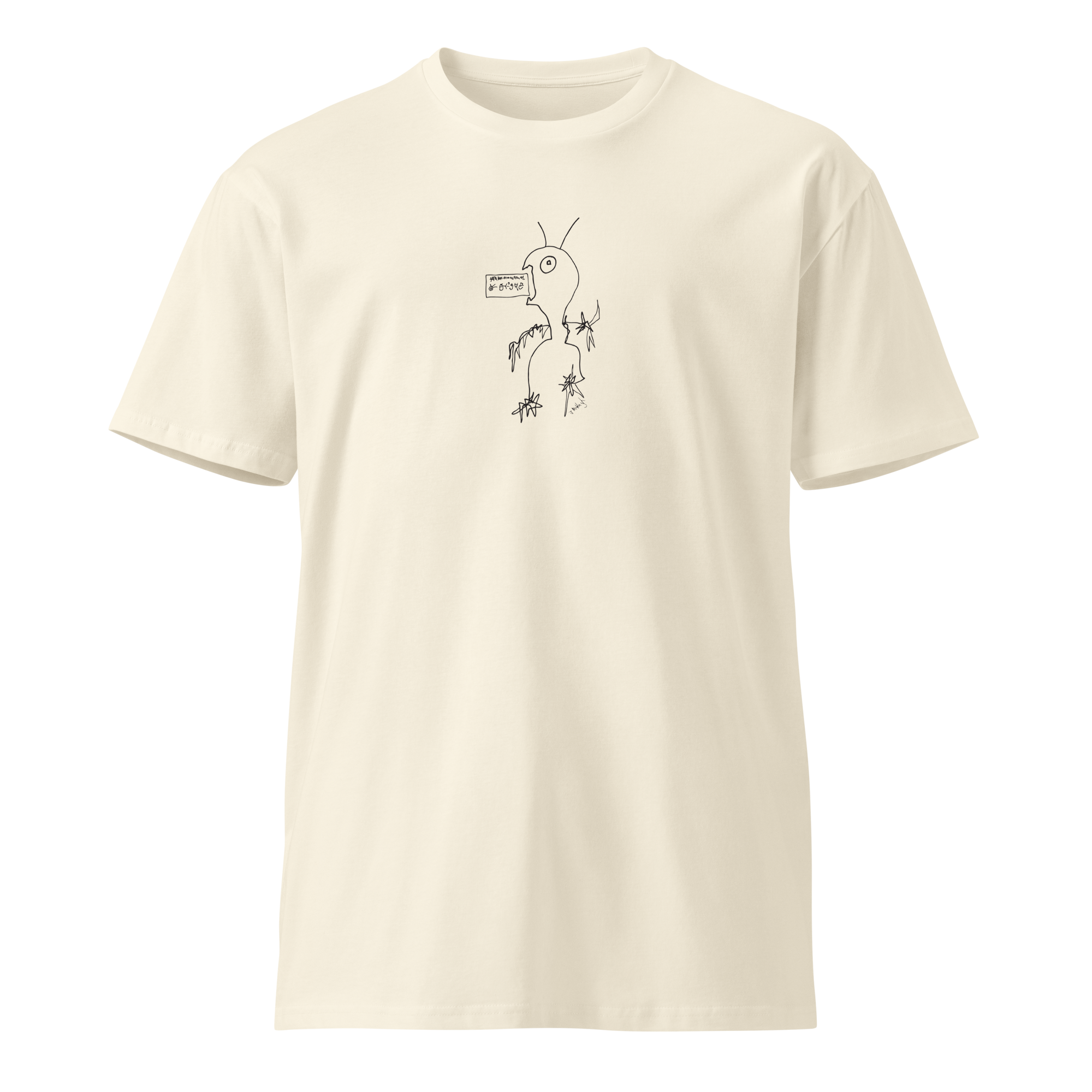
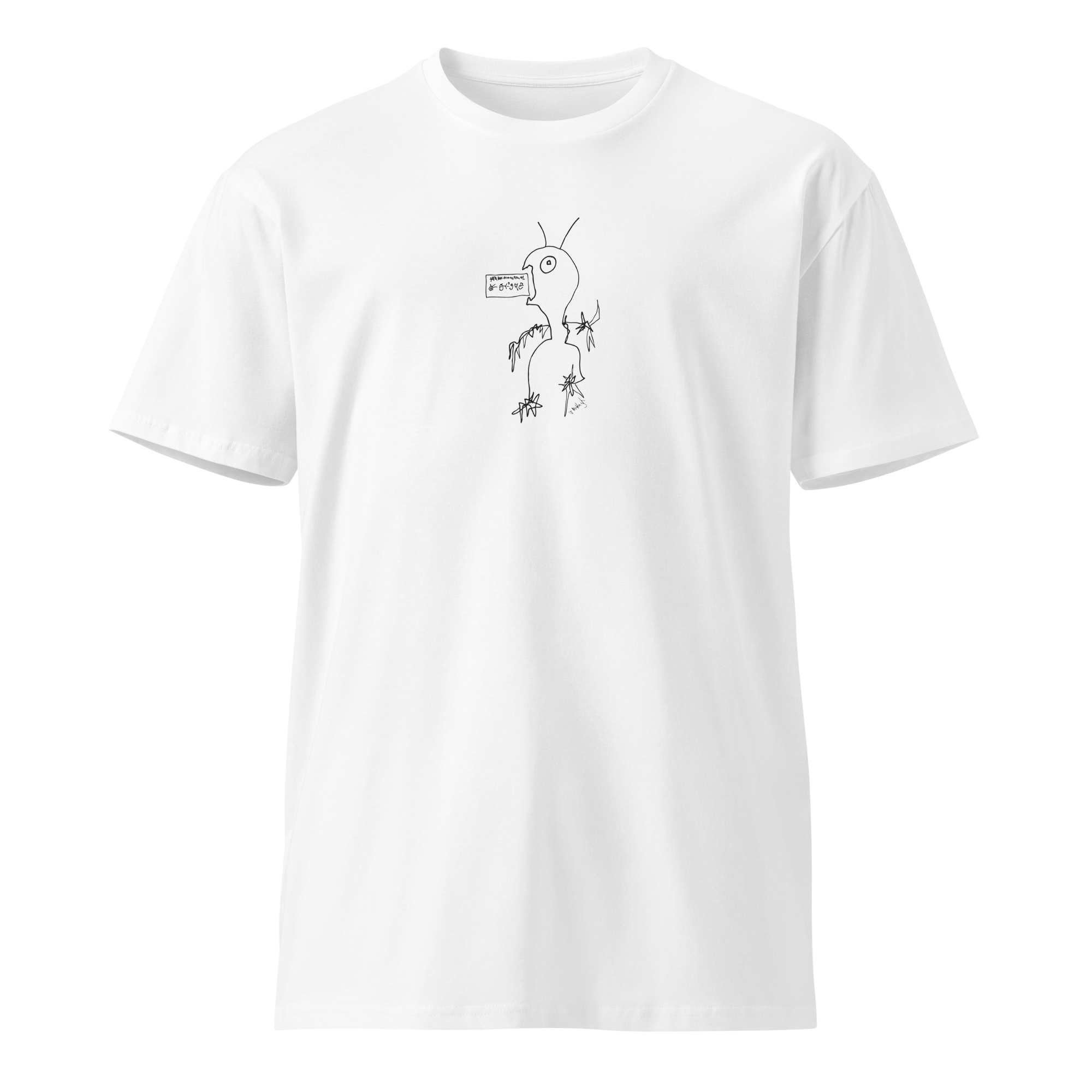
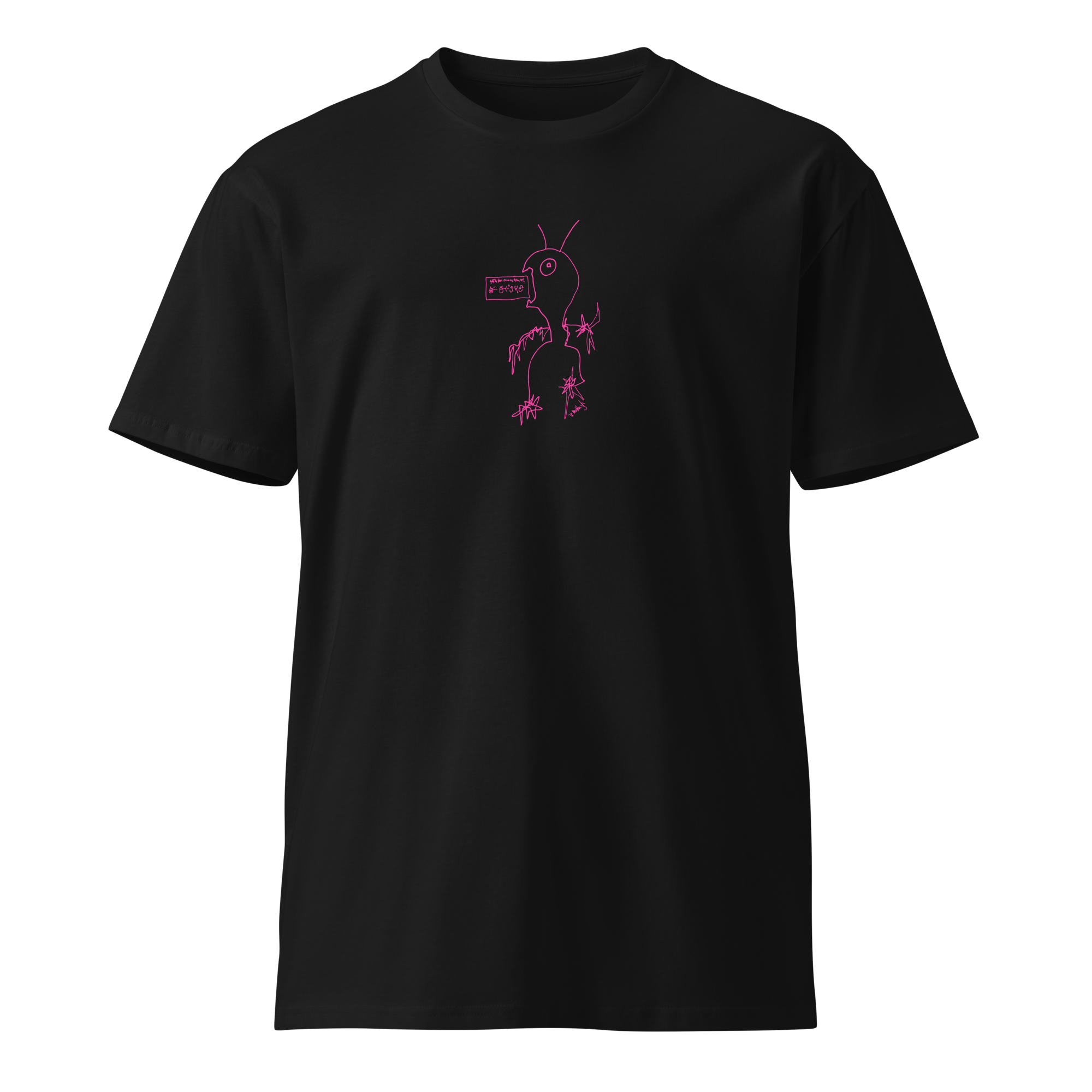
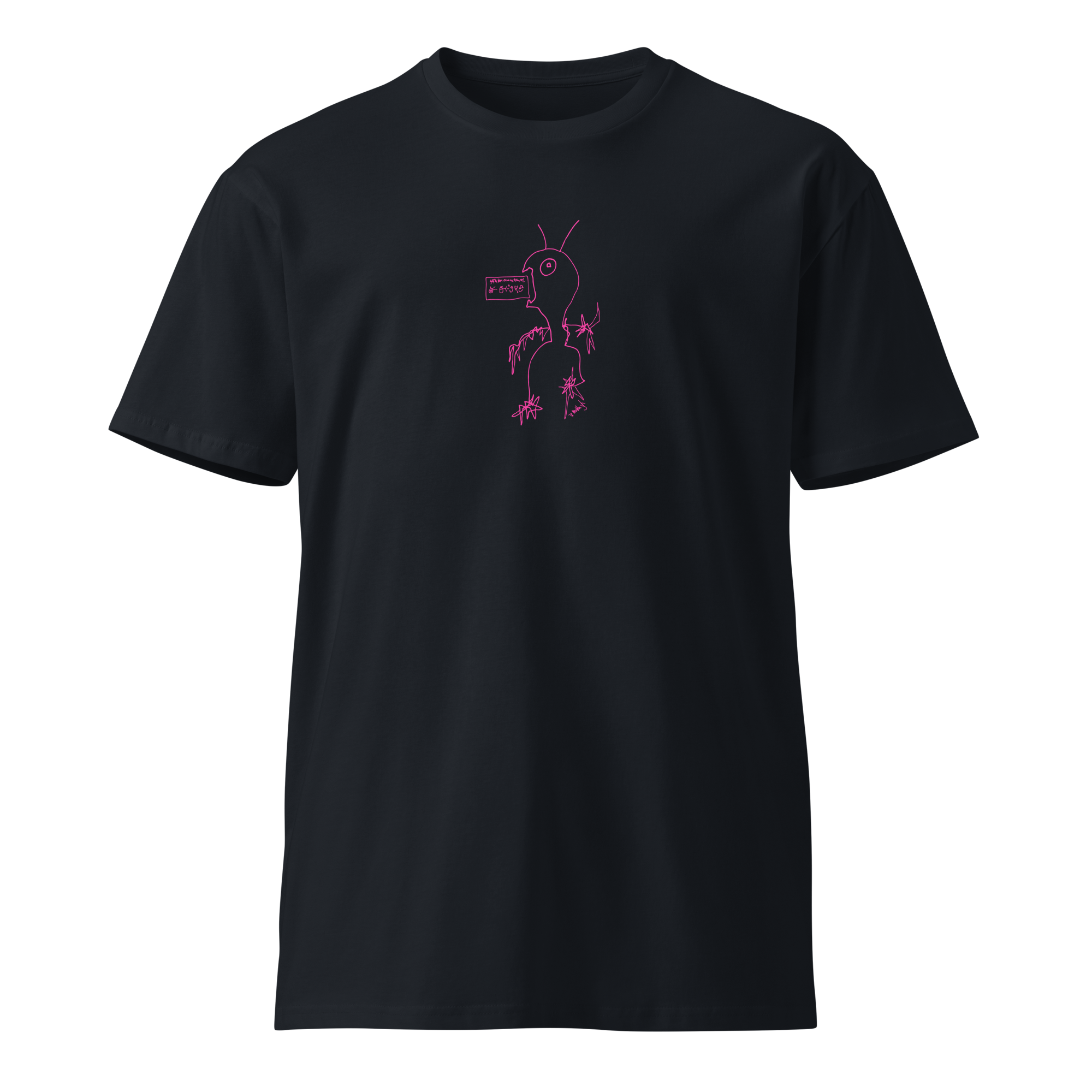
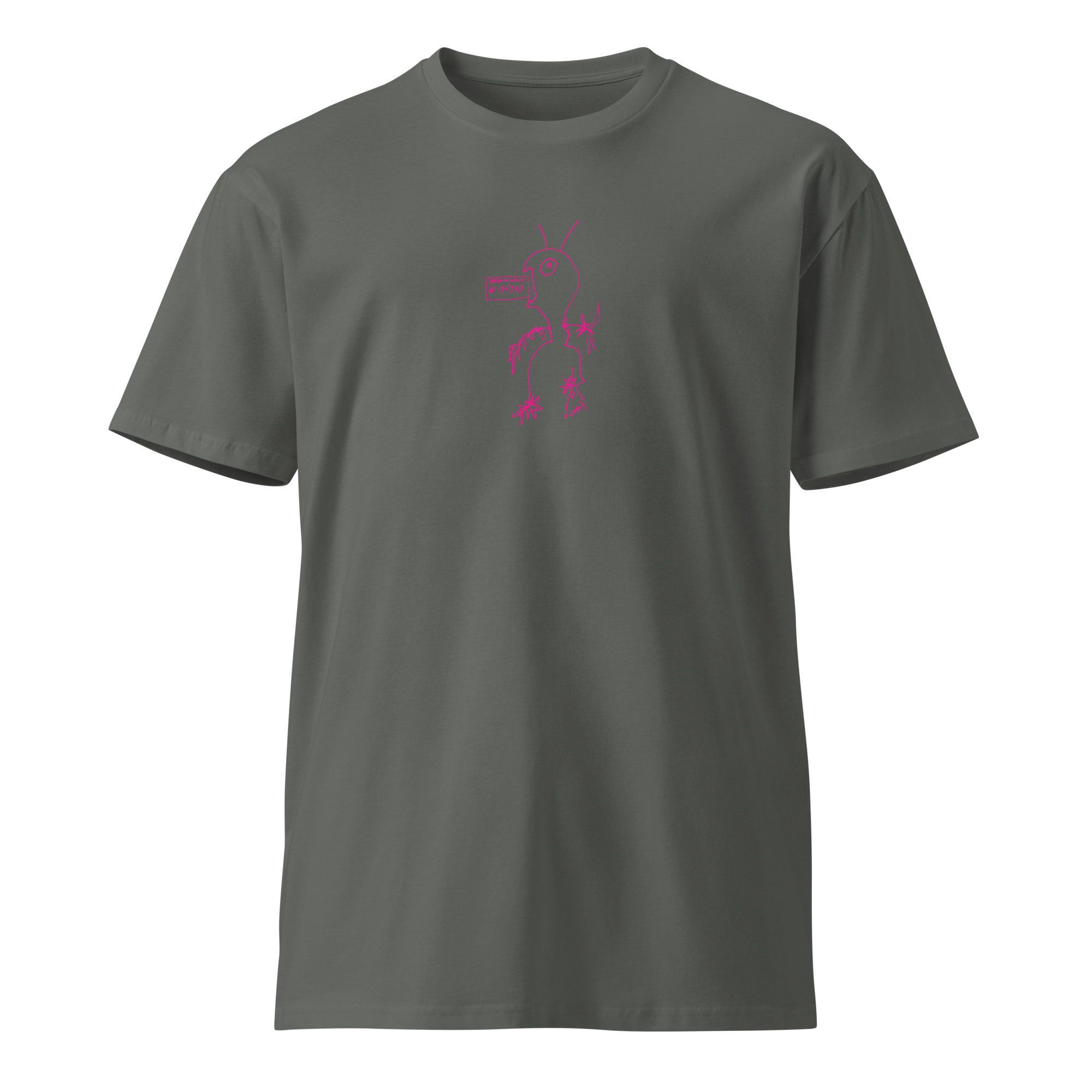
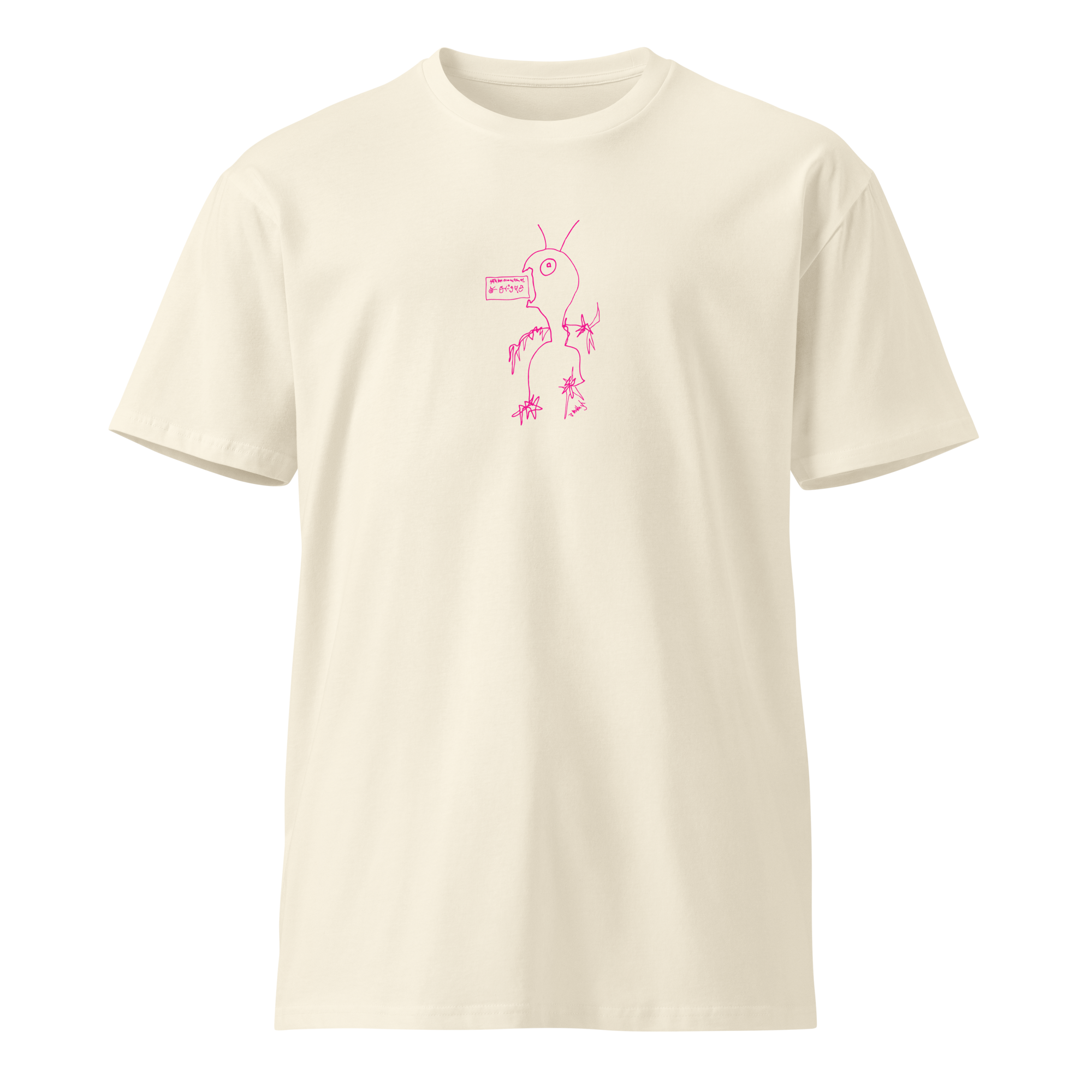
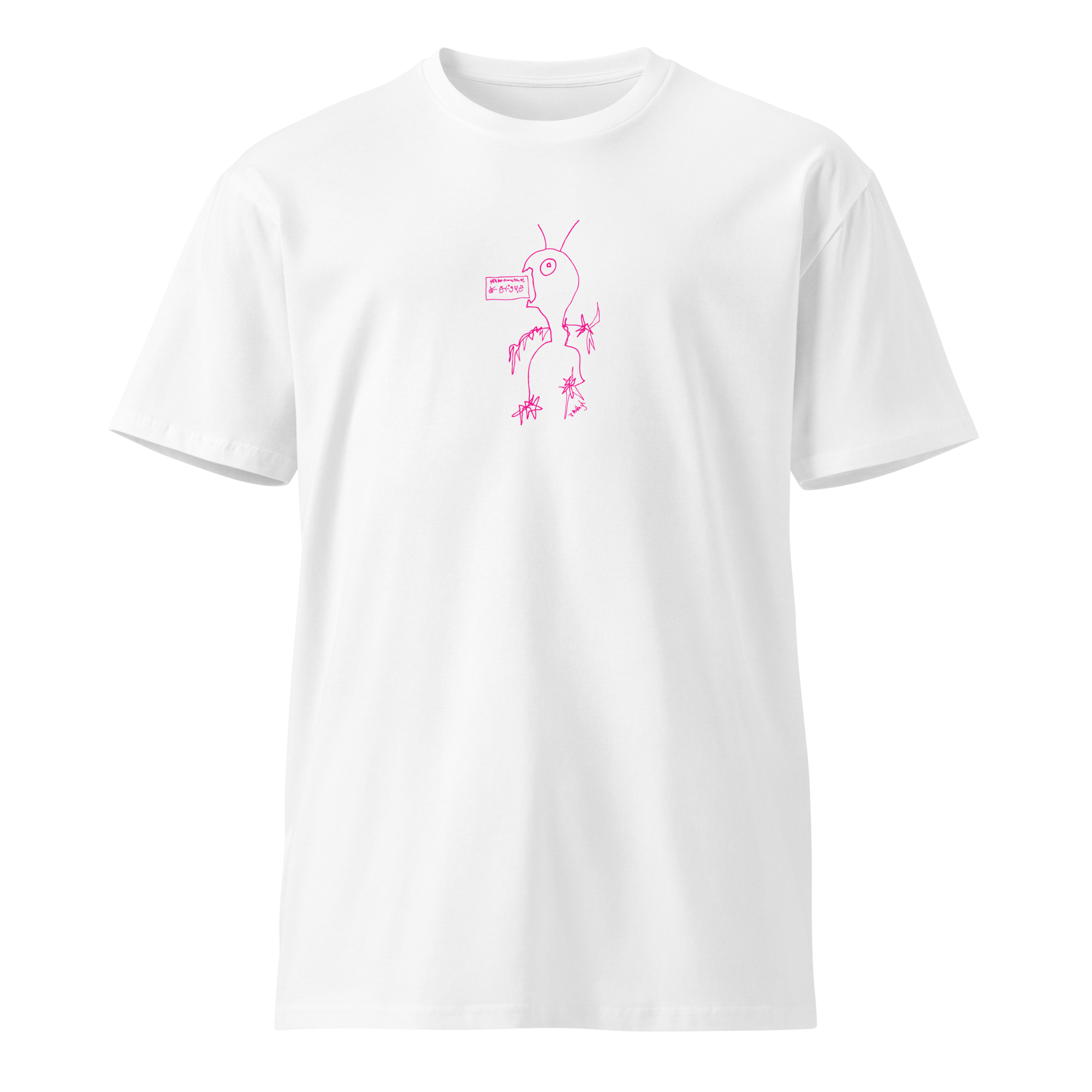
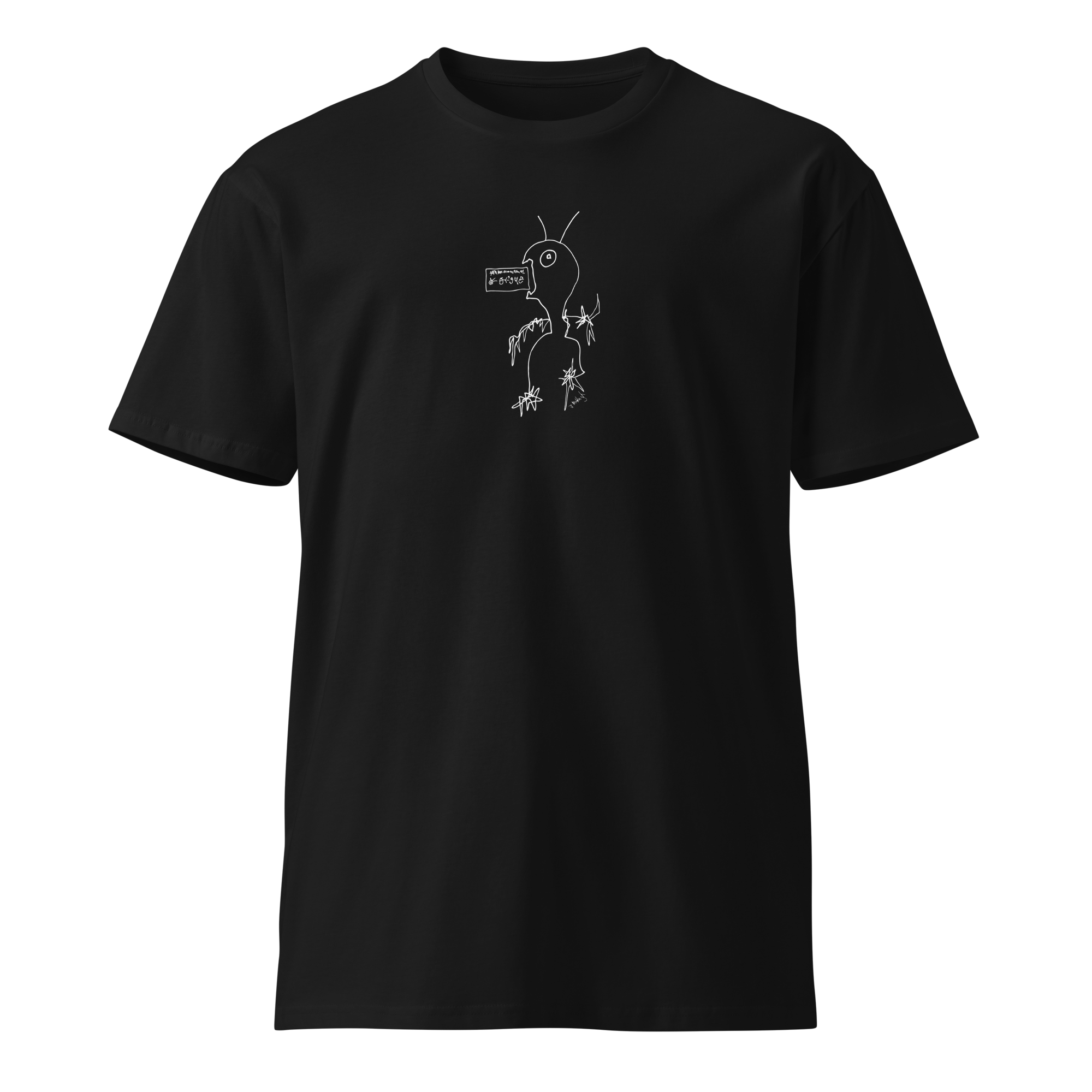
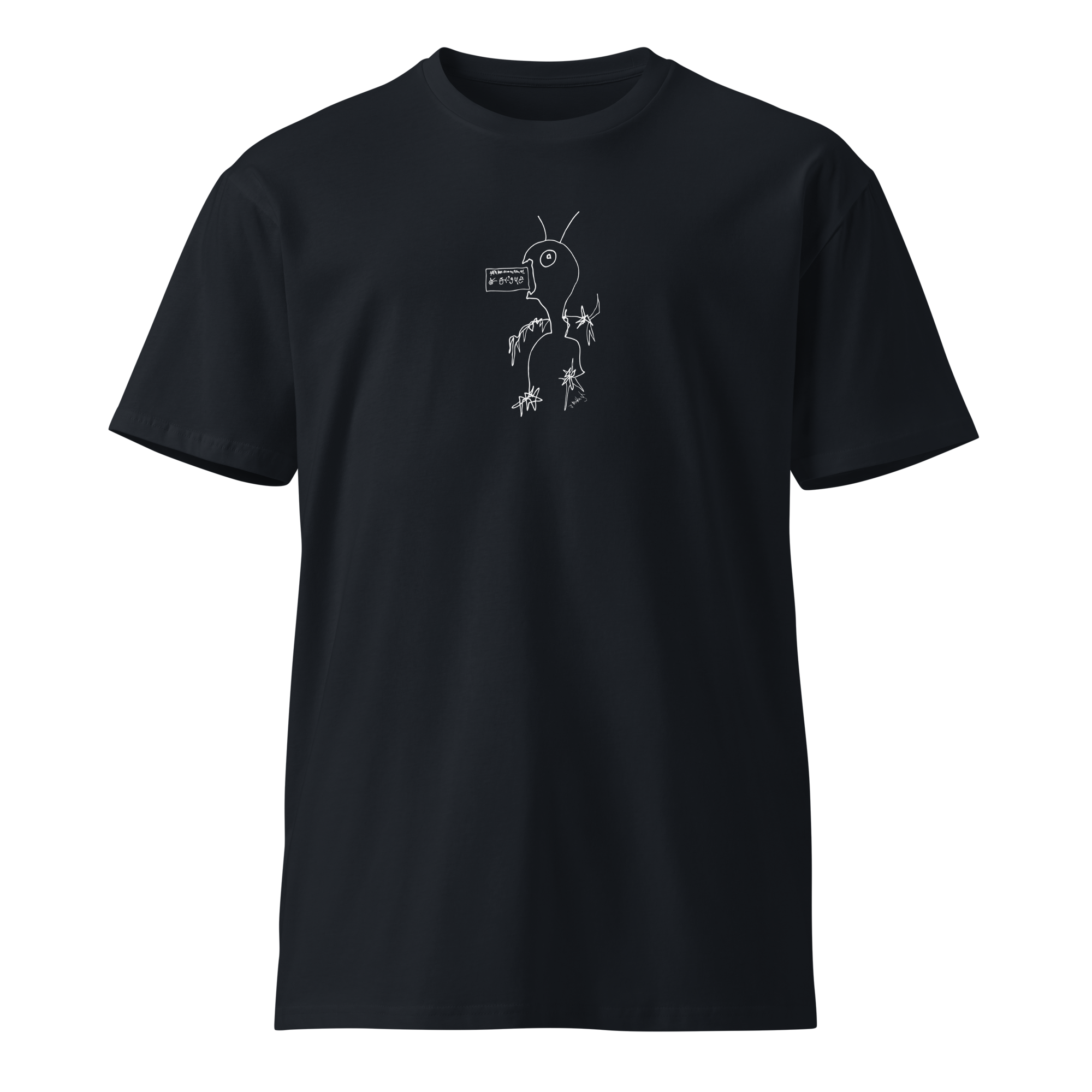
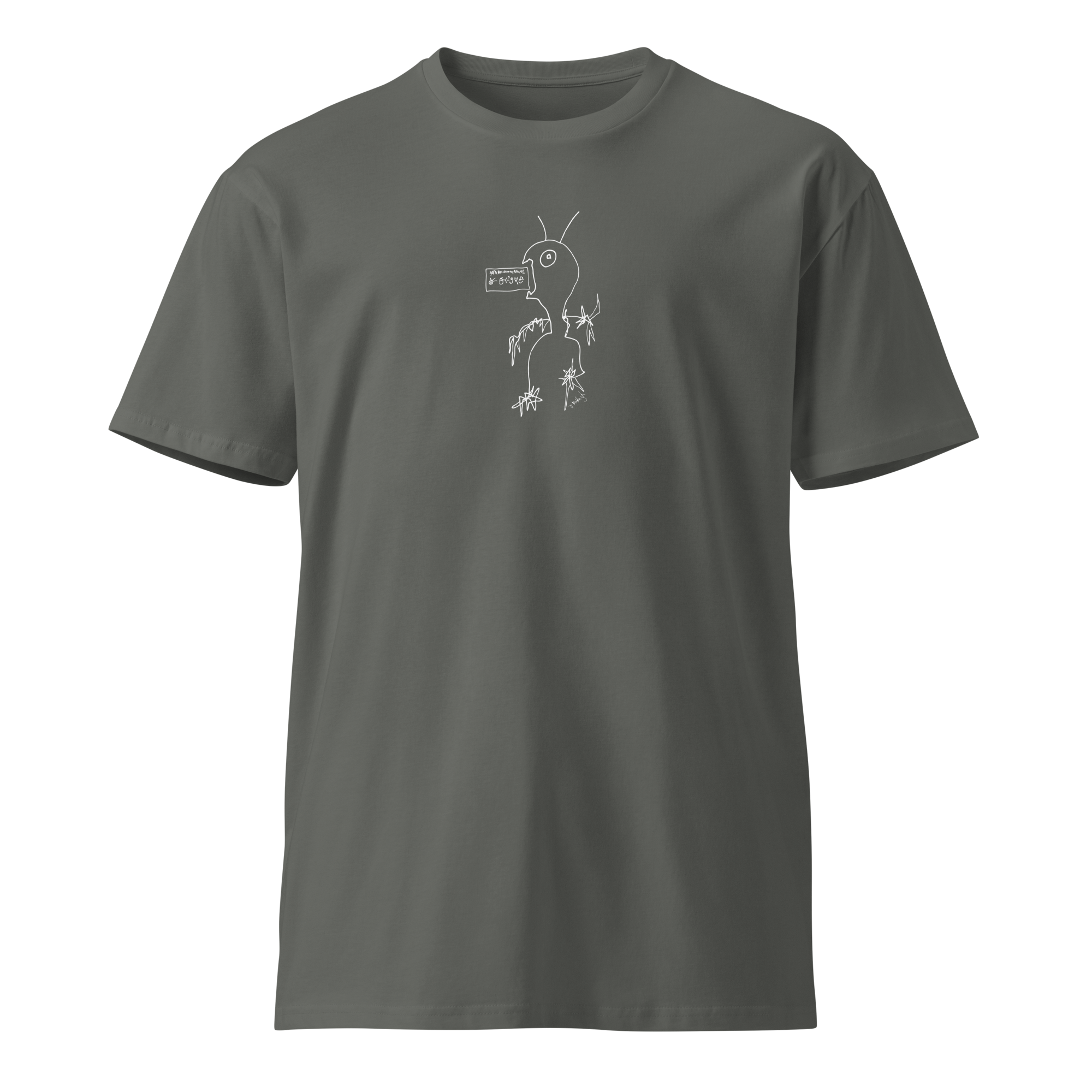
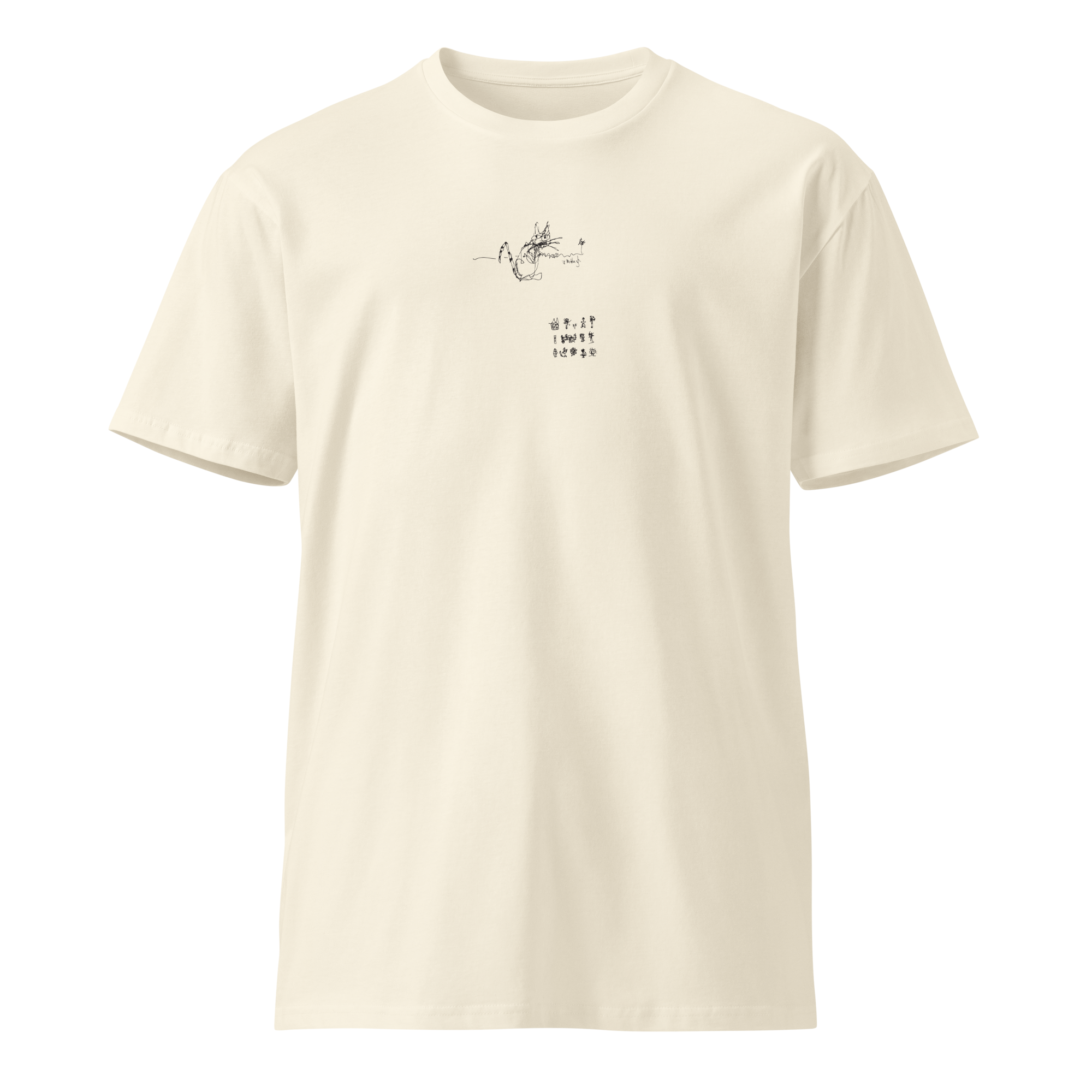
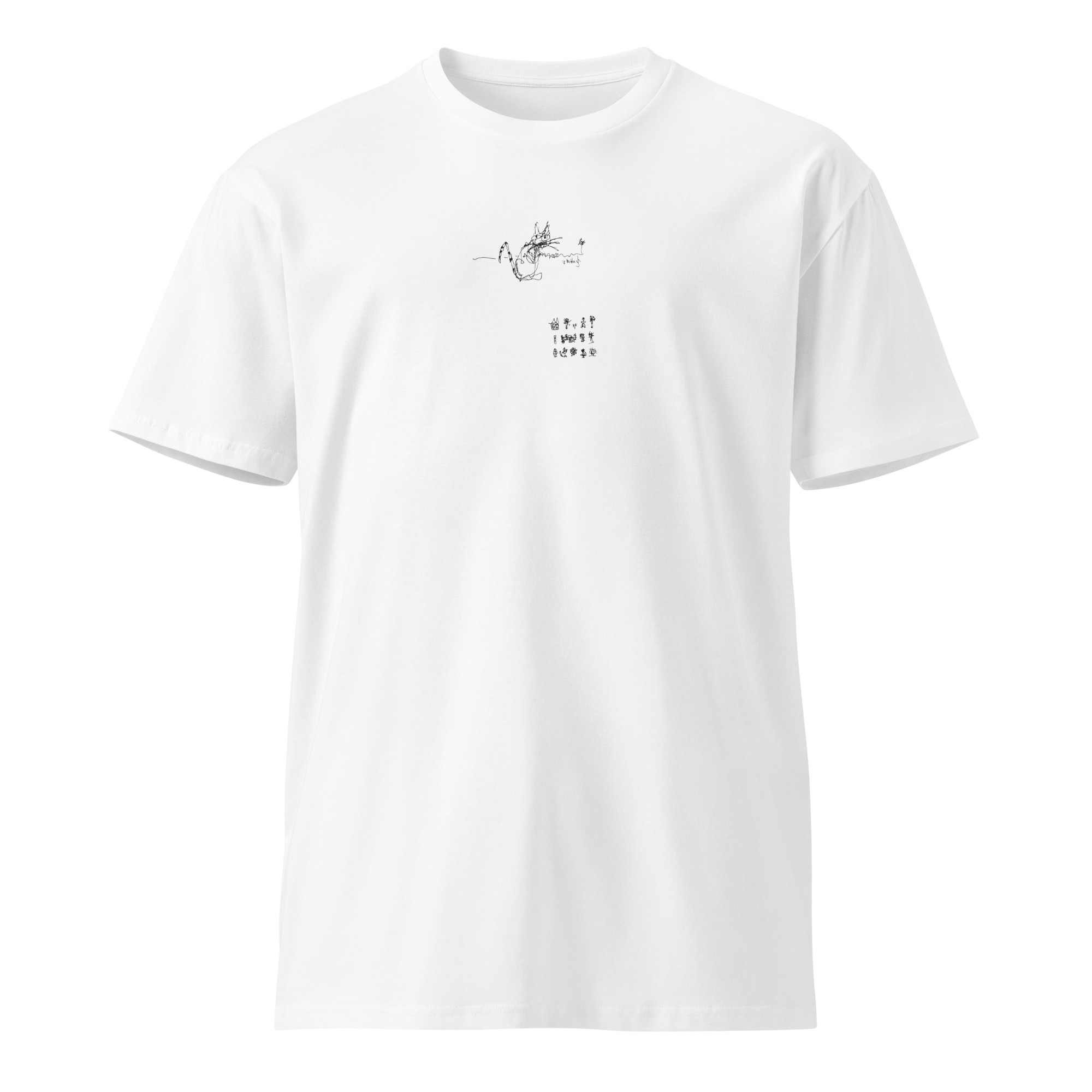
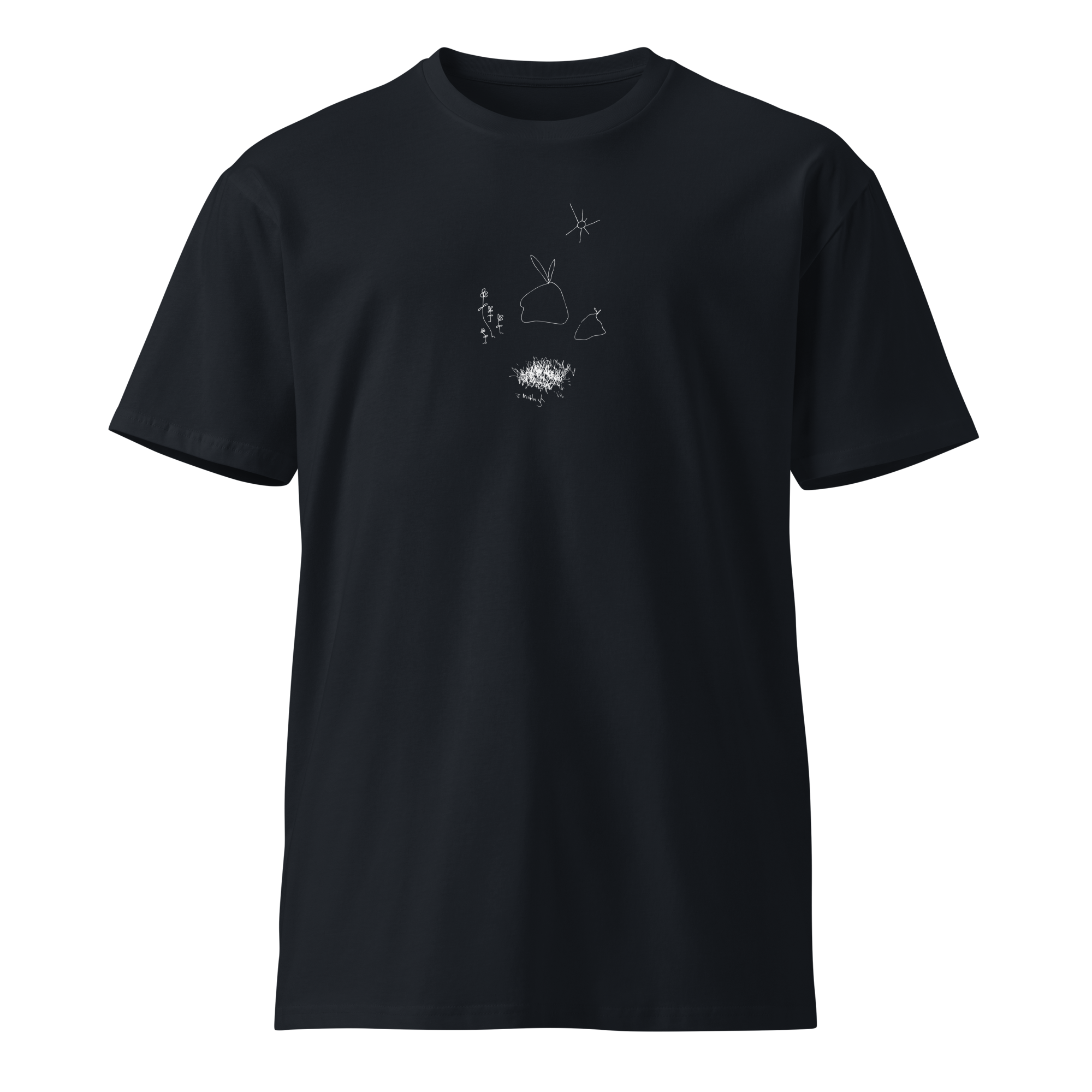
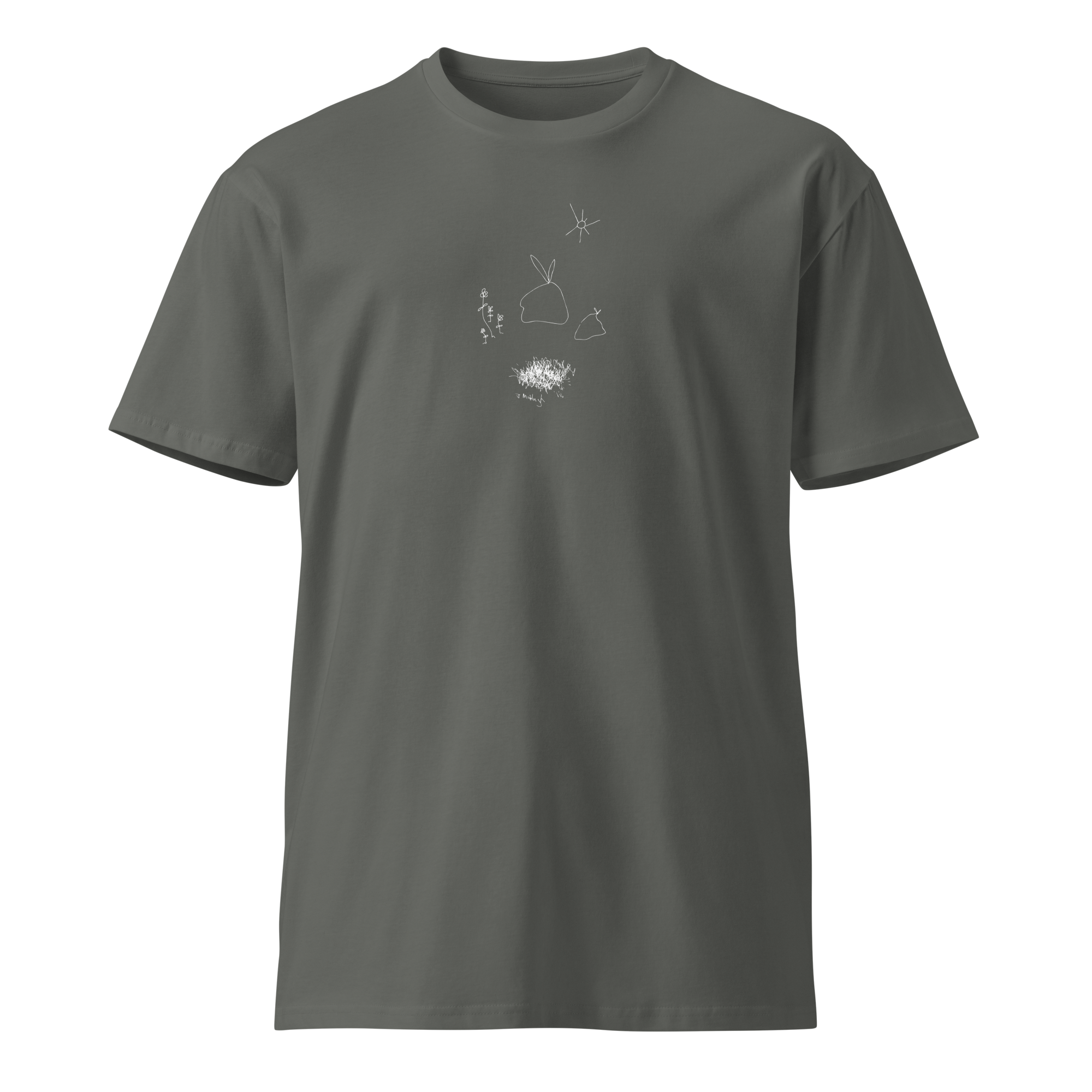
A moment of pause for the cat and the bird, hovering above meaningful symbols.
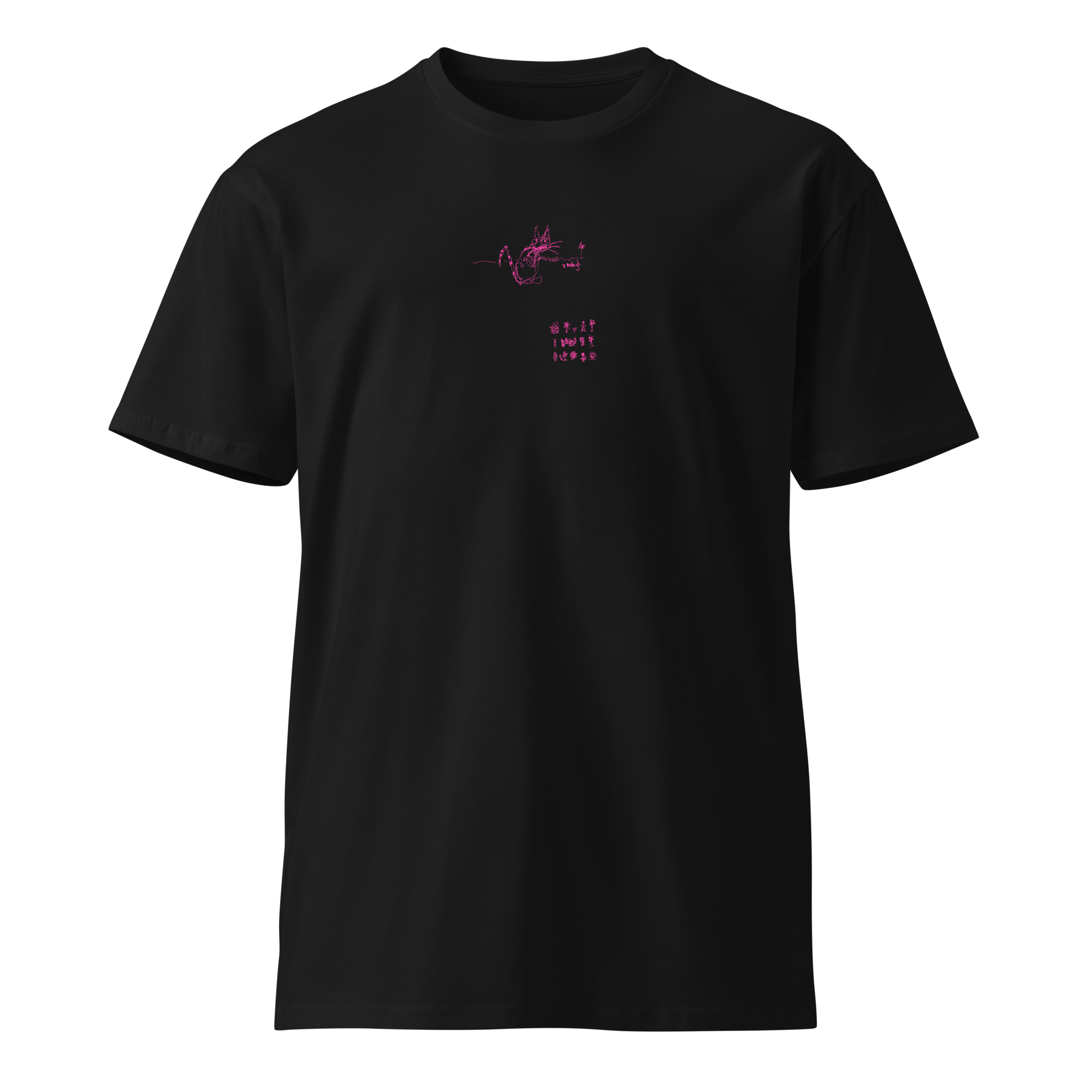
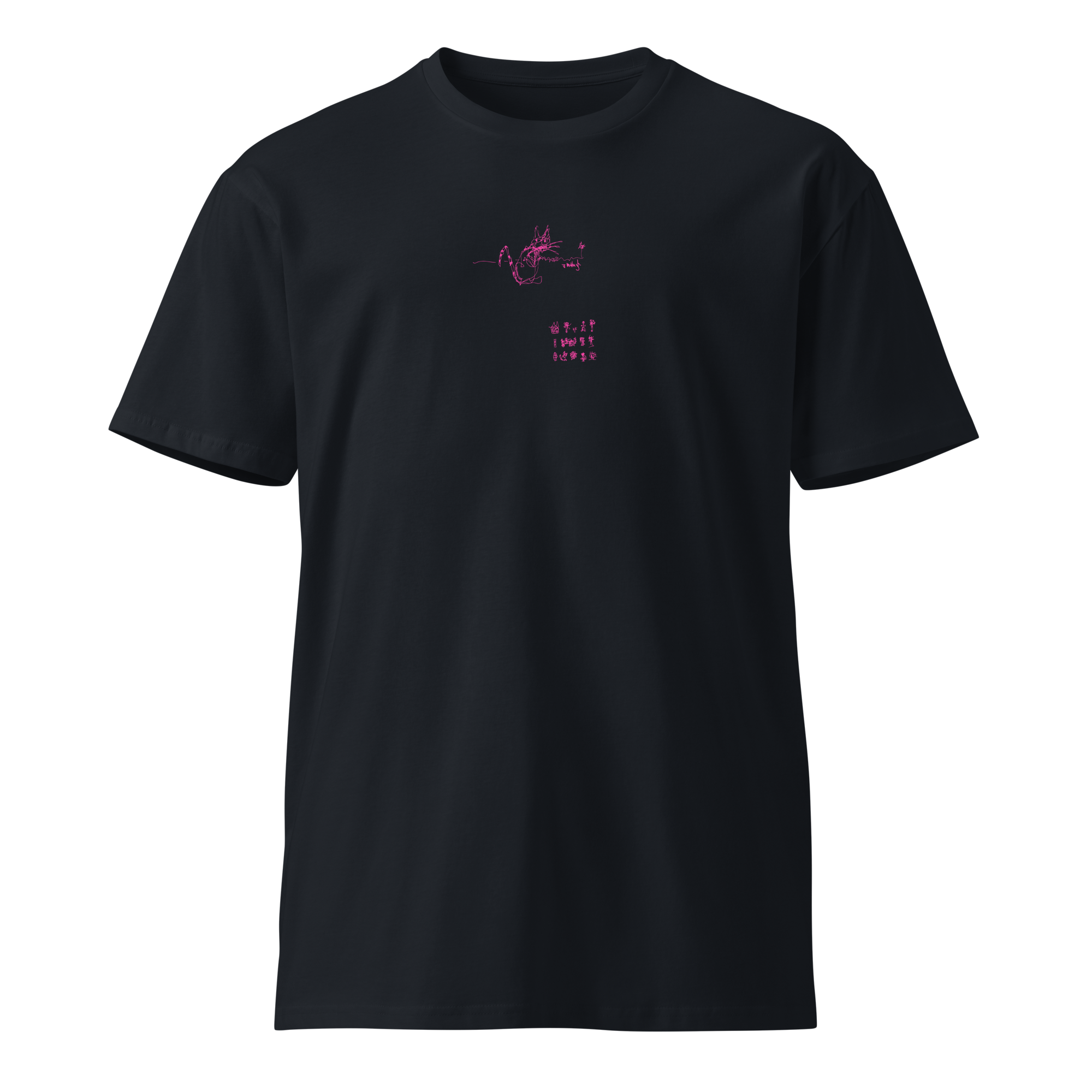
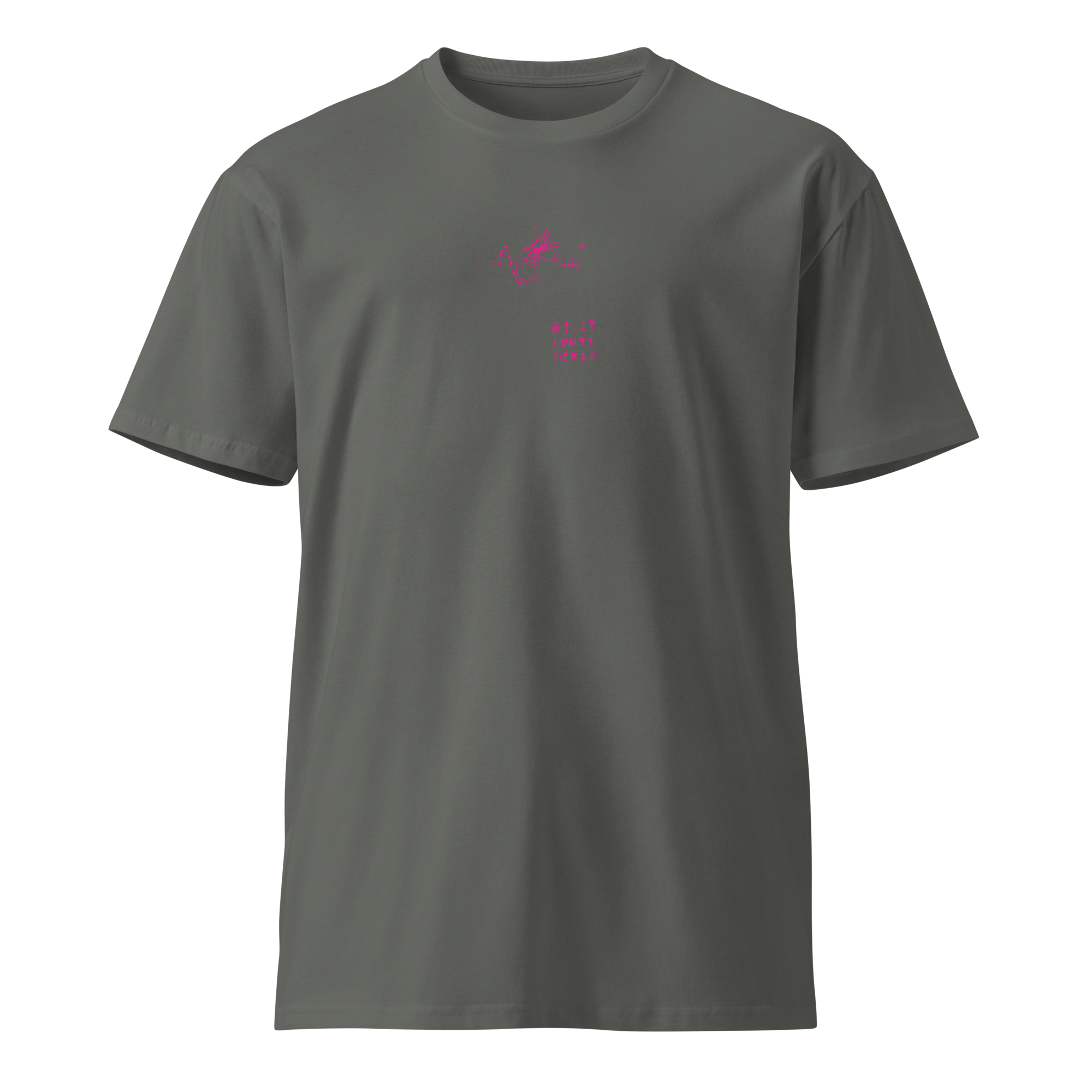
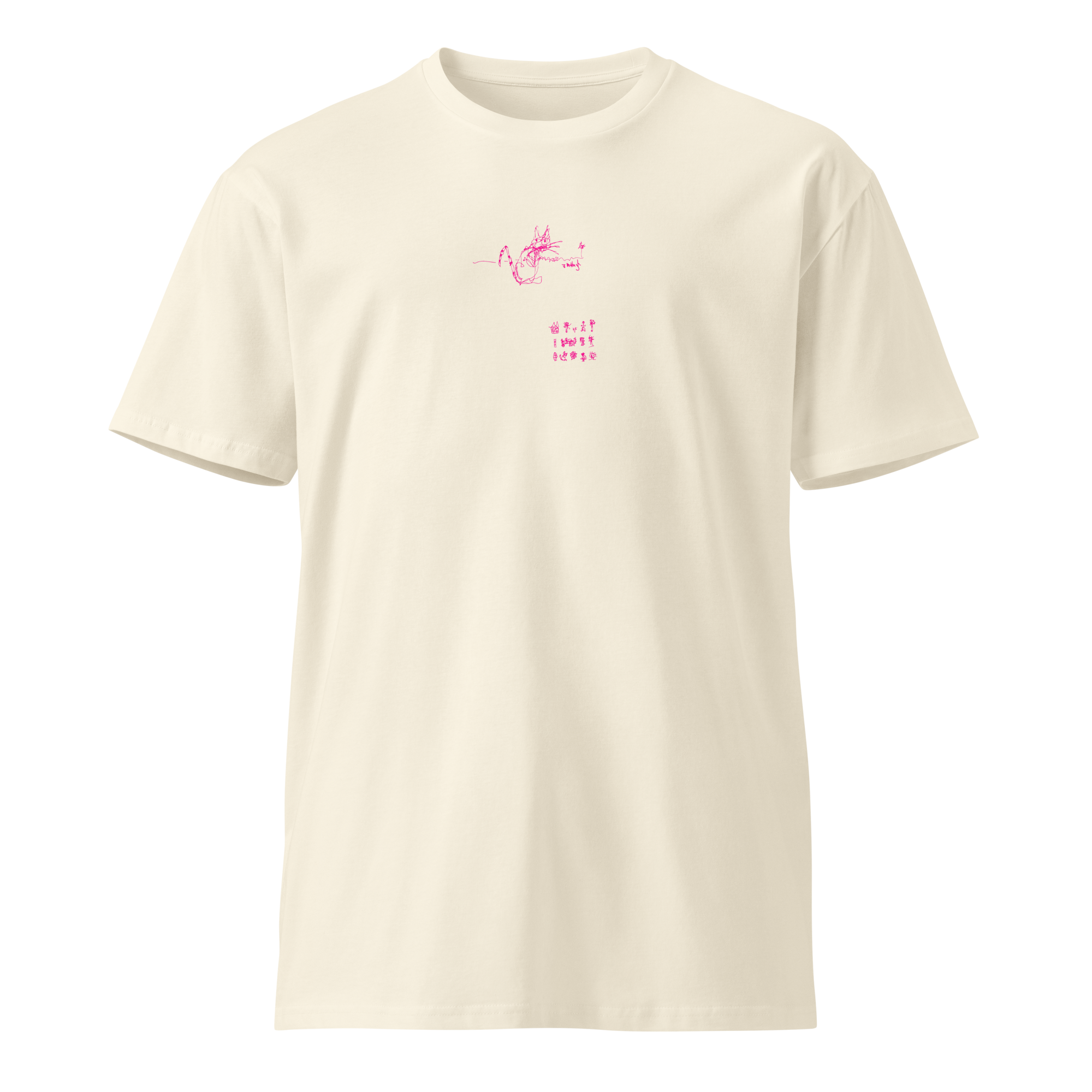
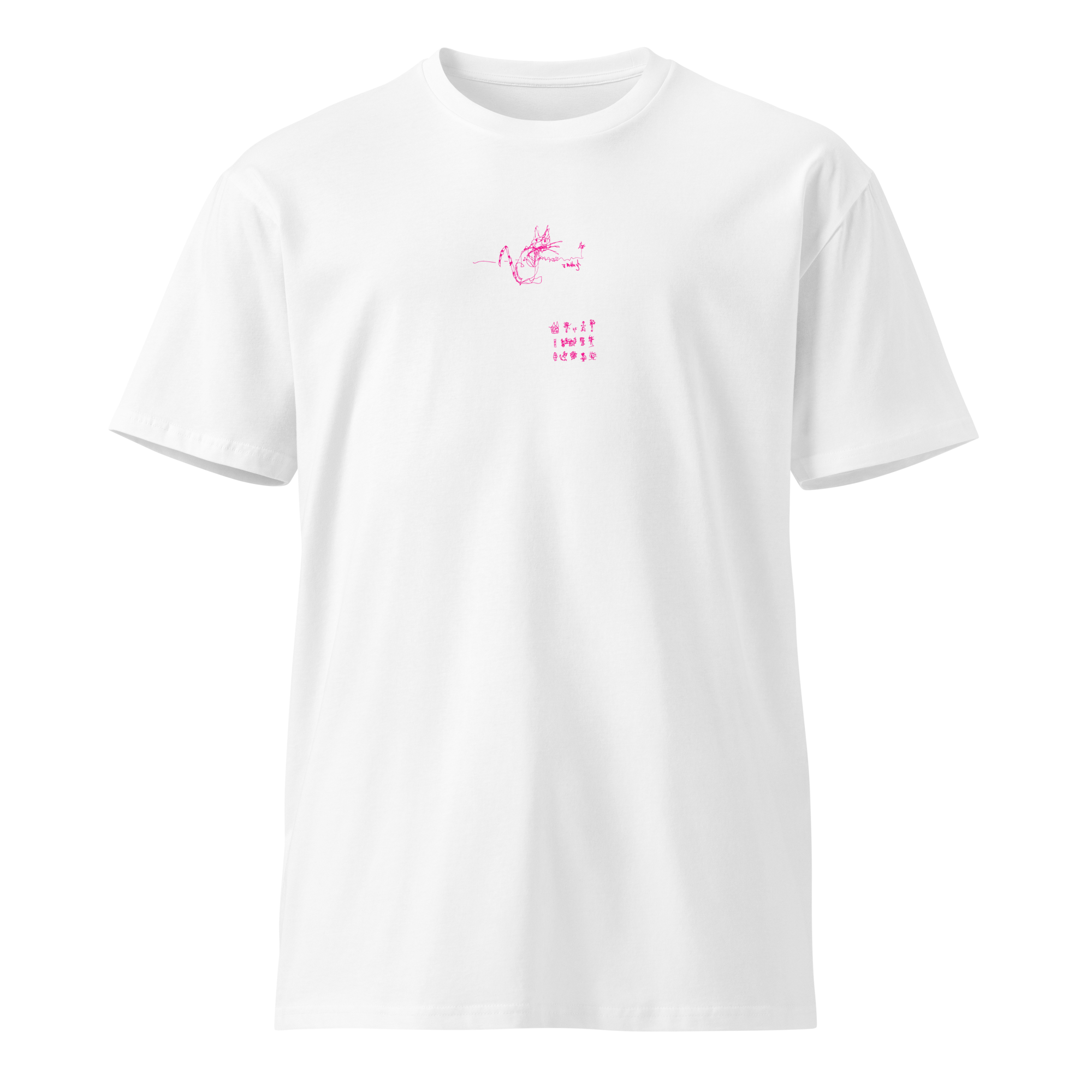
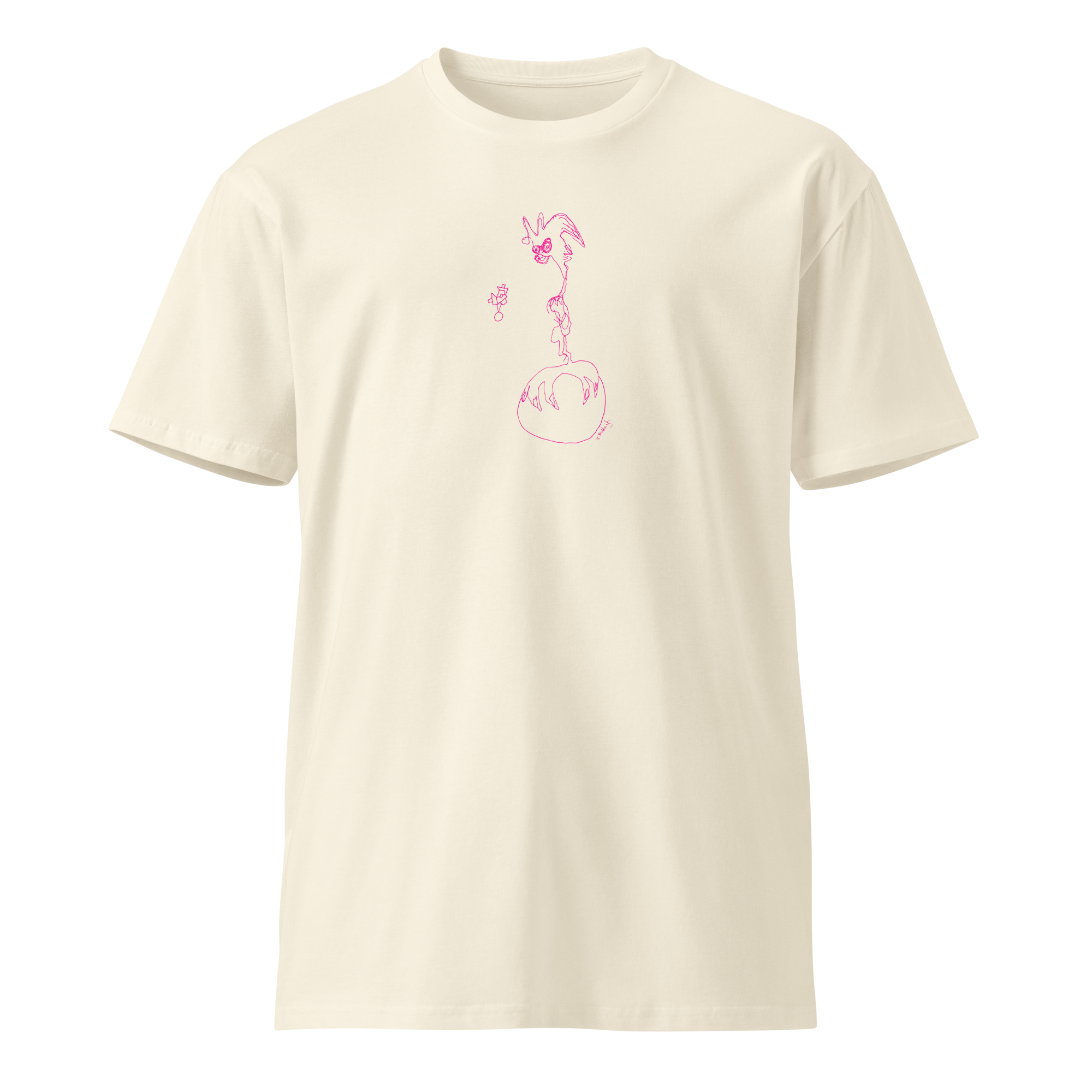
A moment of pause for the cat and the bird, hovering above meaningful symbols.
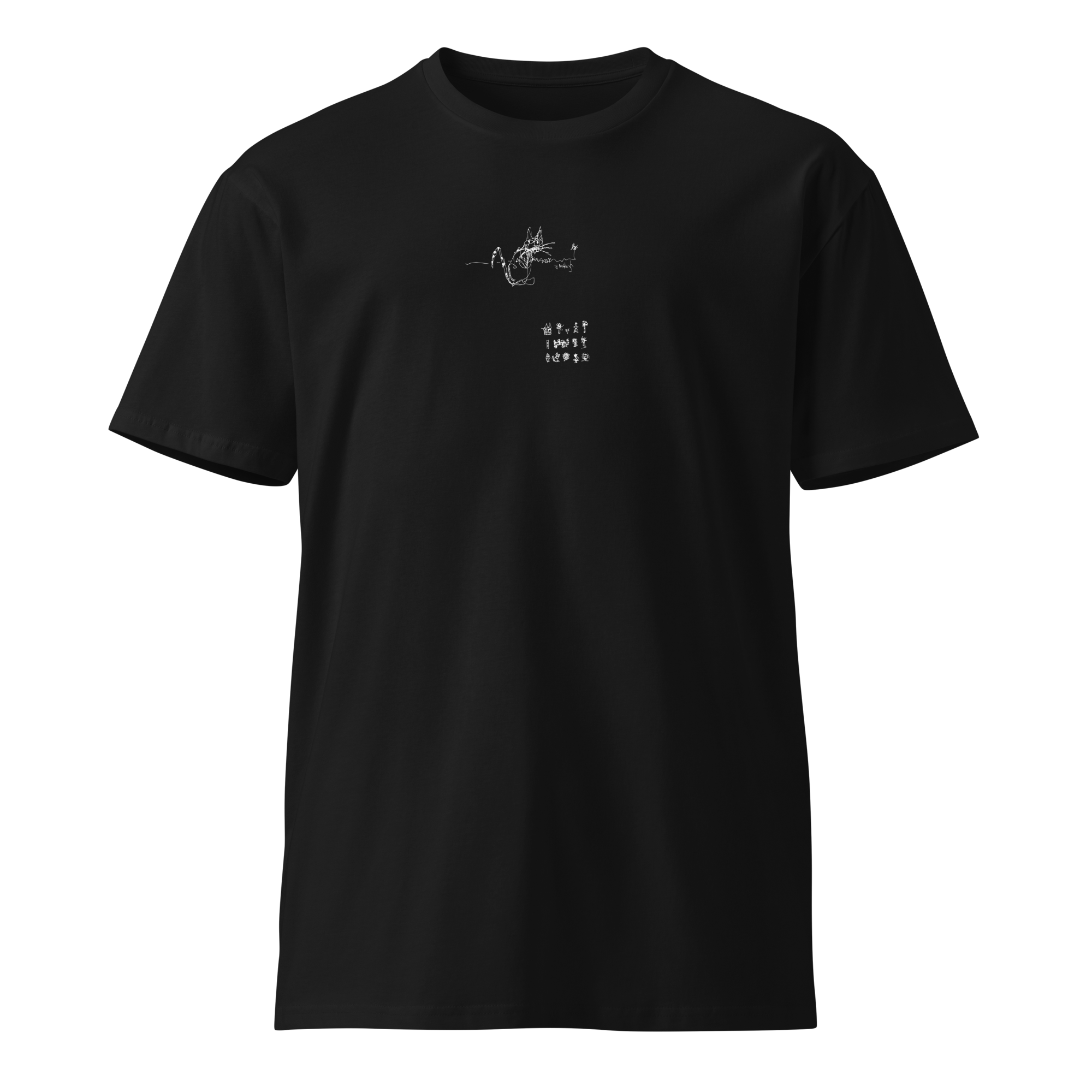
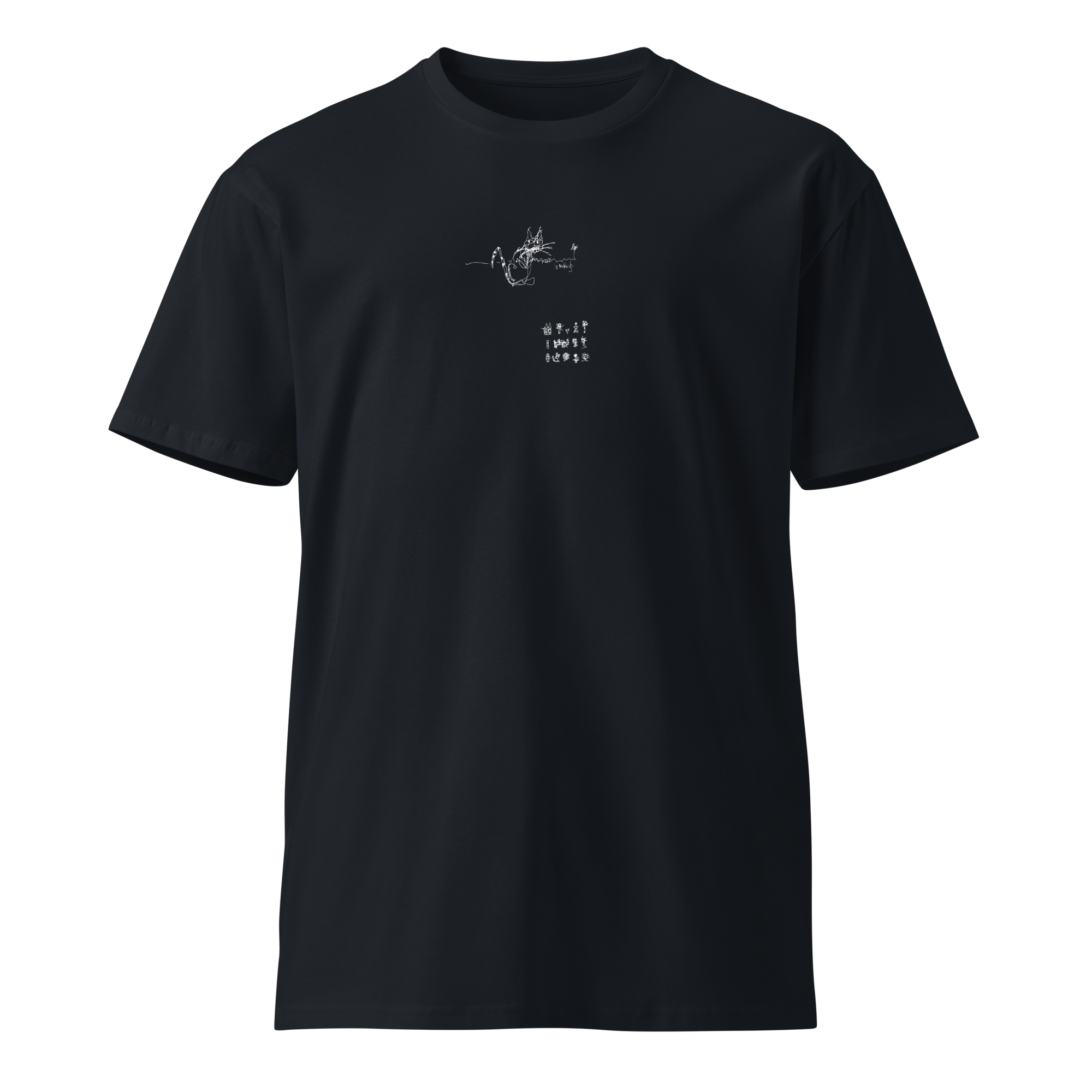
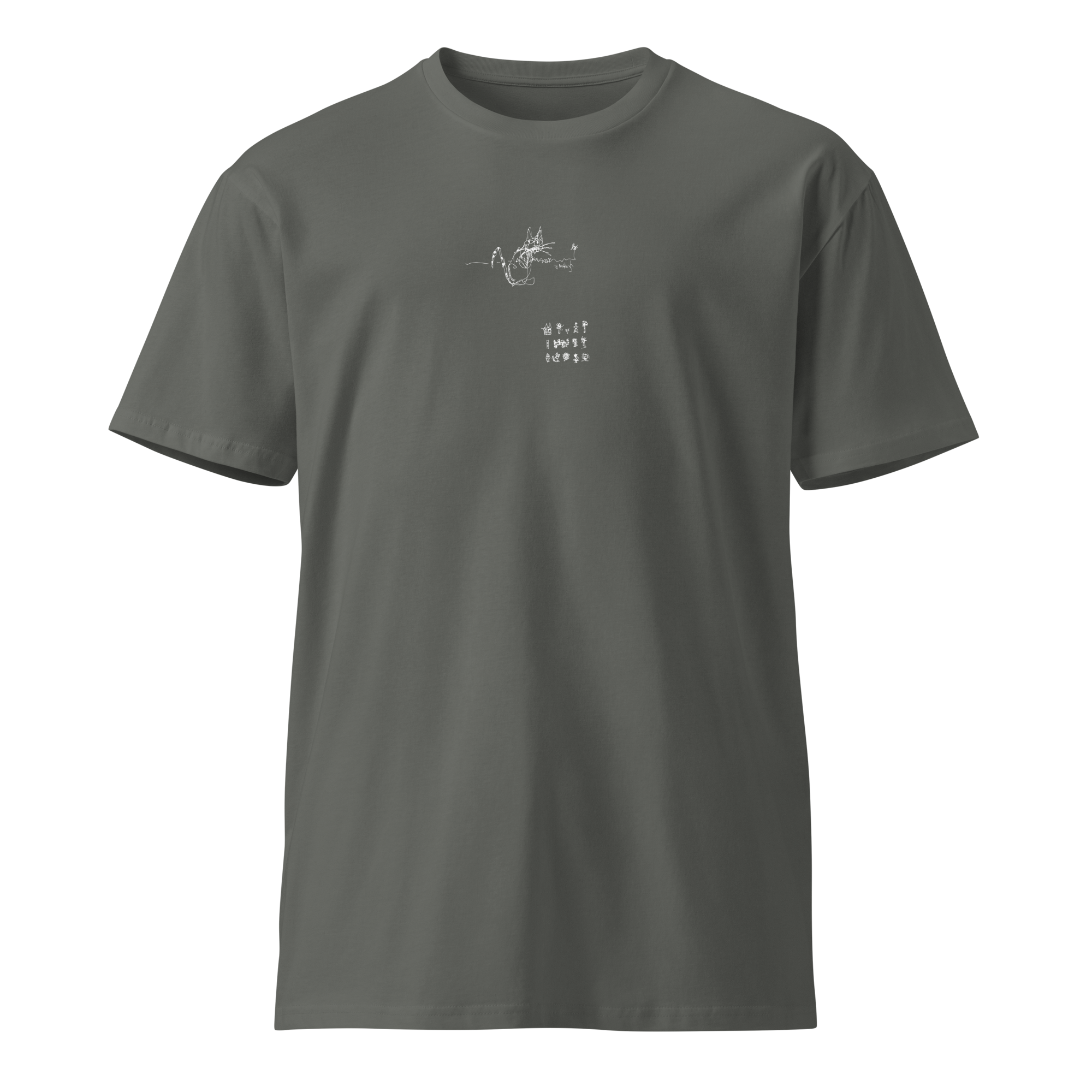
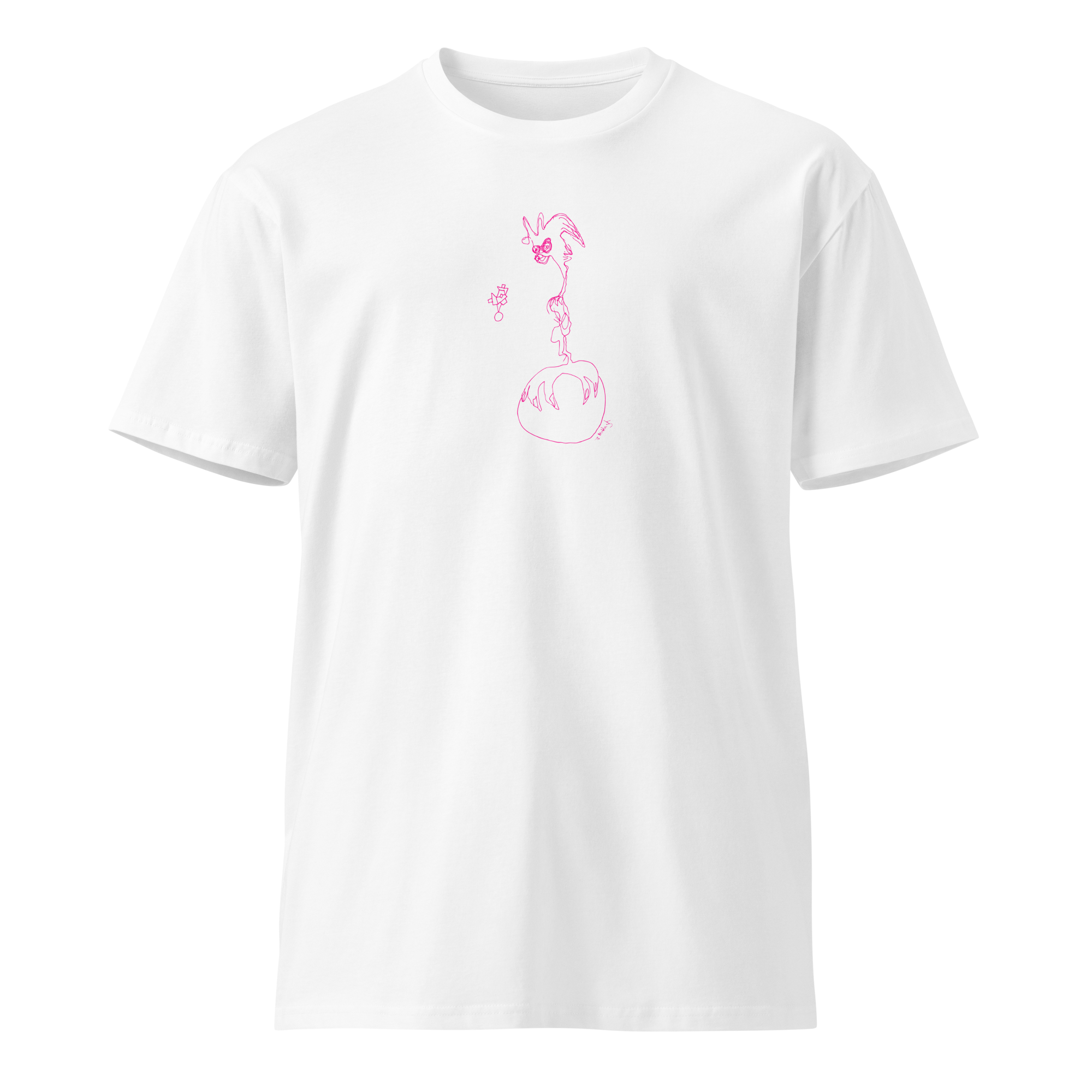
A moment of pause for the cat and the bird, hovering above meaningful symbols.
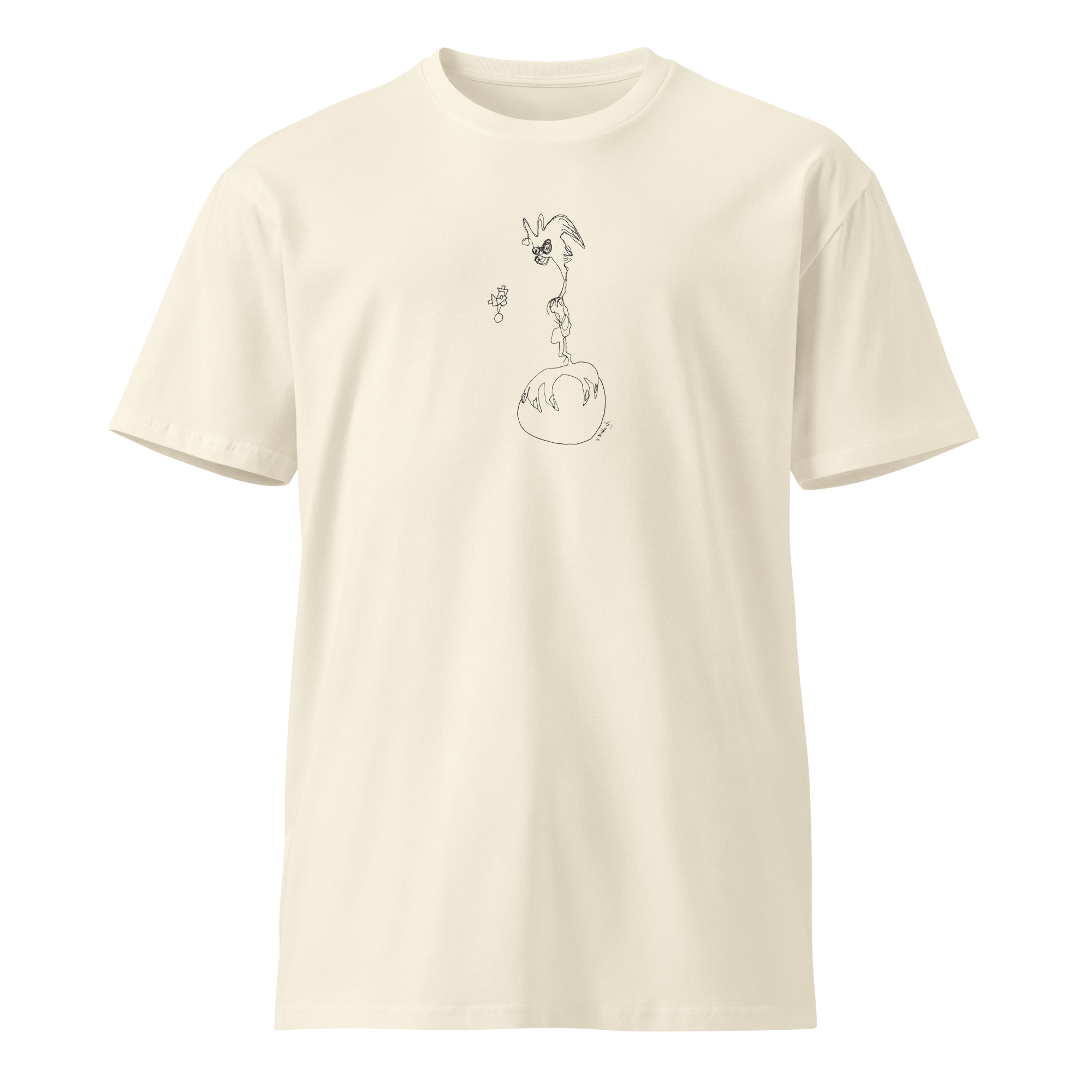
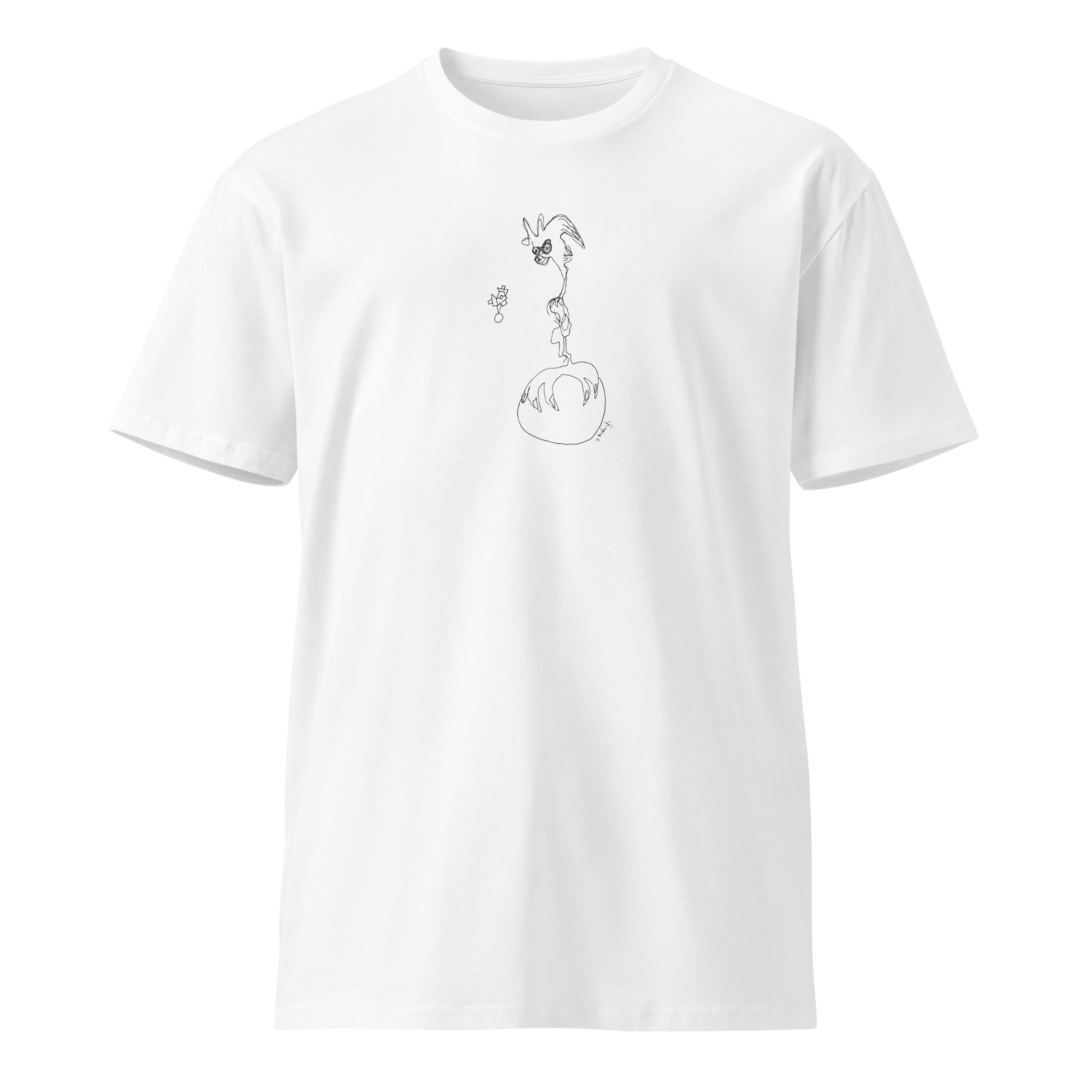
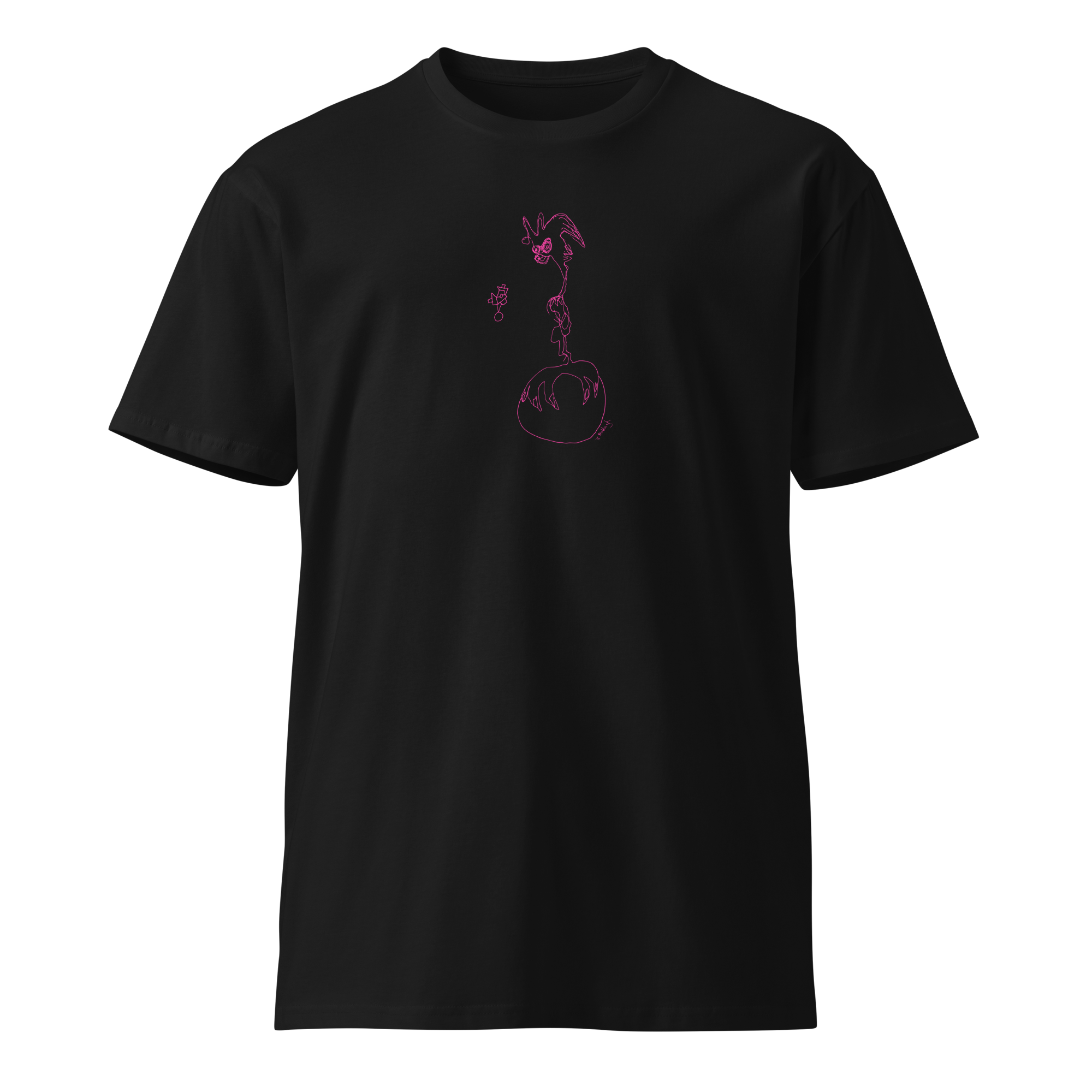
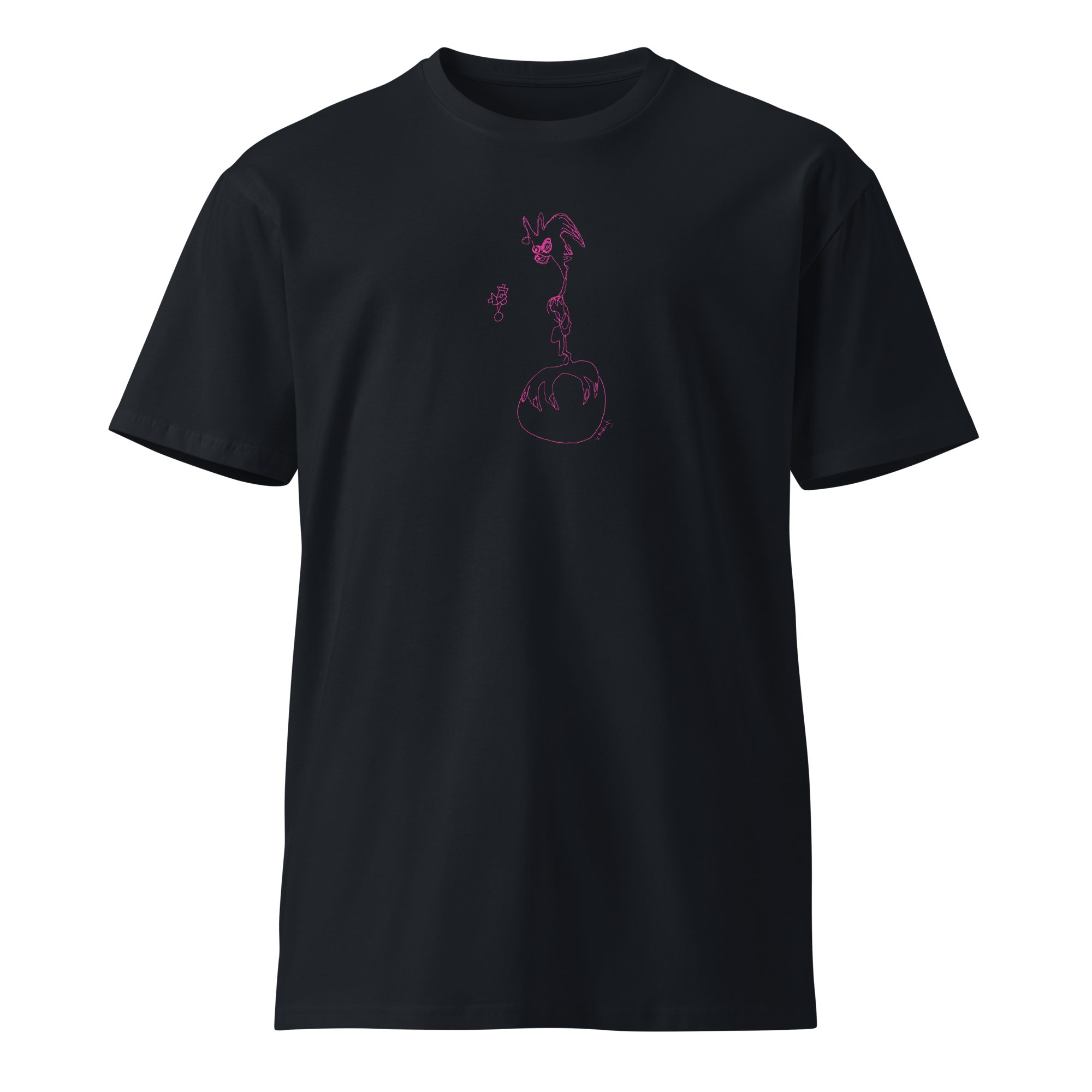
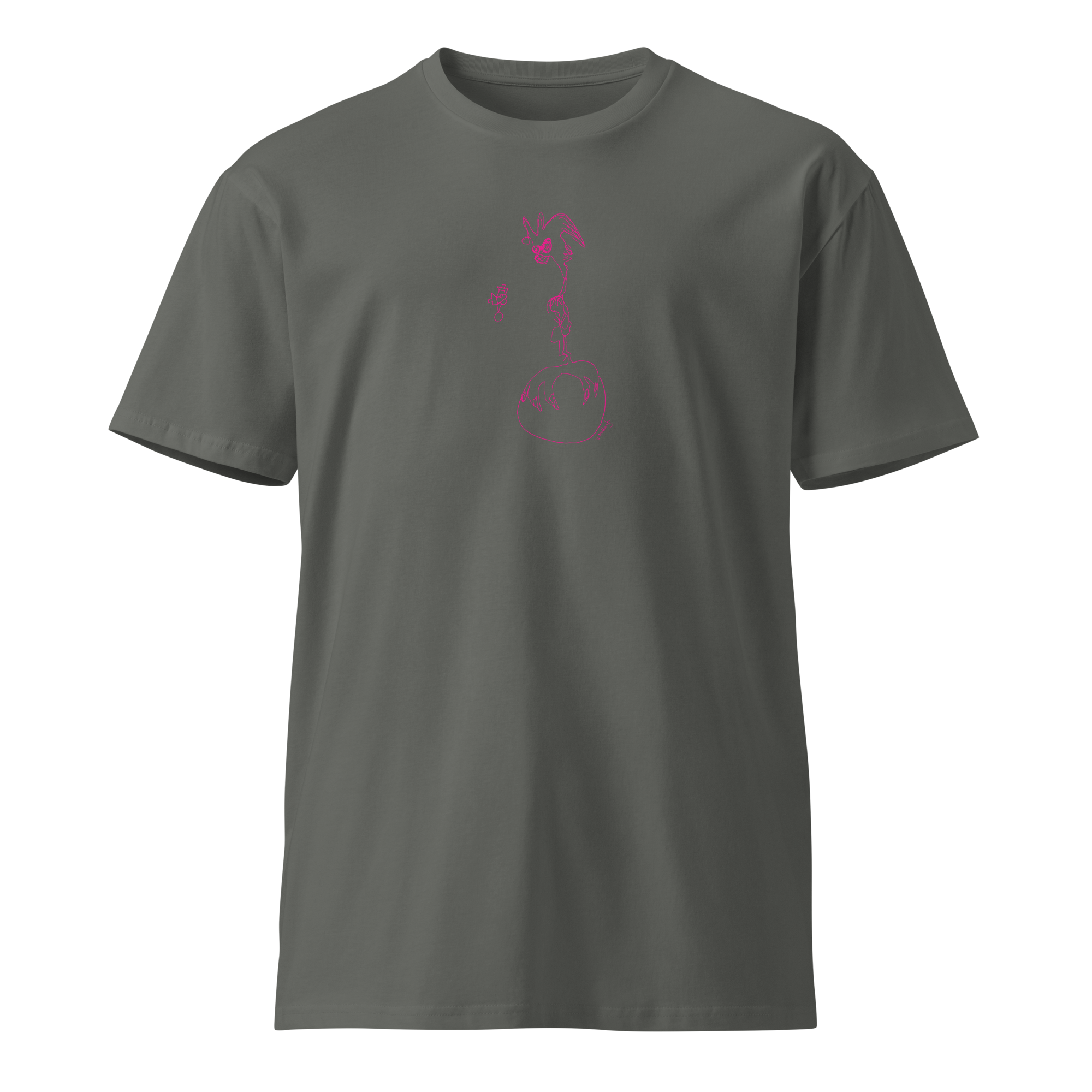
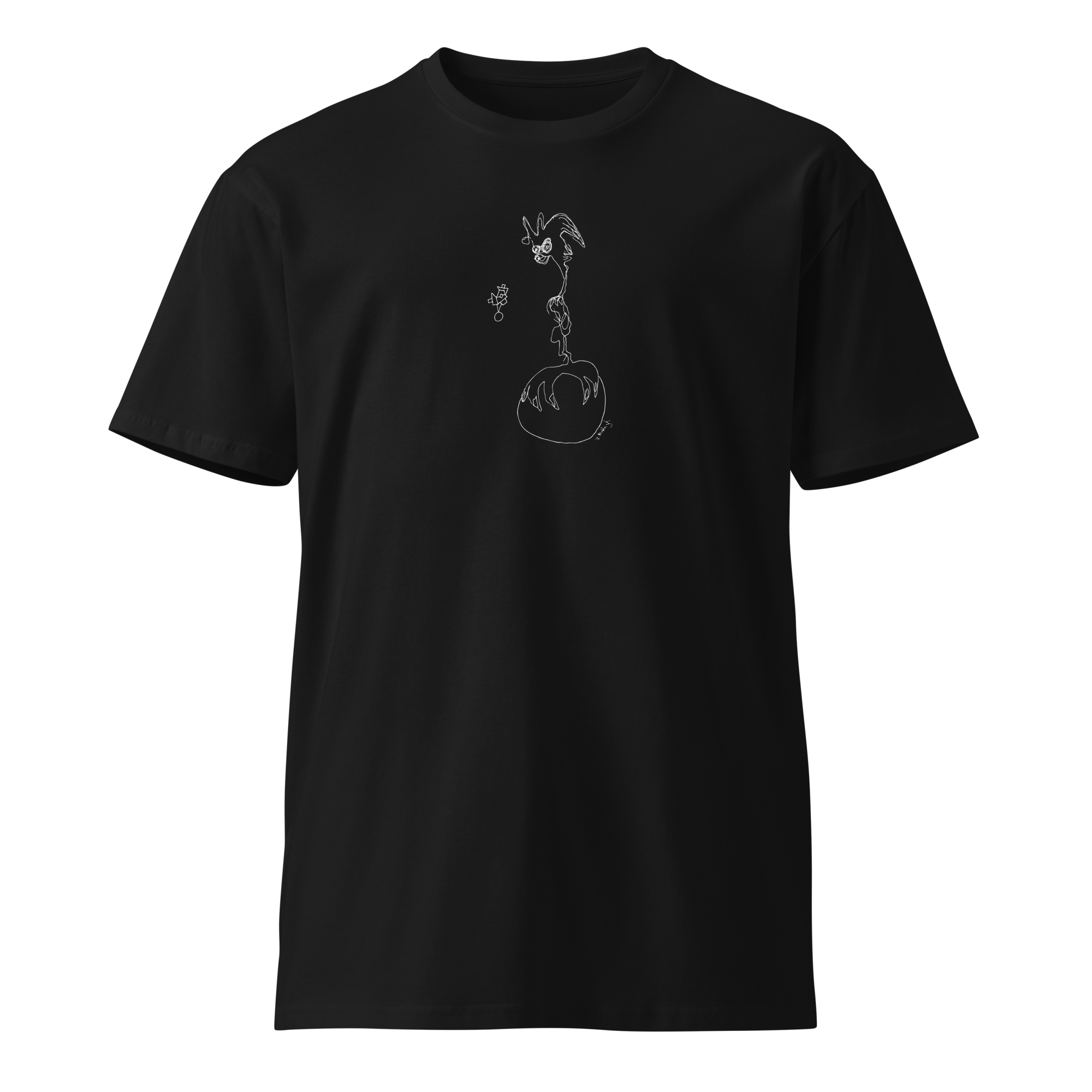
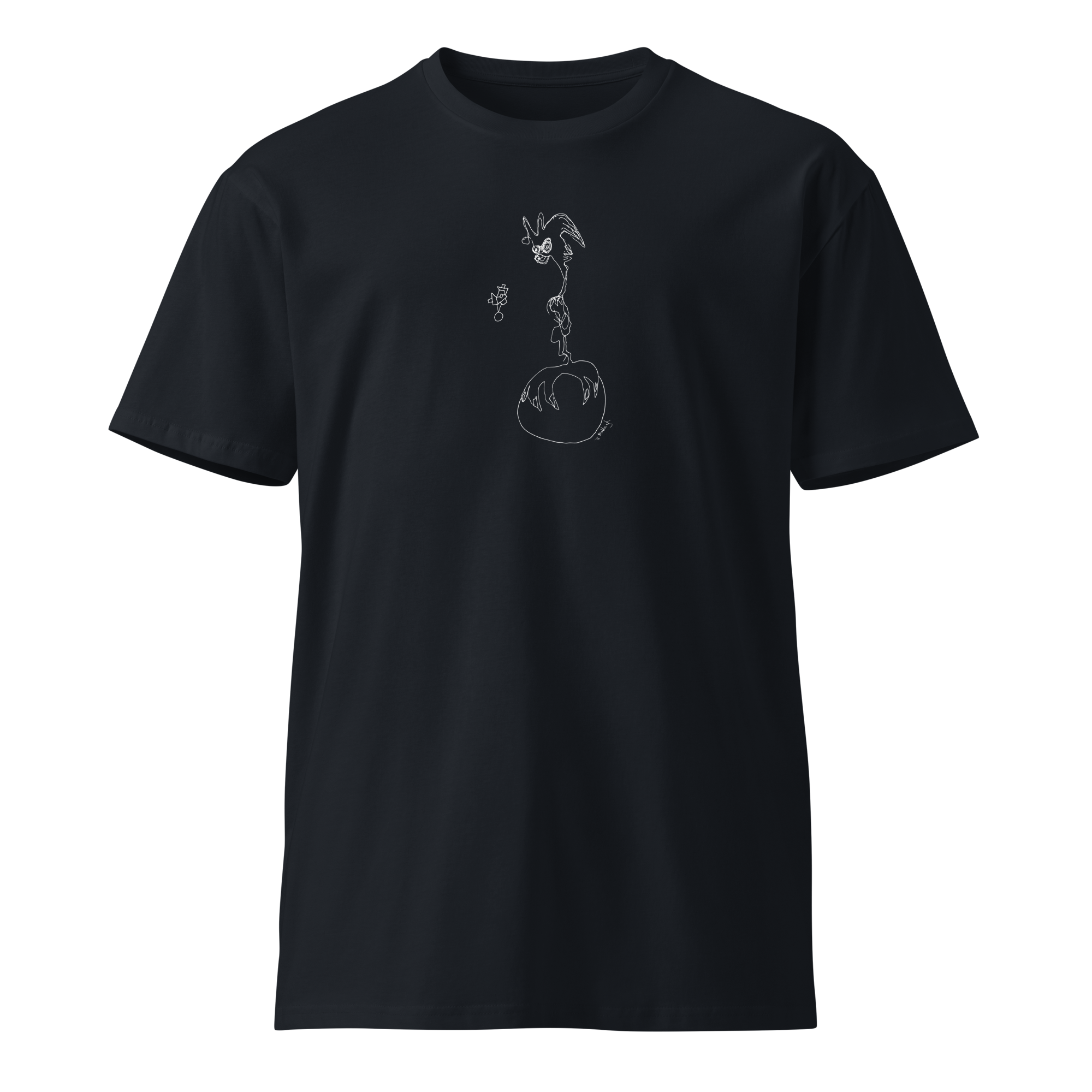
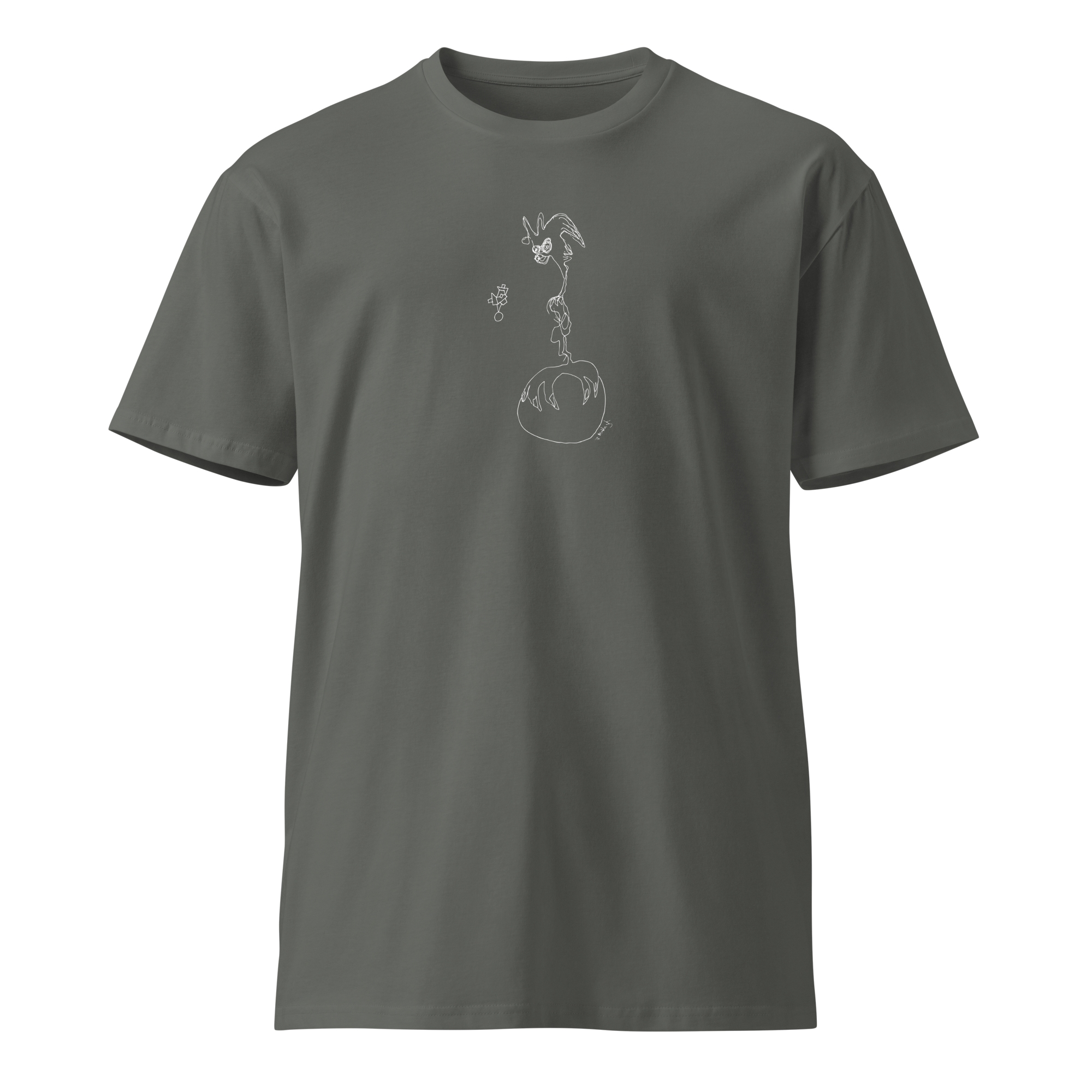
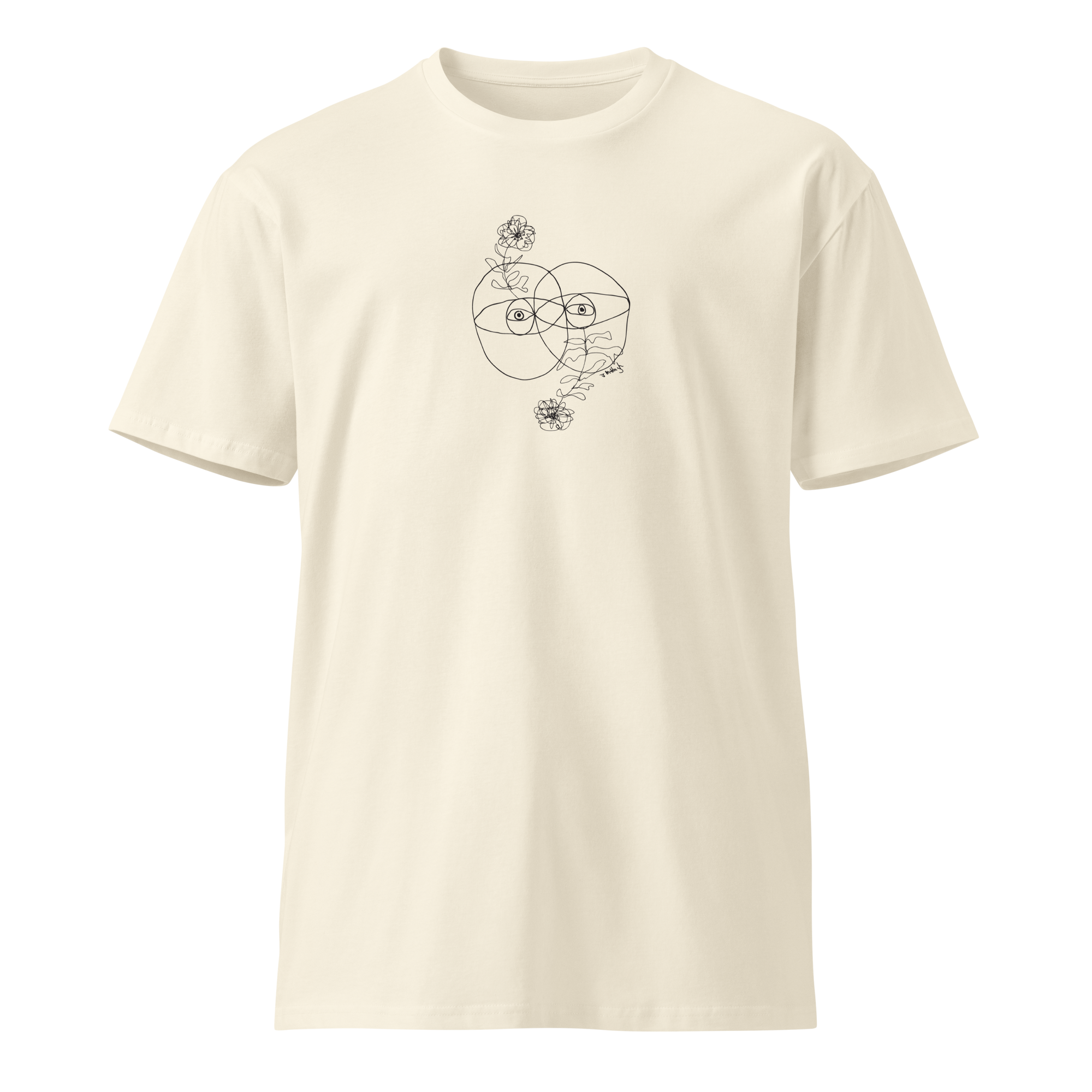
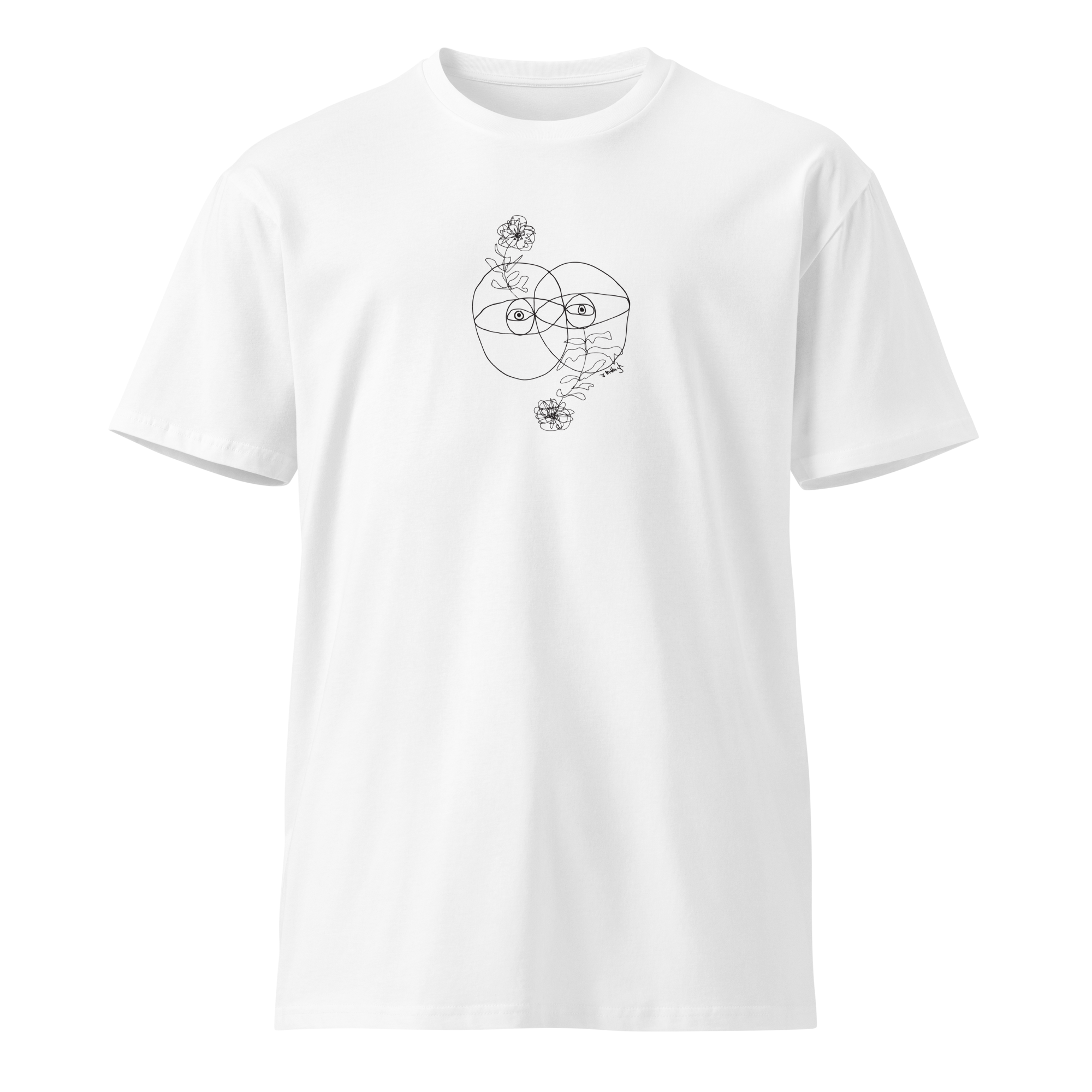
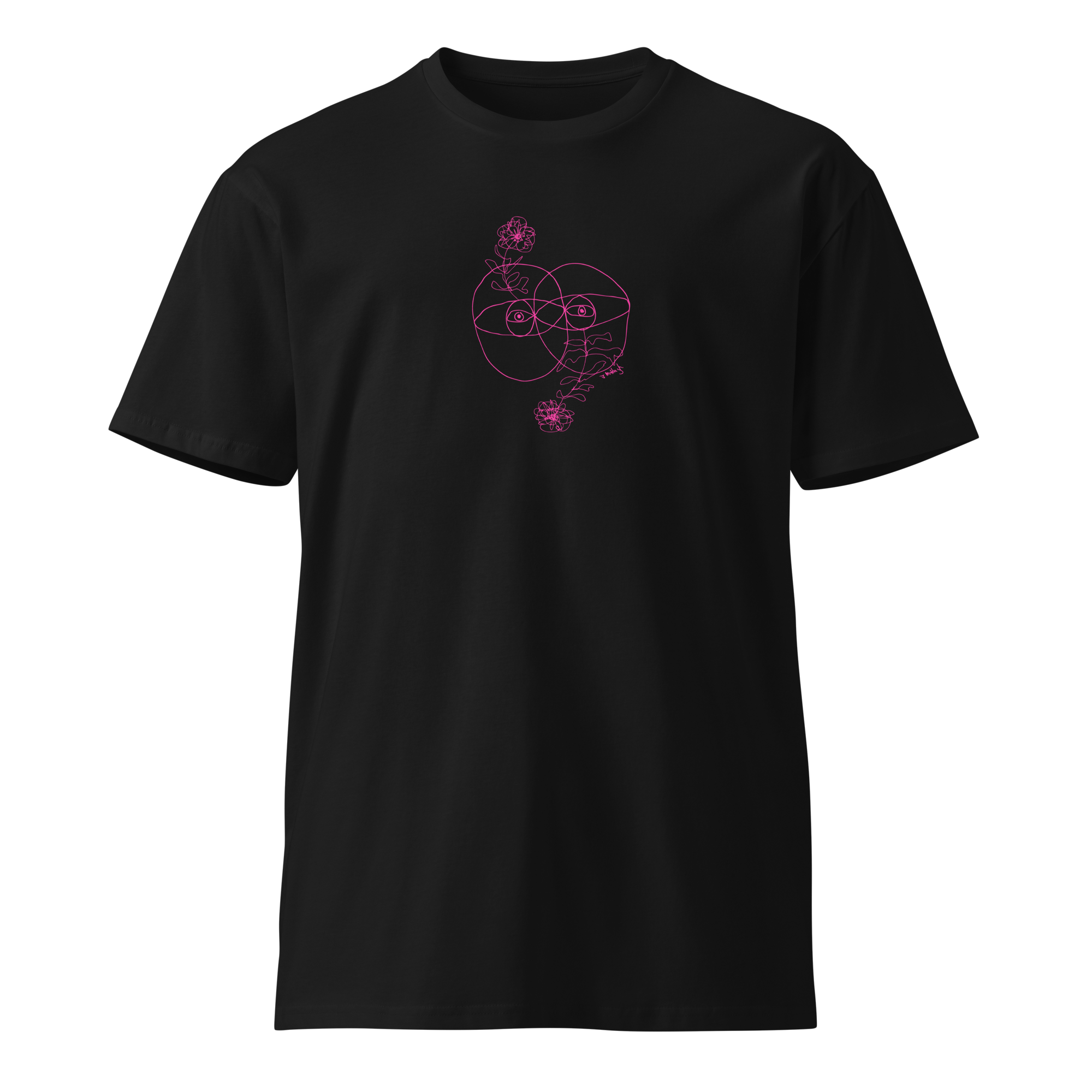
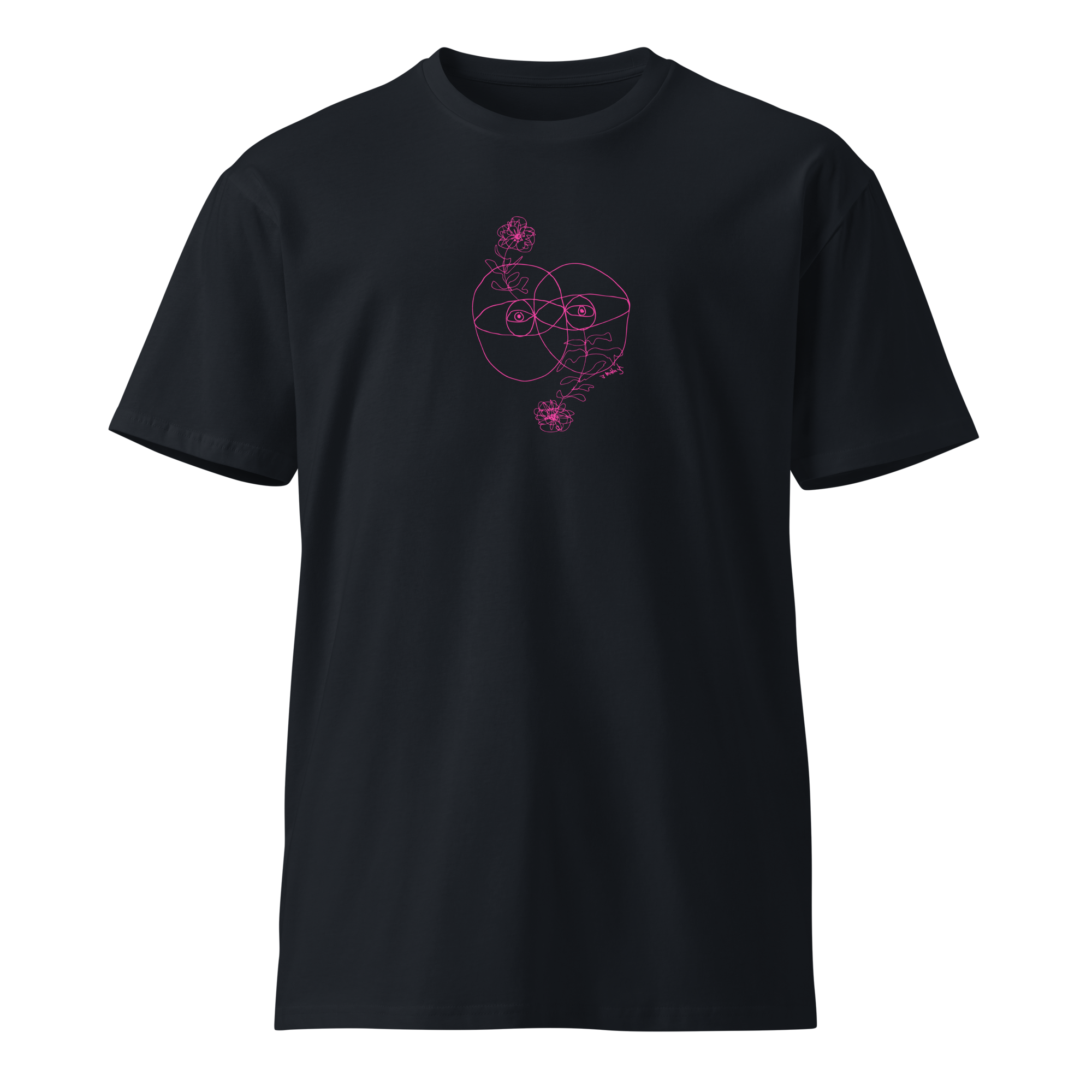
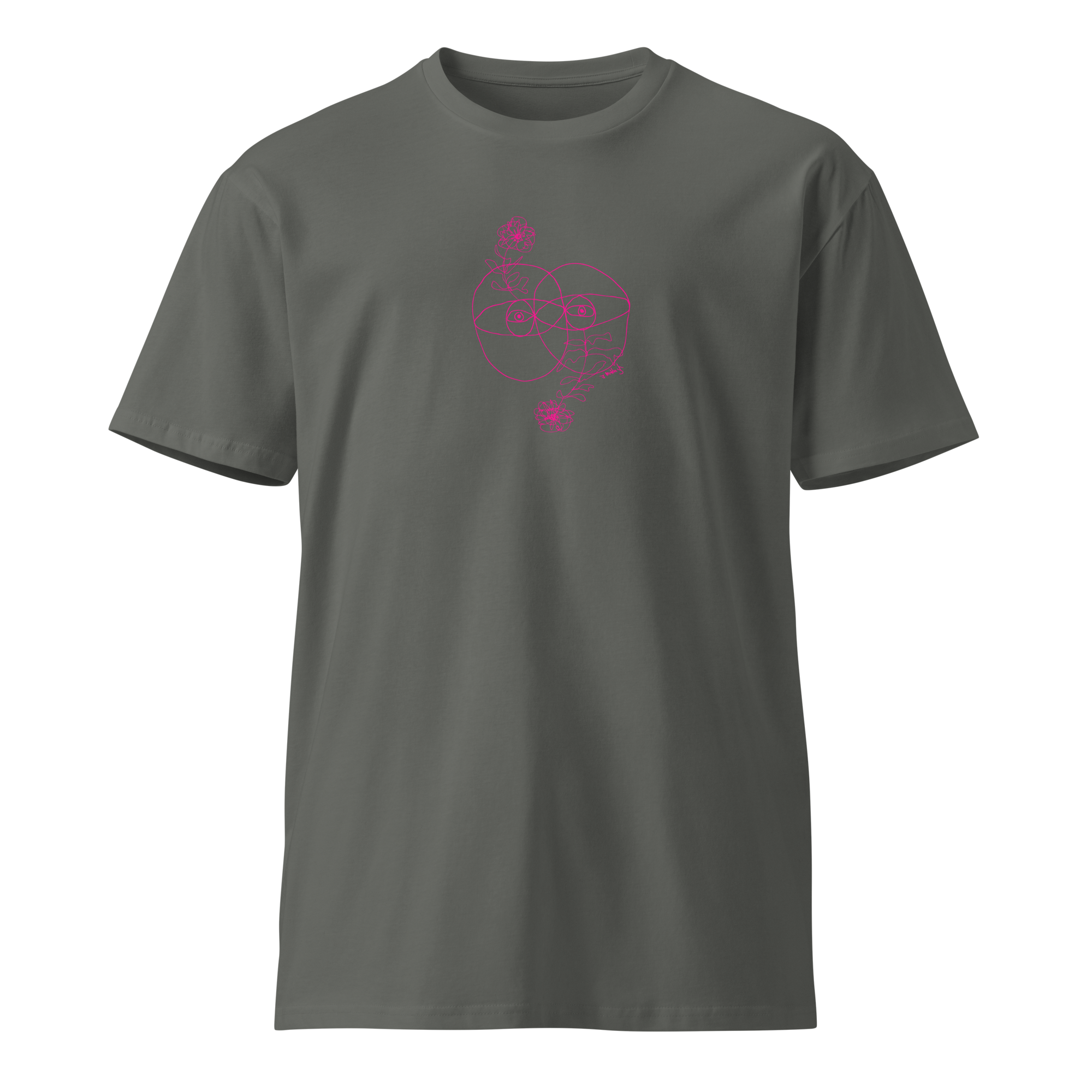
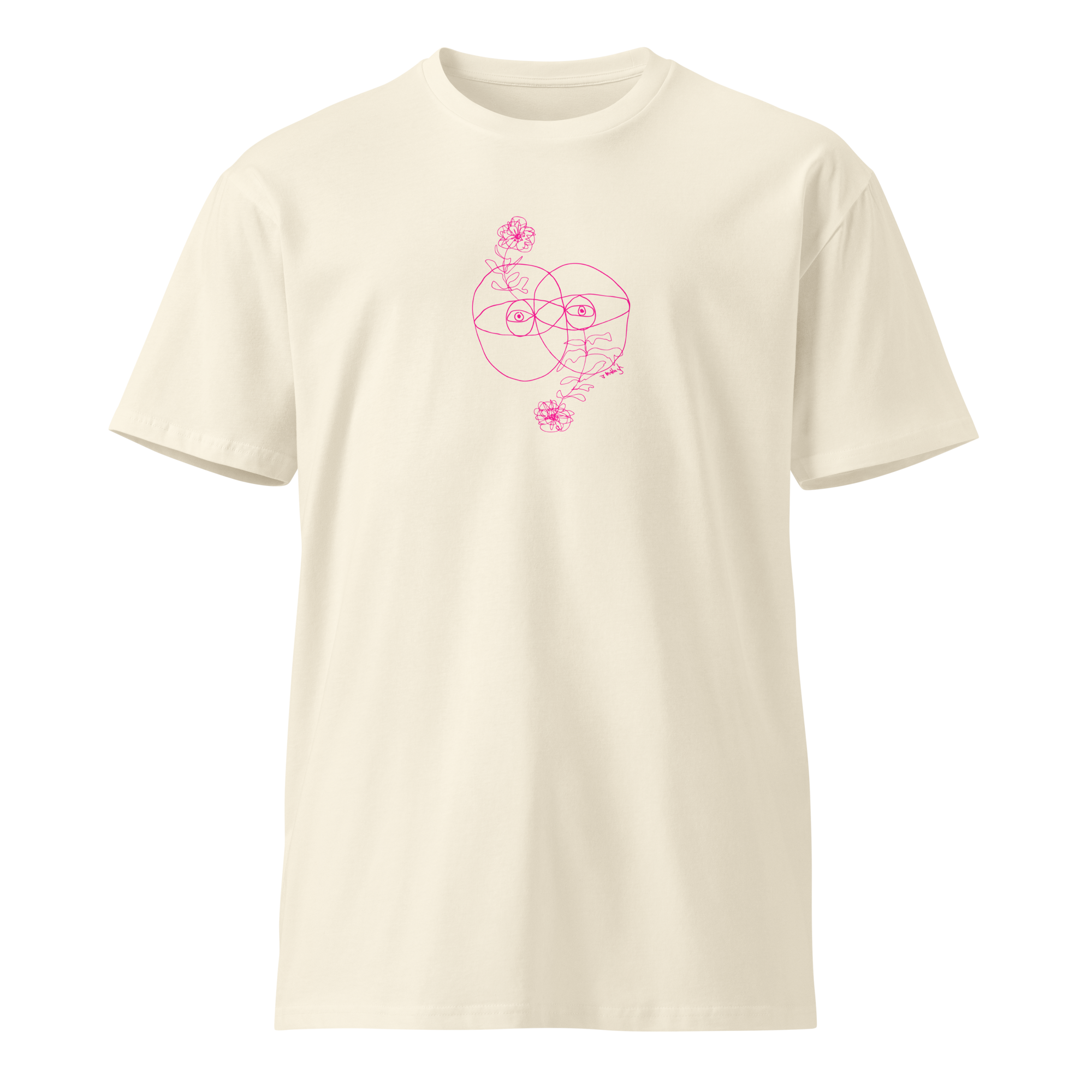
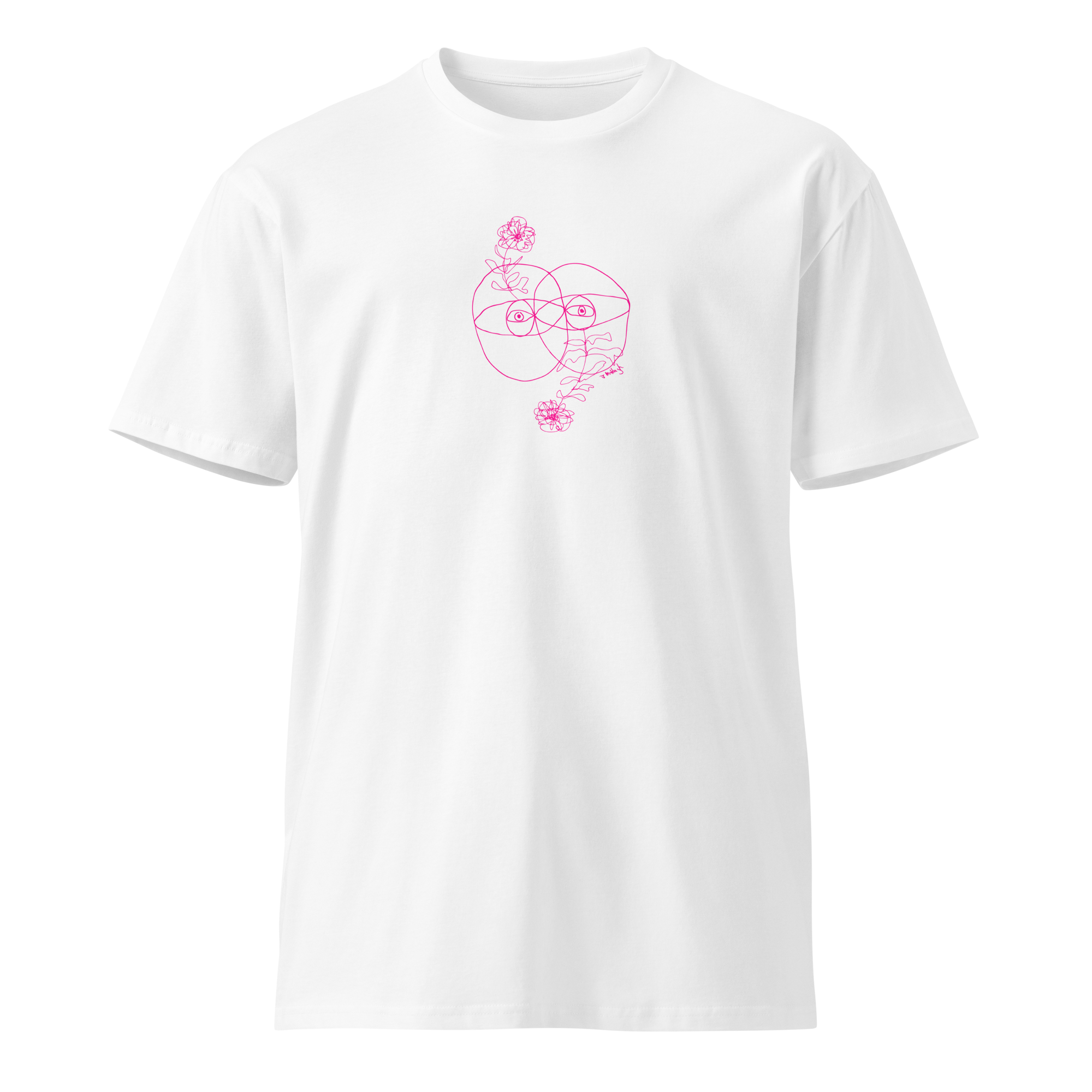
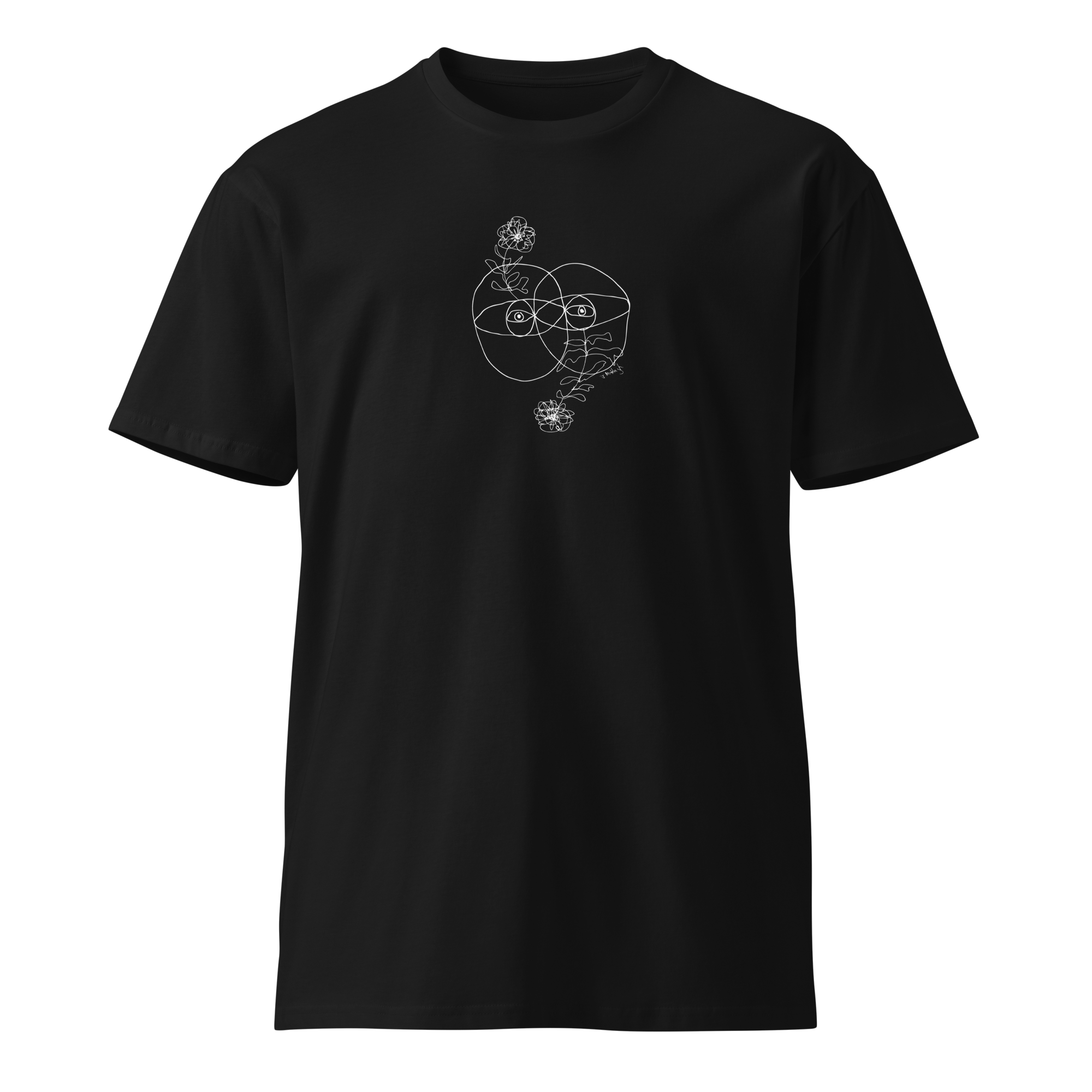
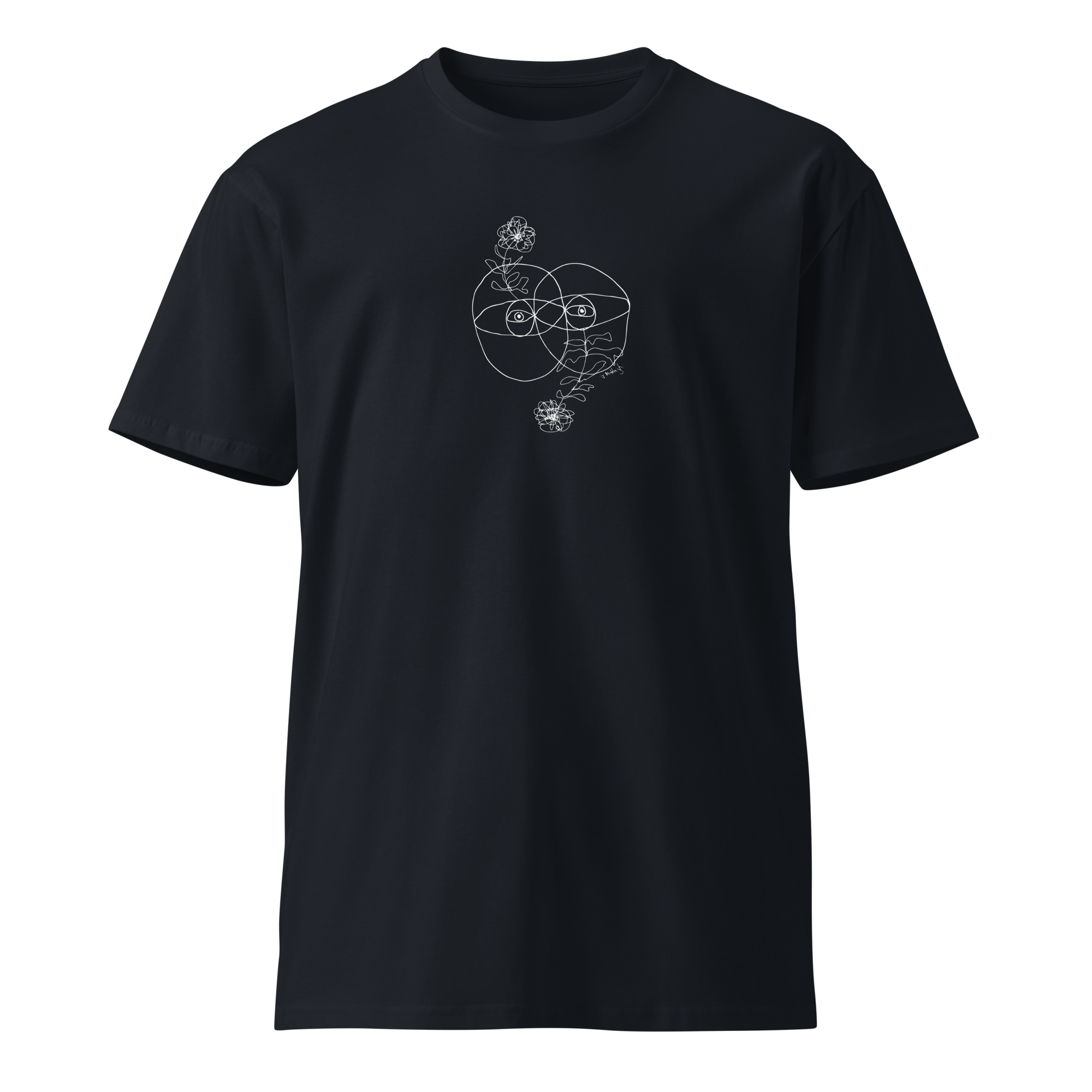
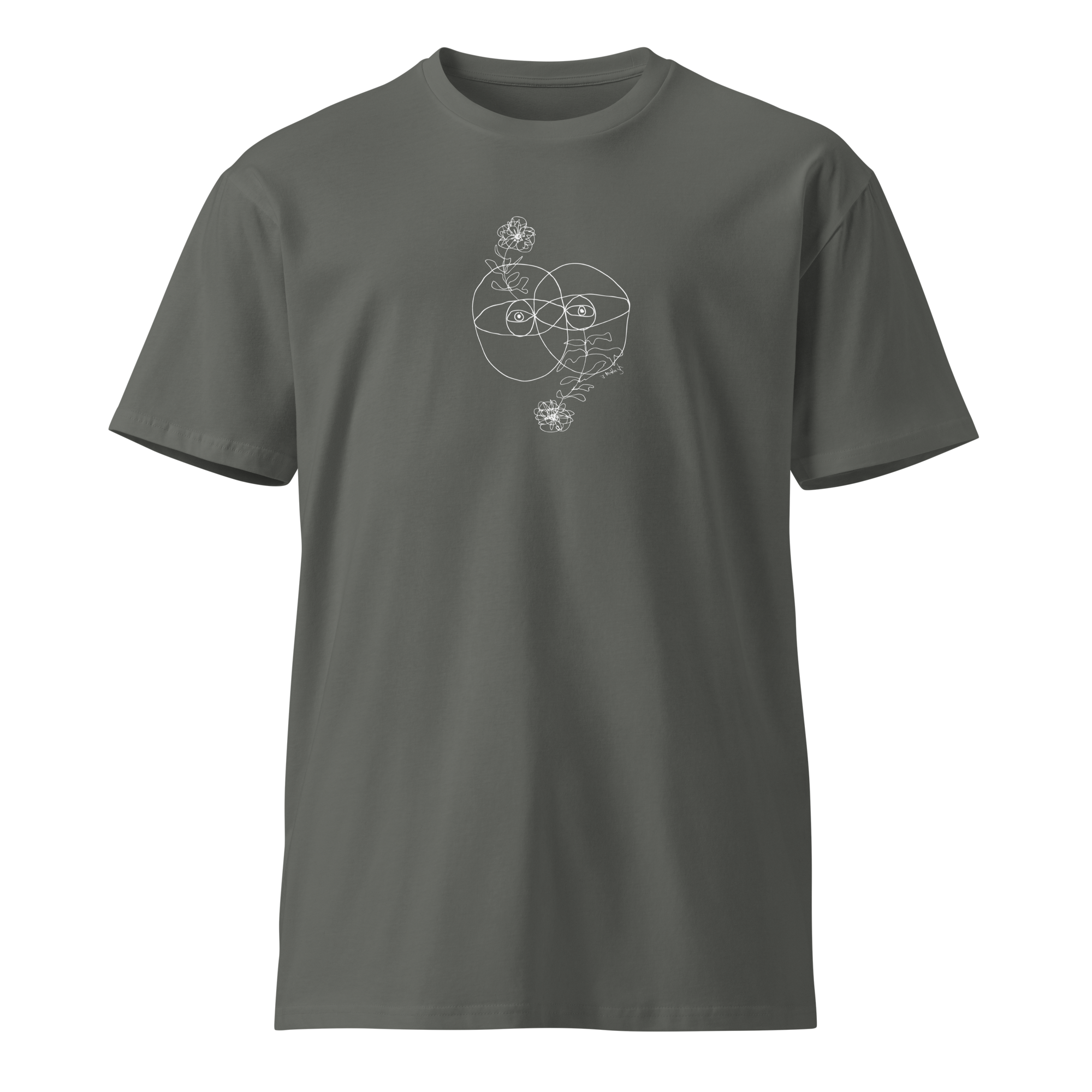
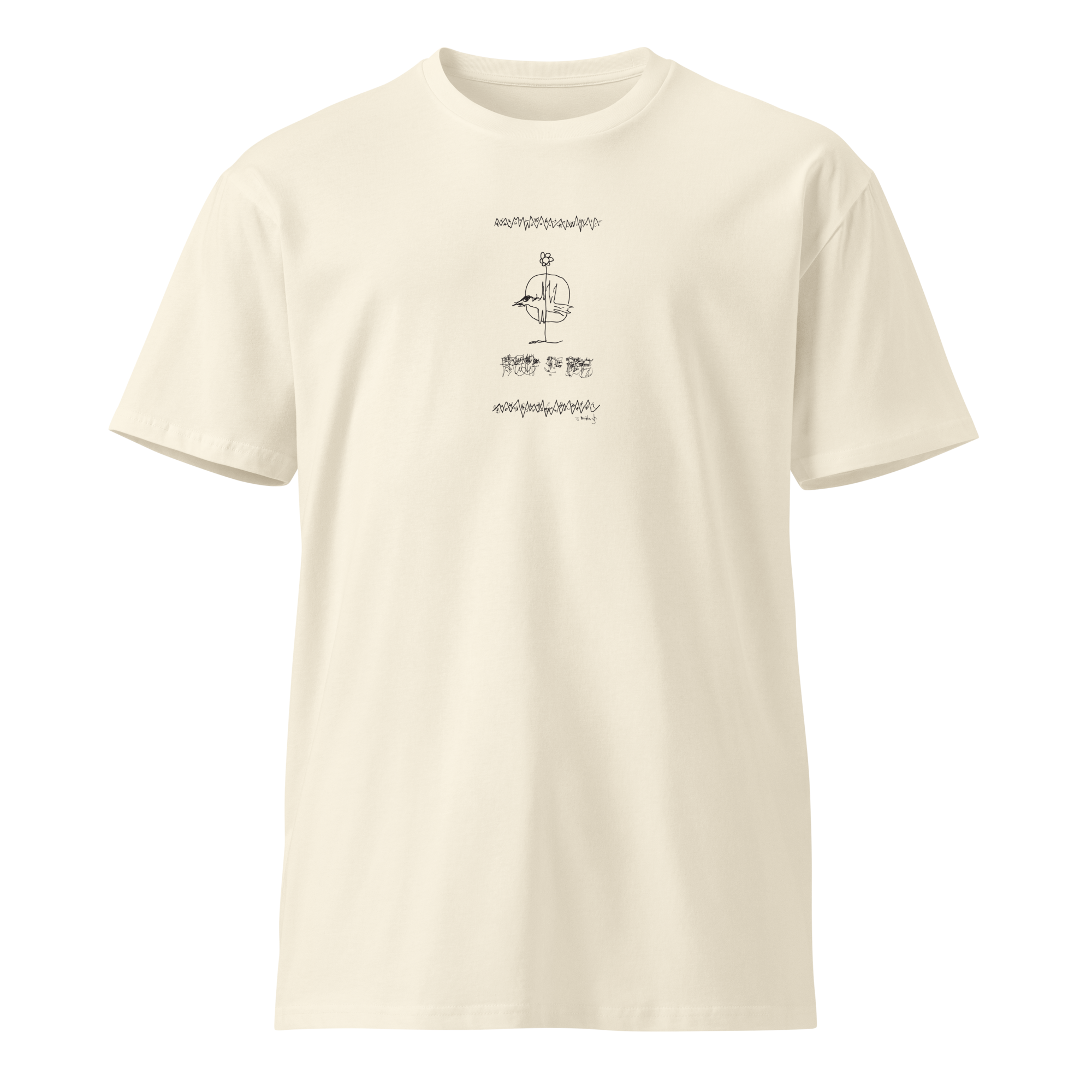
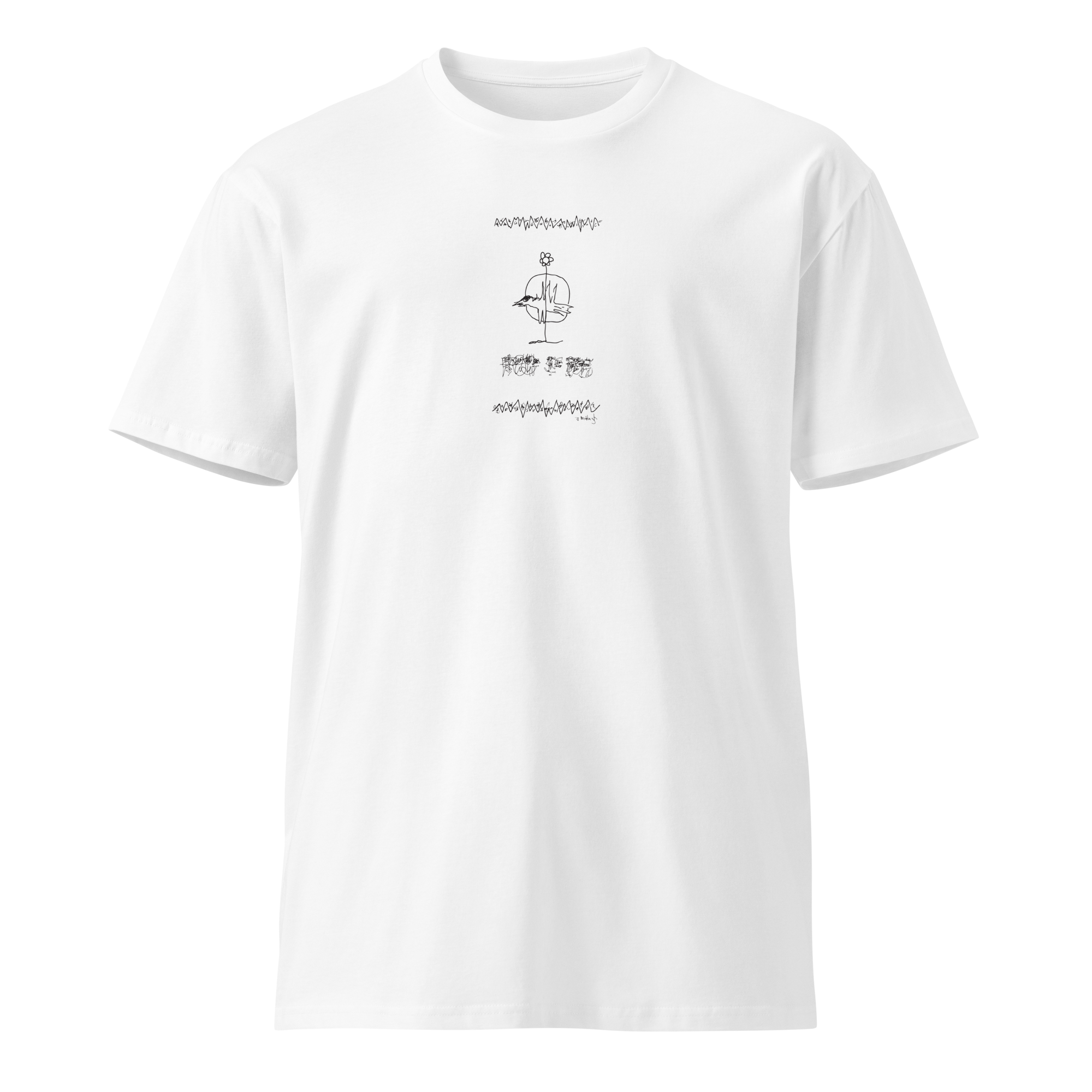
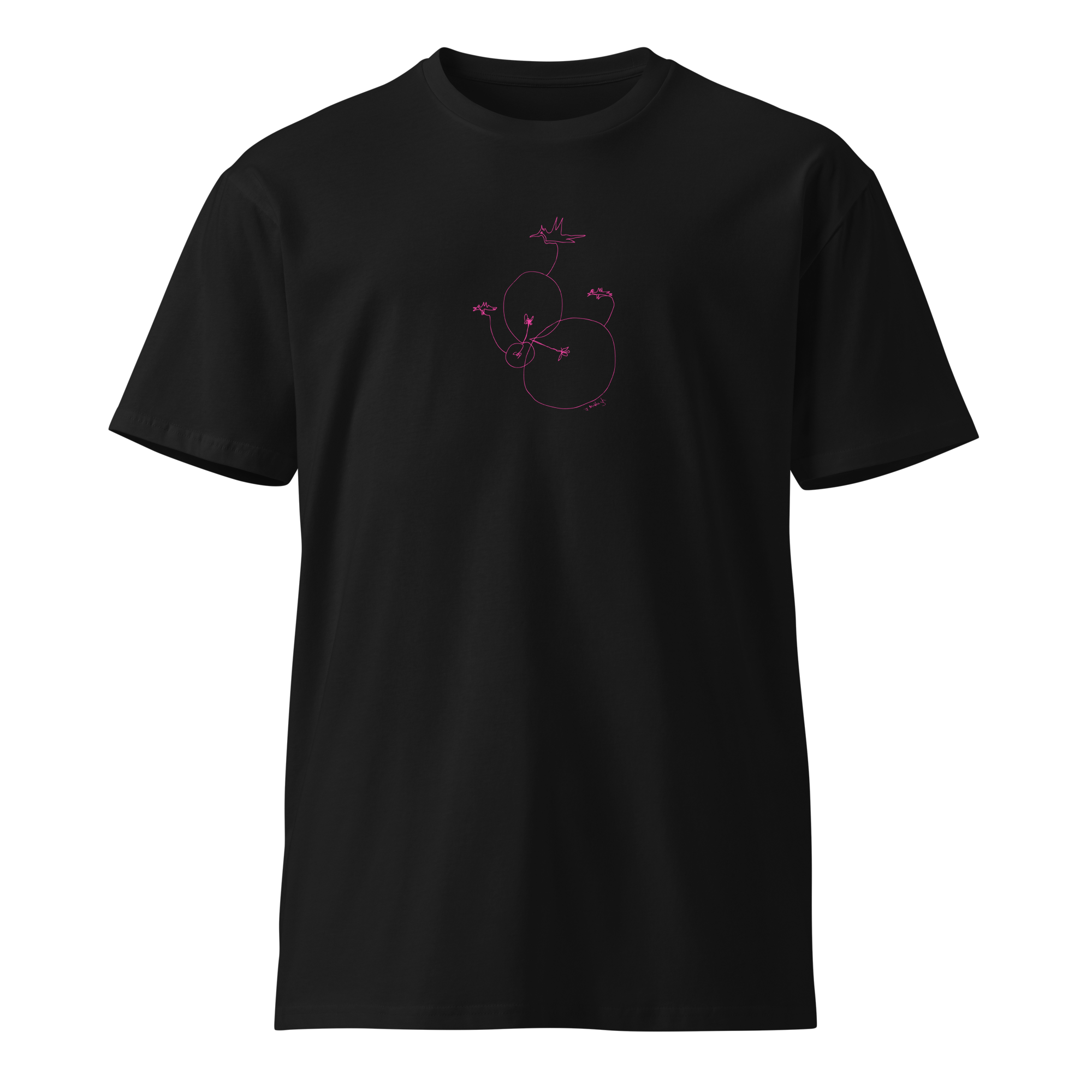
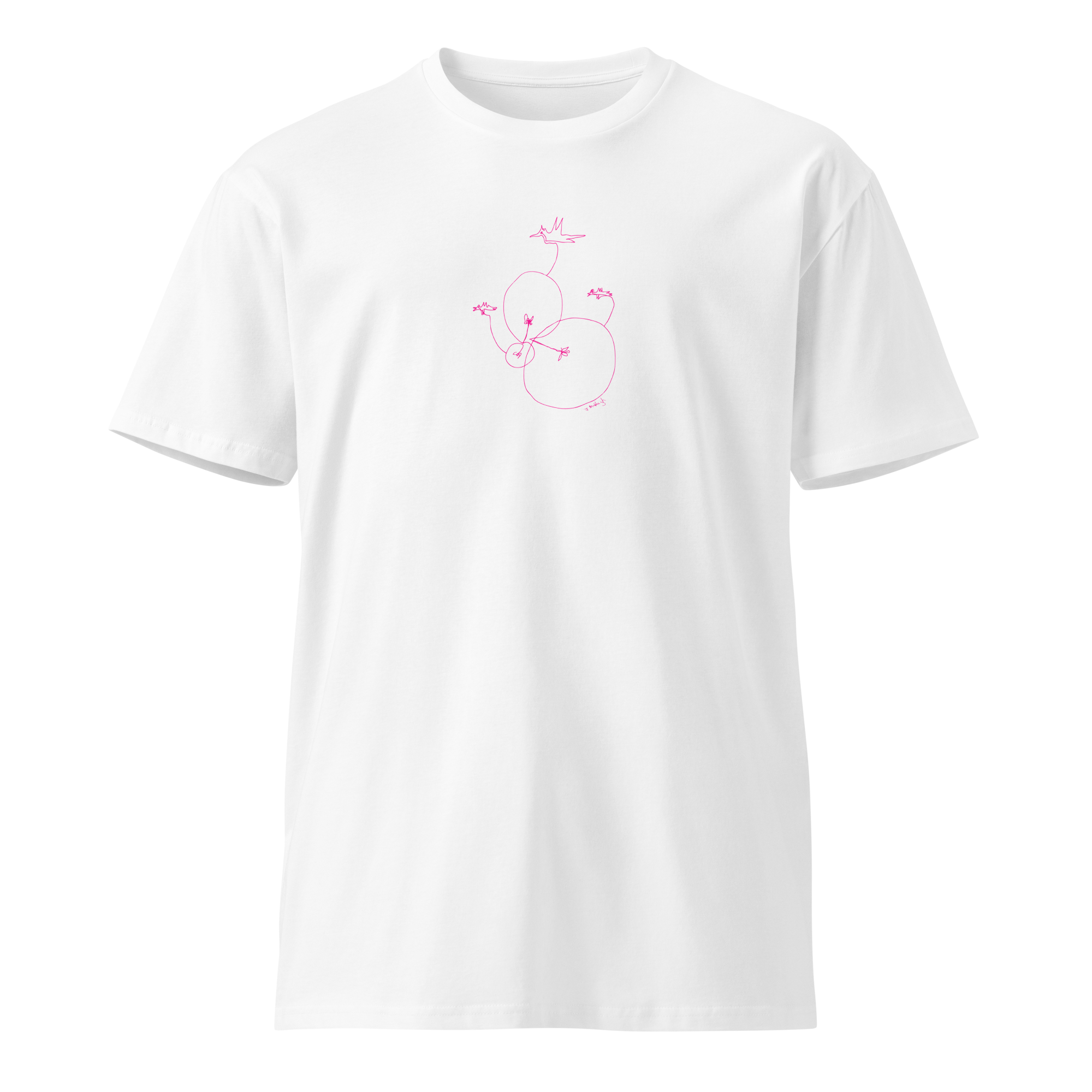
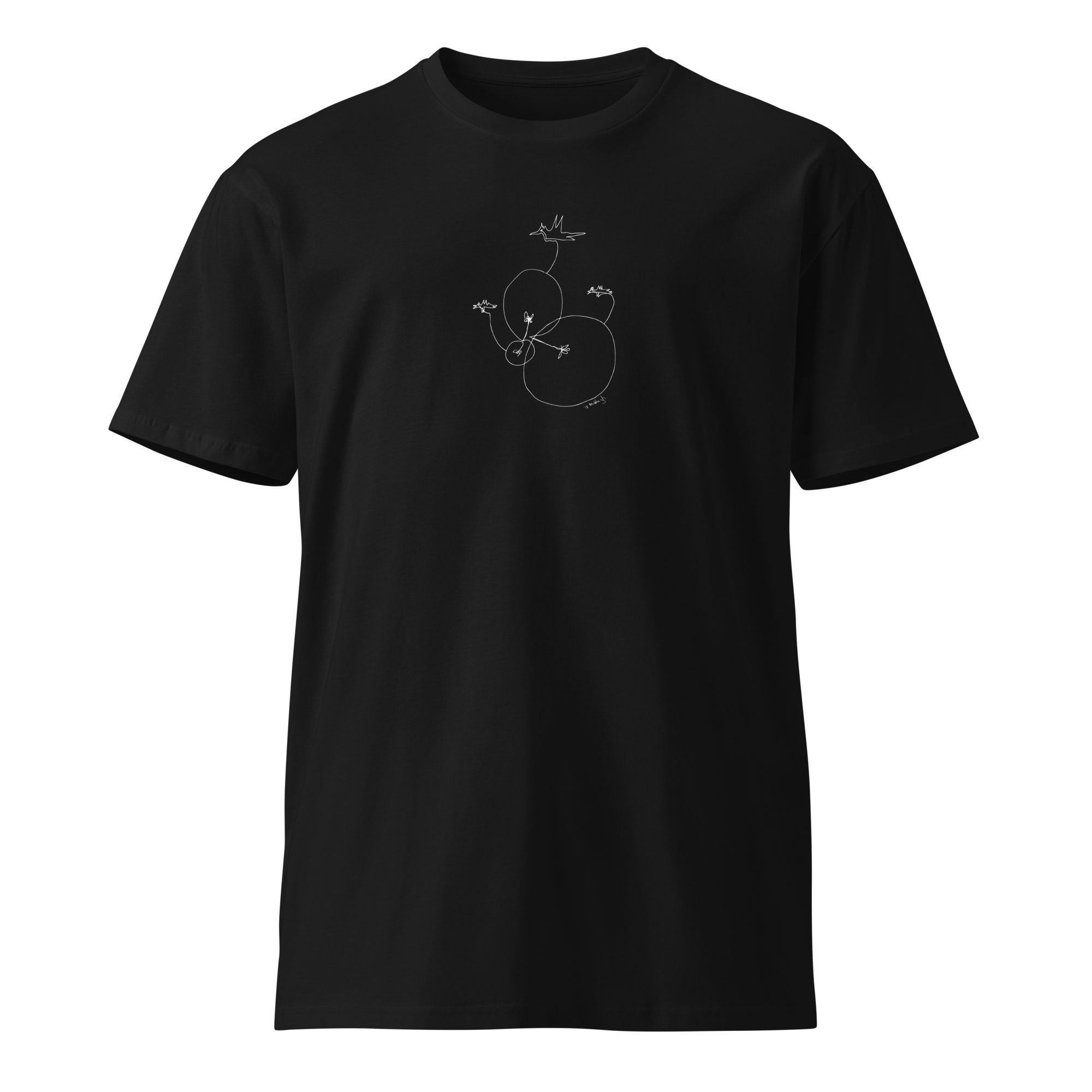
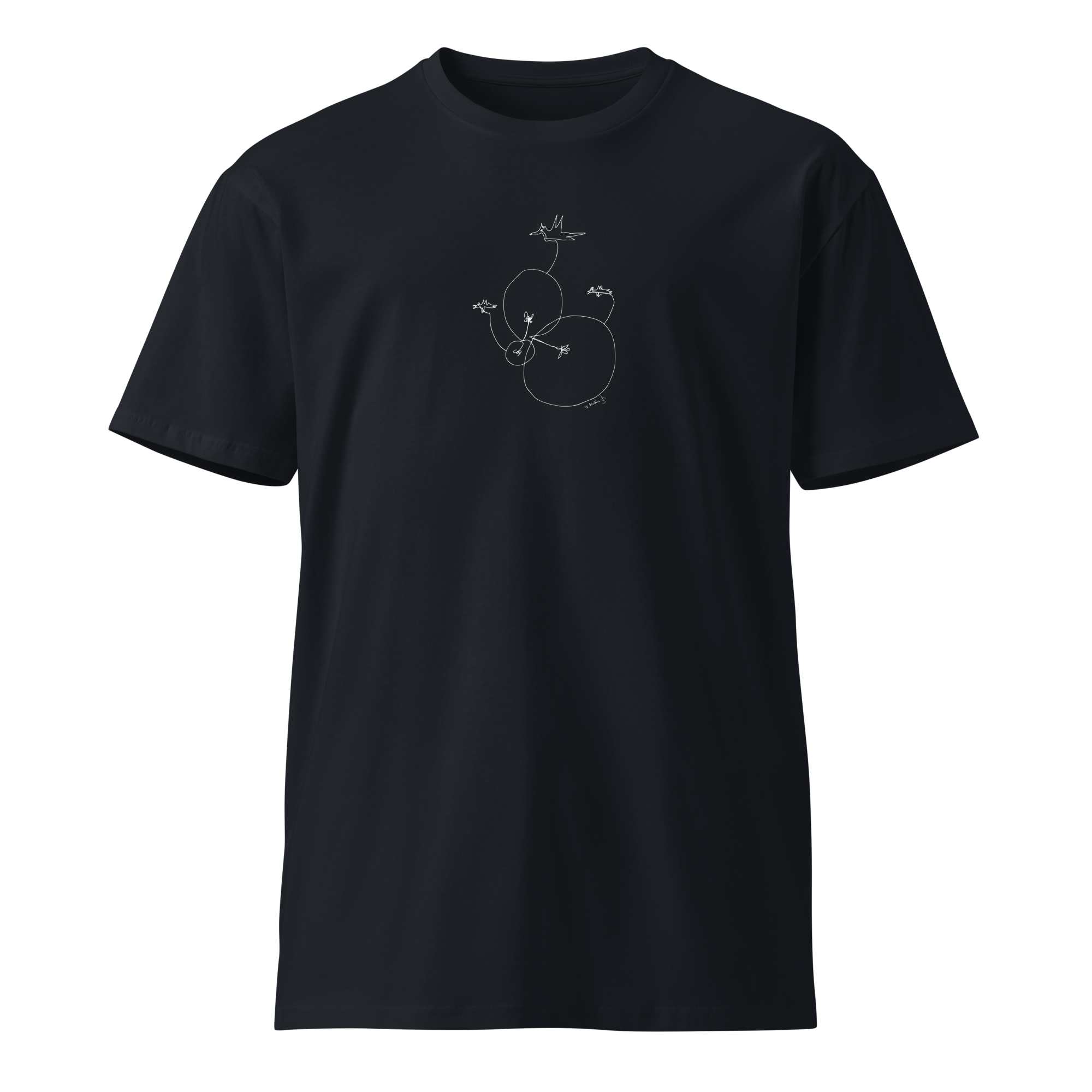
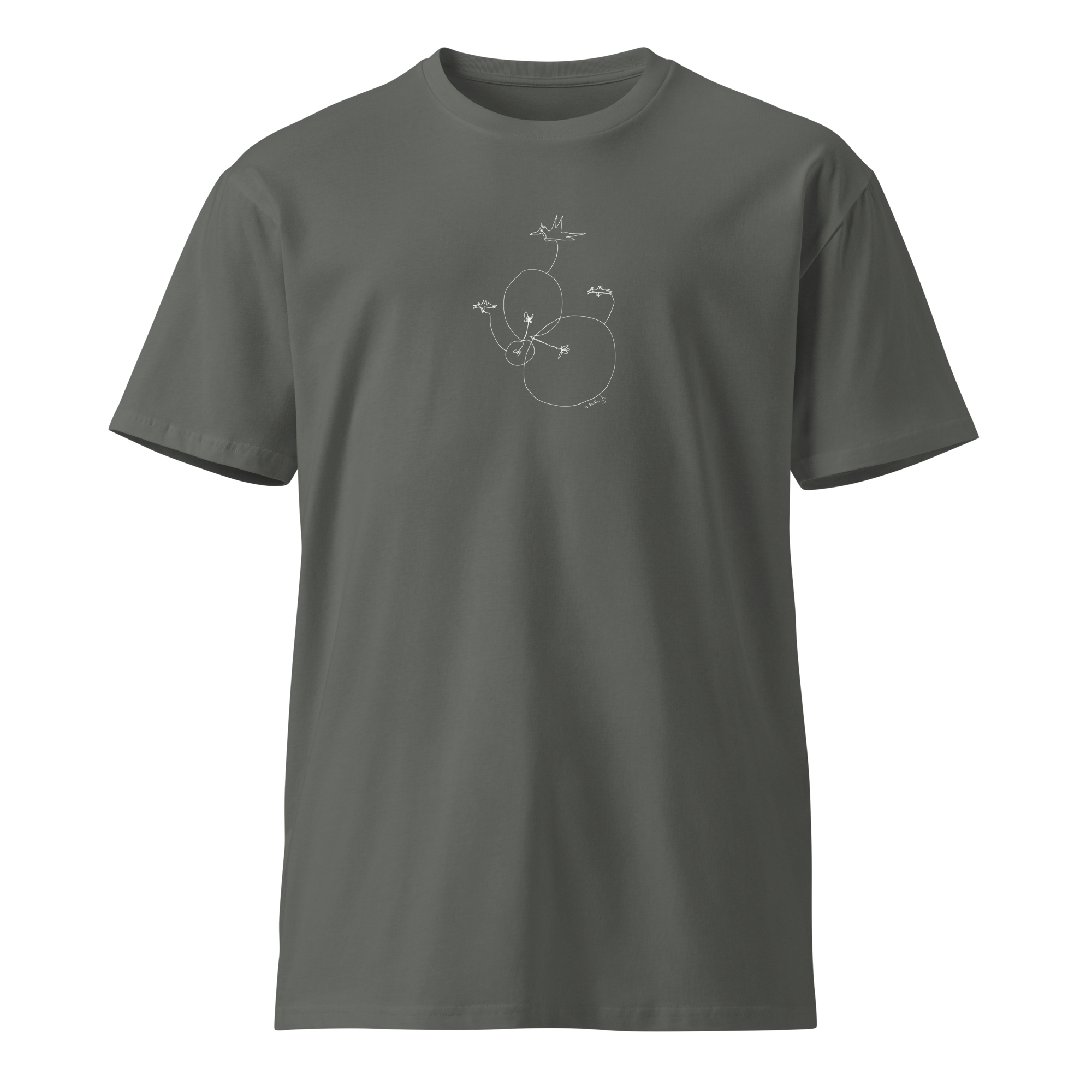
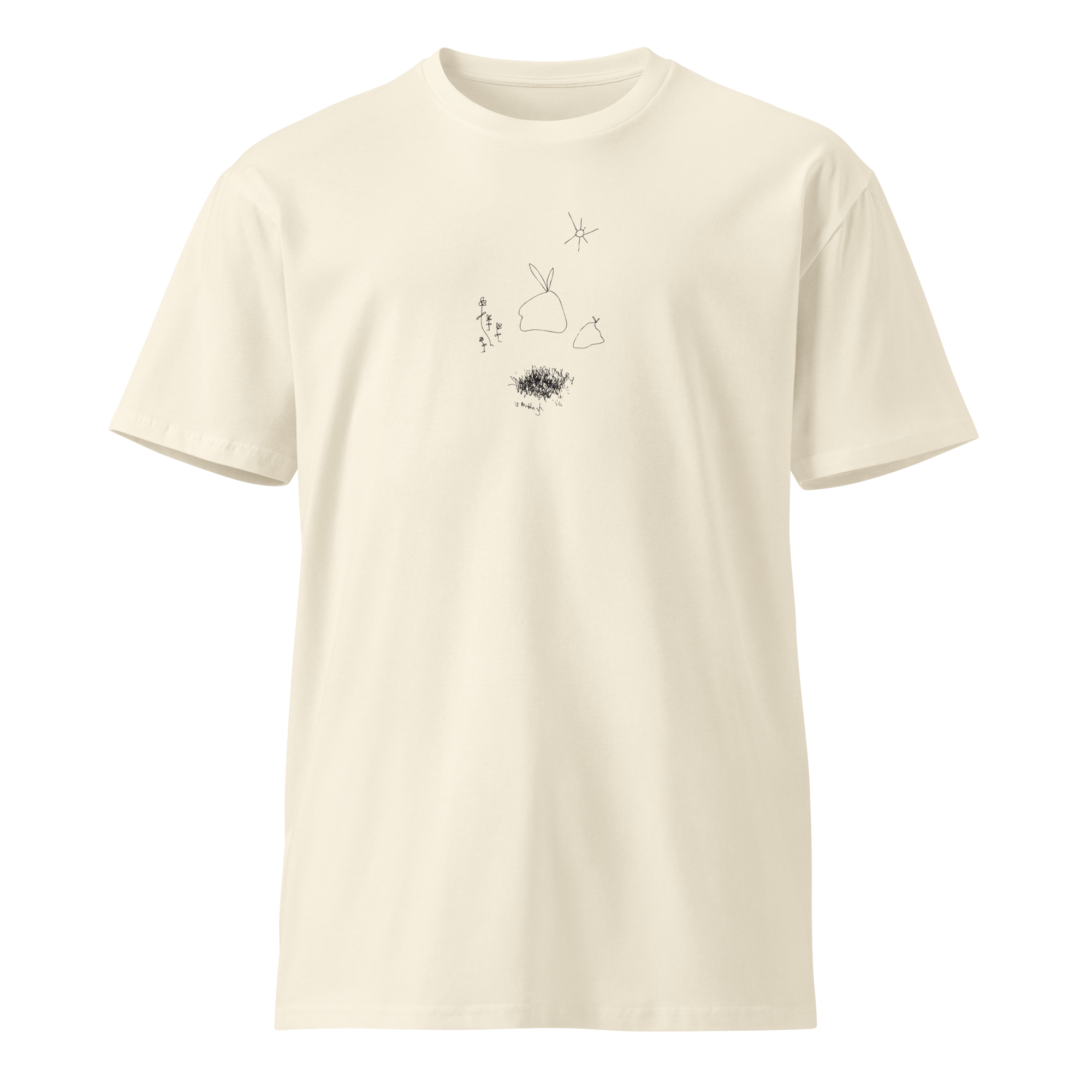
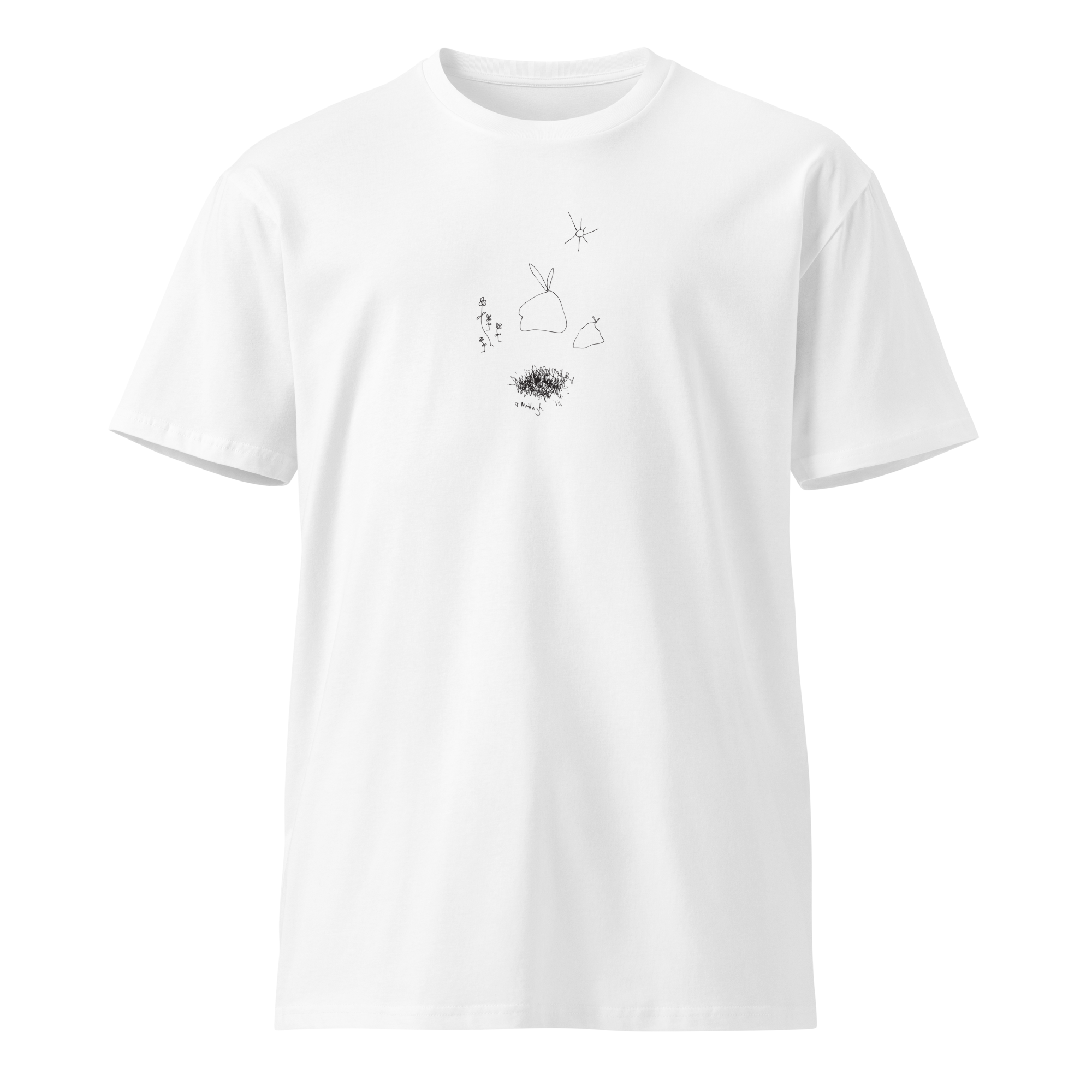
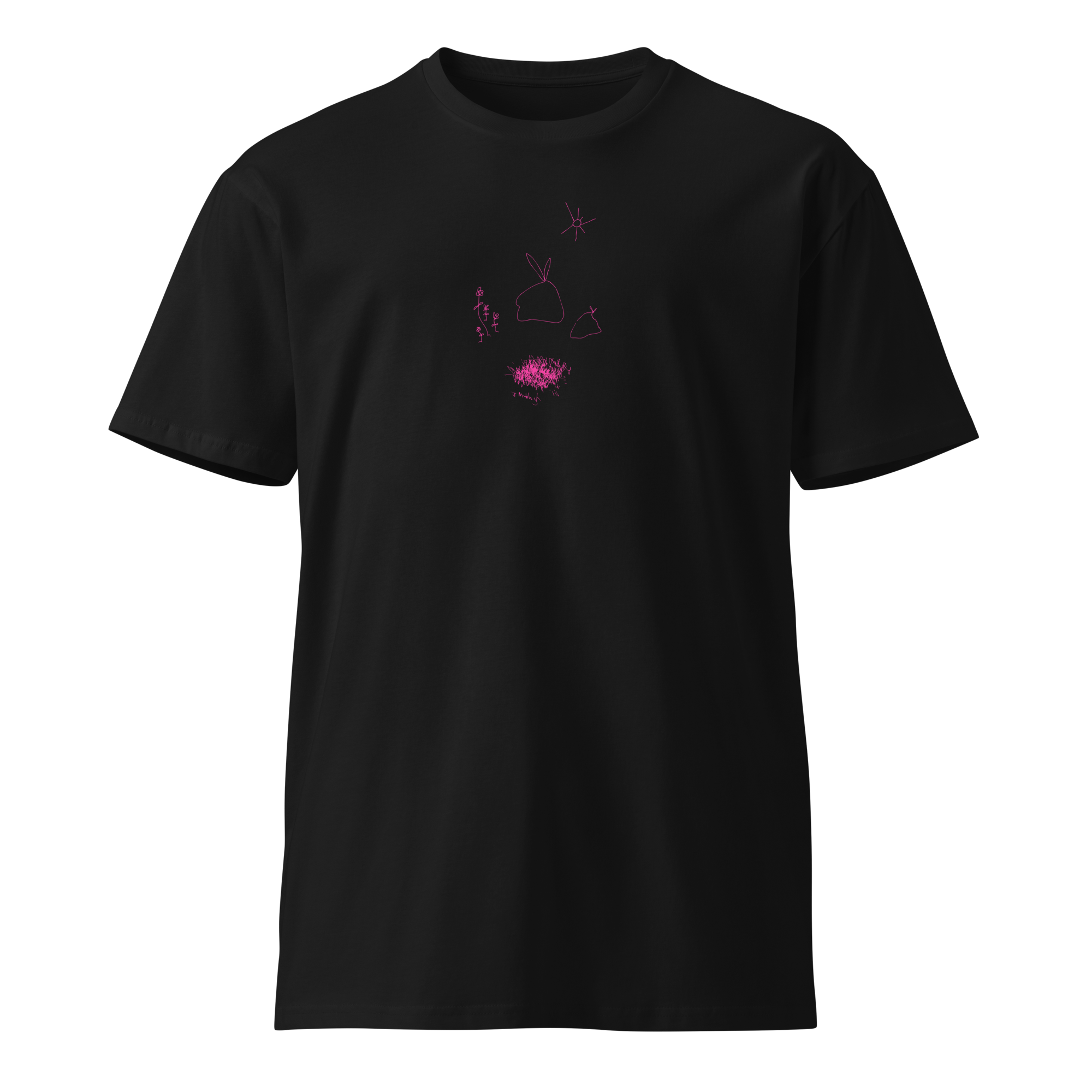
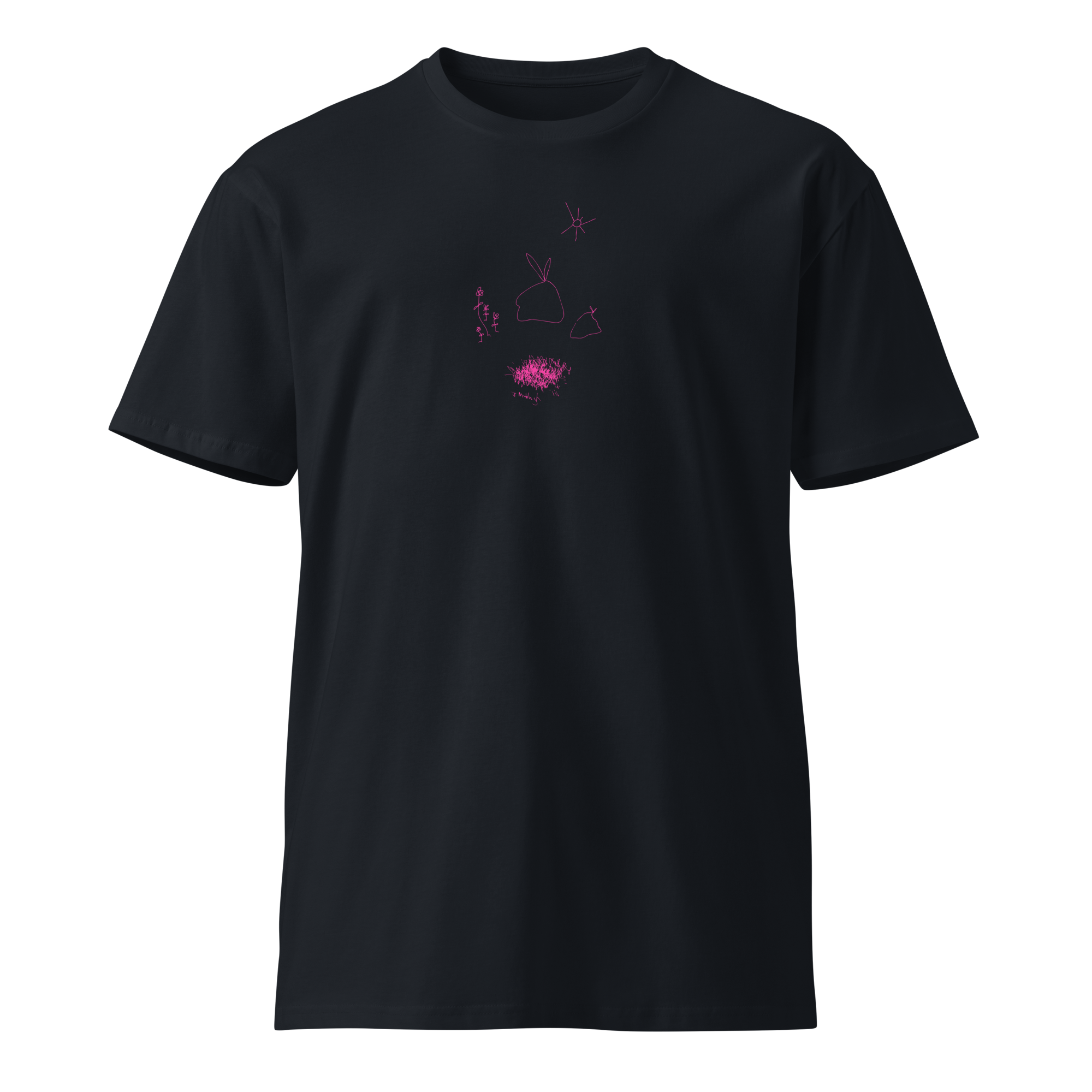
Flying through sun, mountain, flower and air with confidence & style.
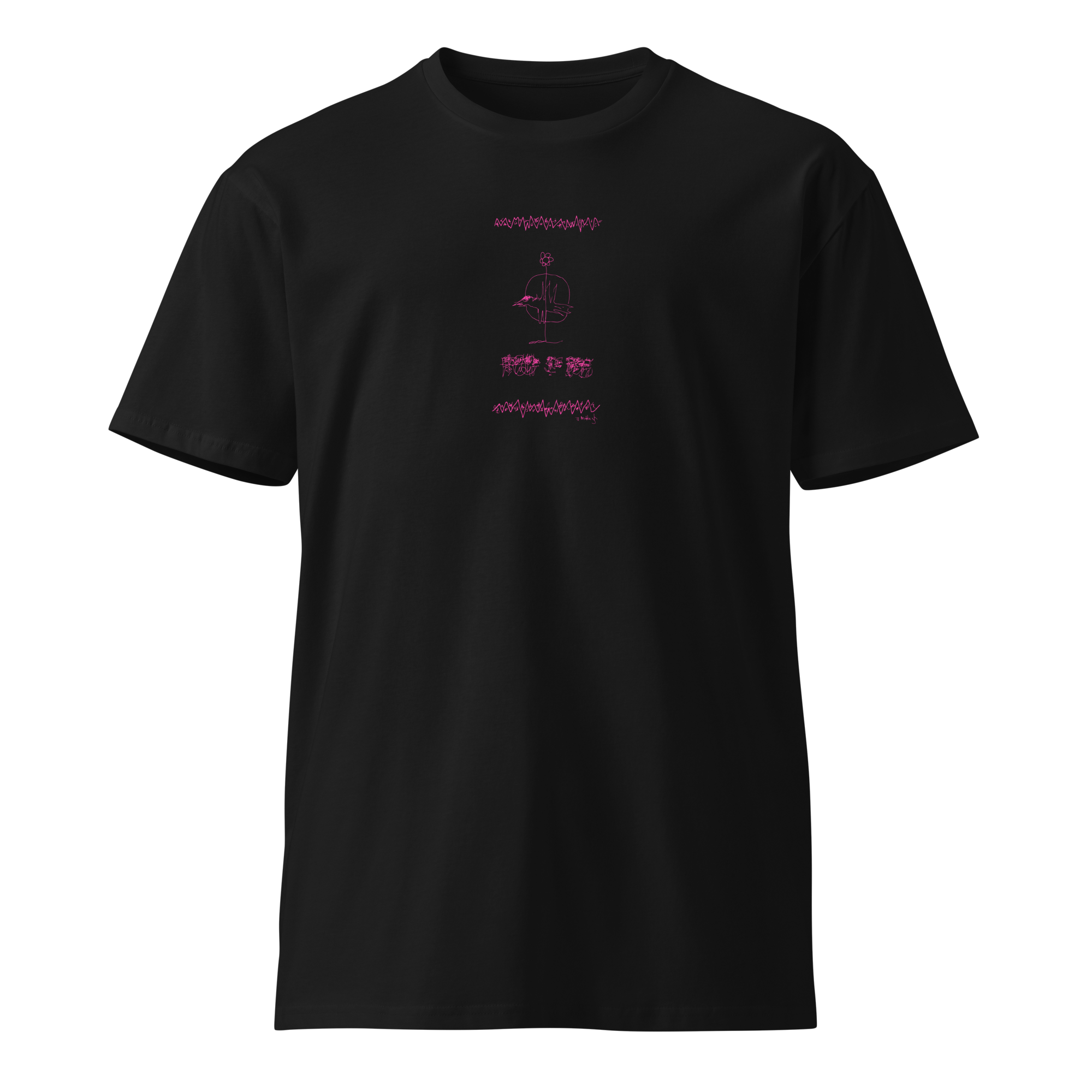
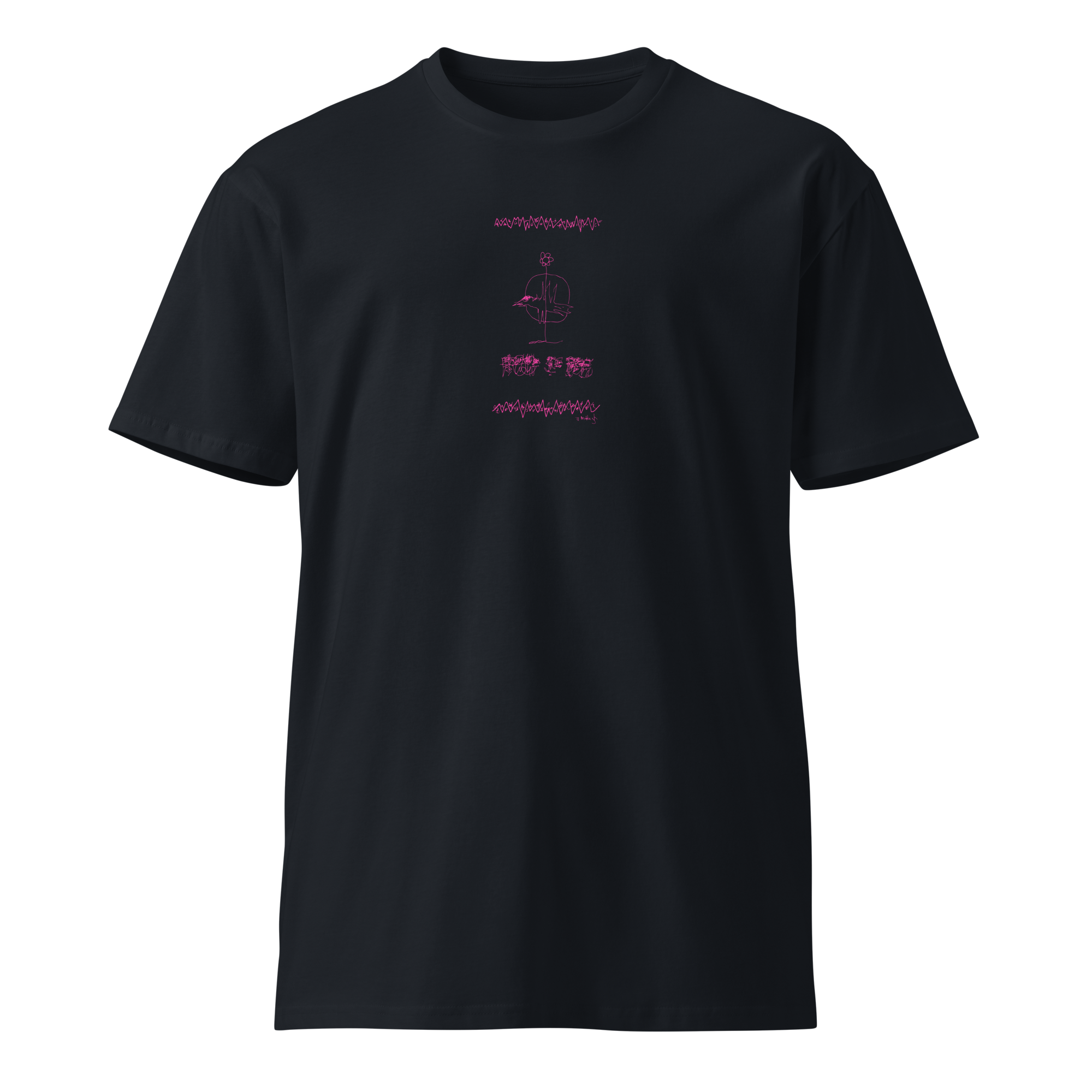
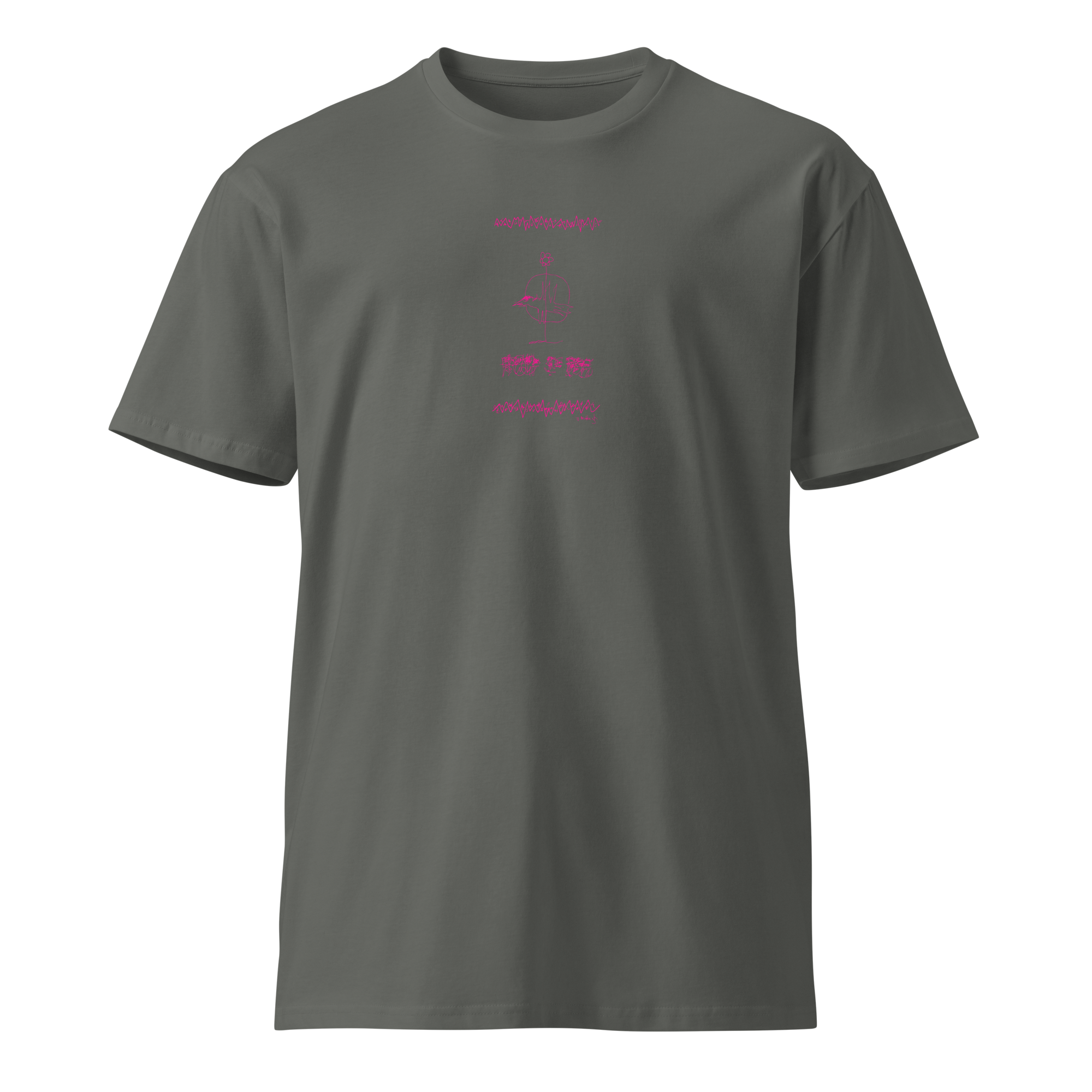
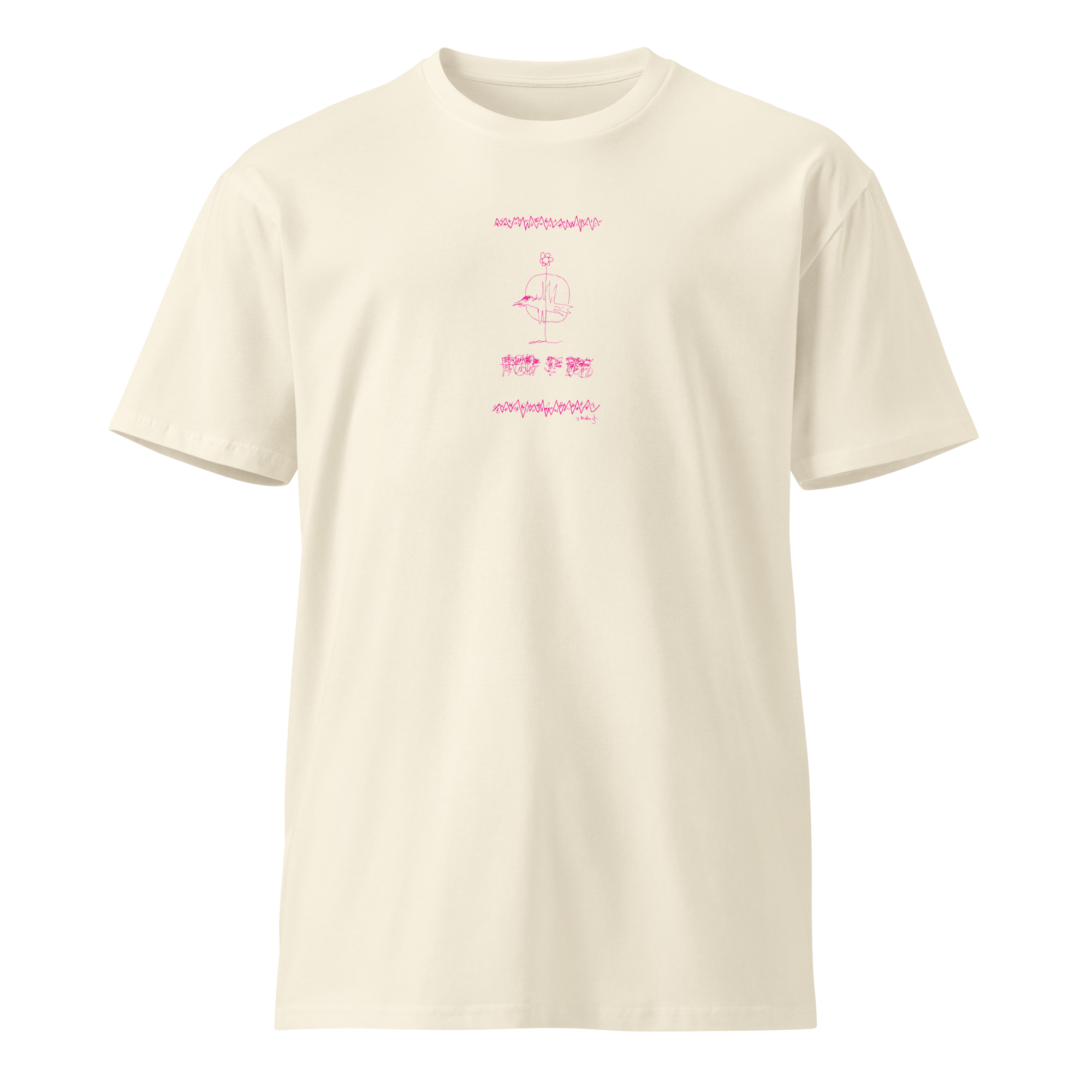
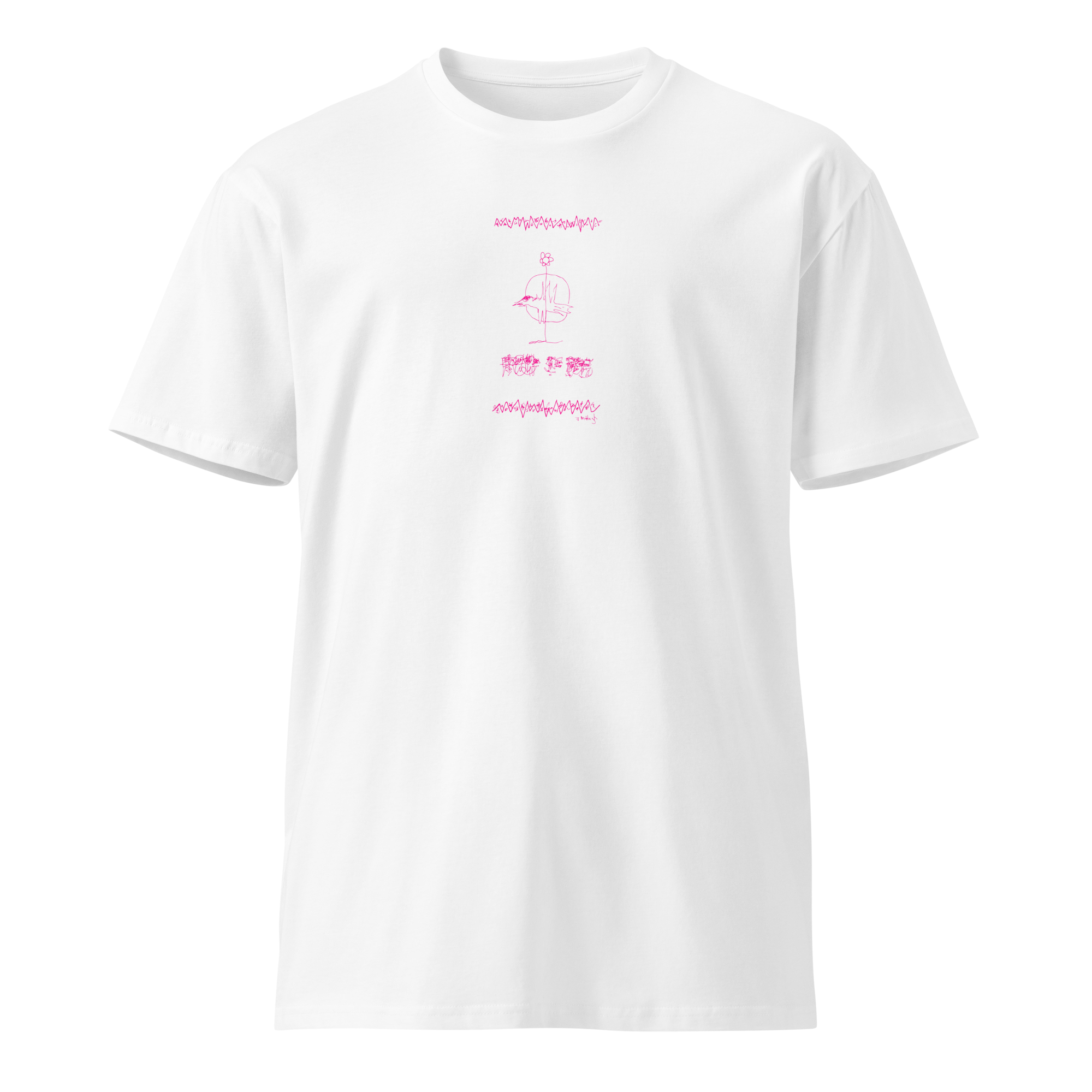
Flying through sun, mountain, flower and air with confidence & style.
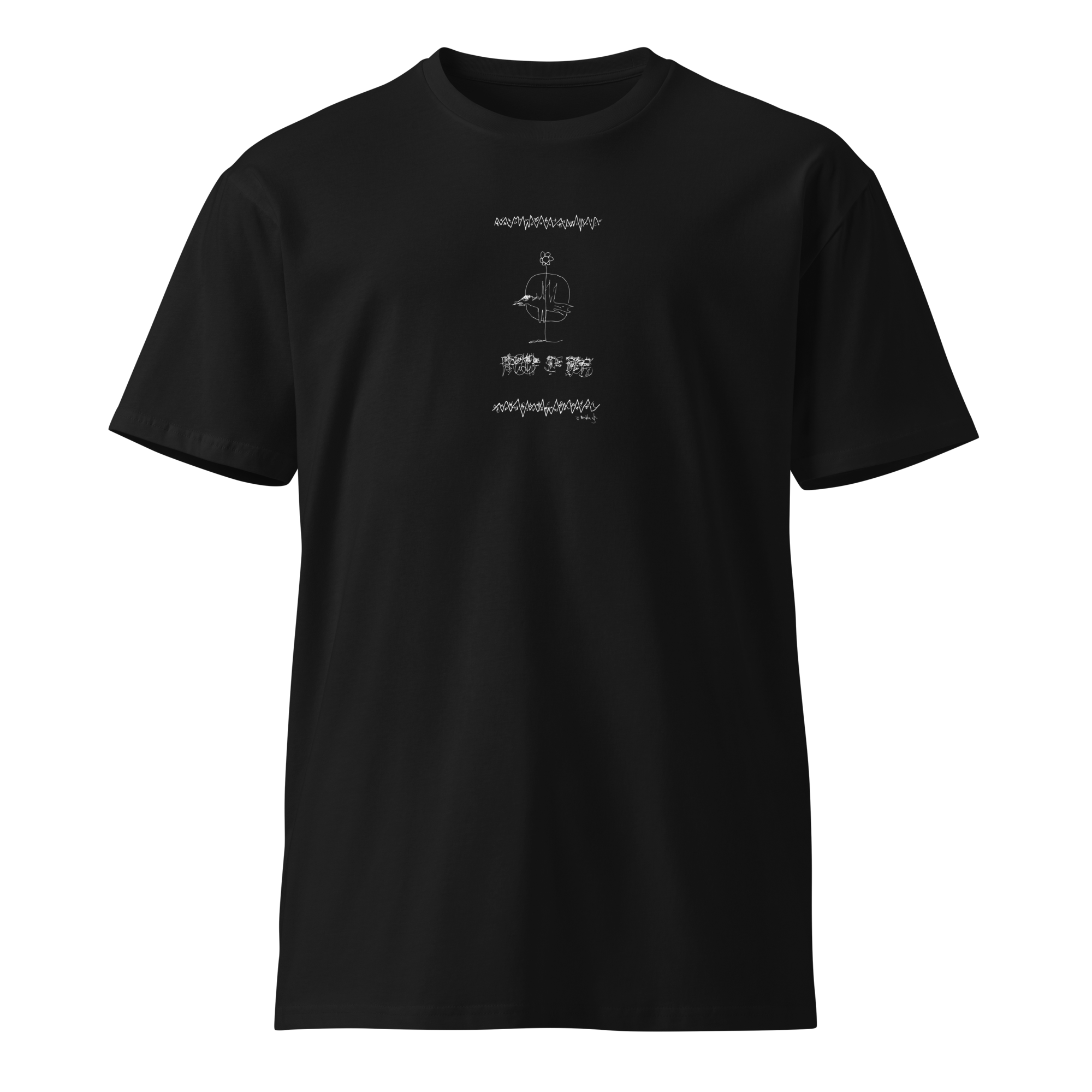
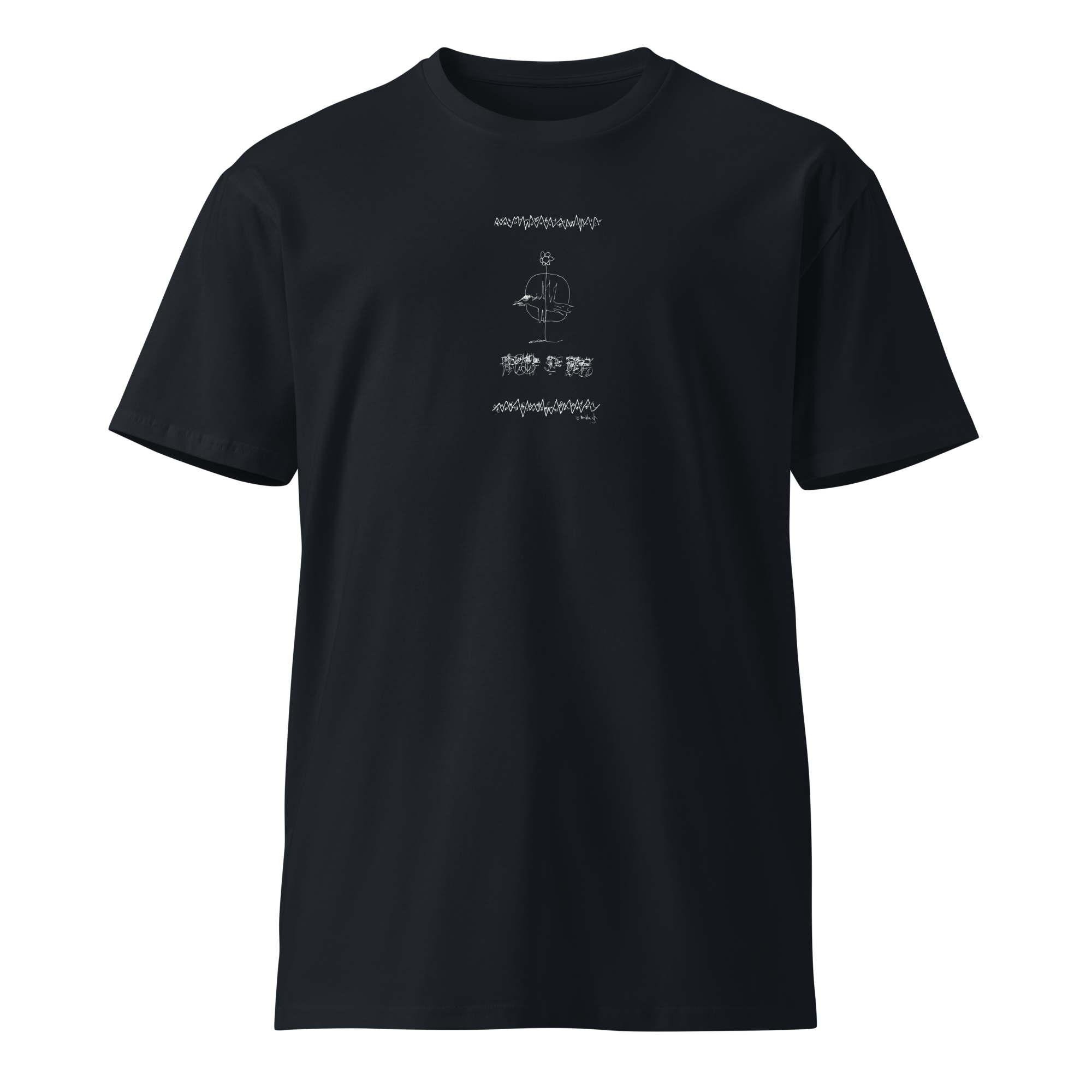
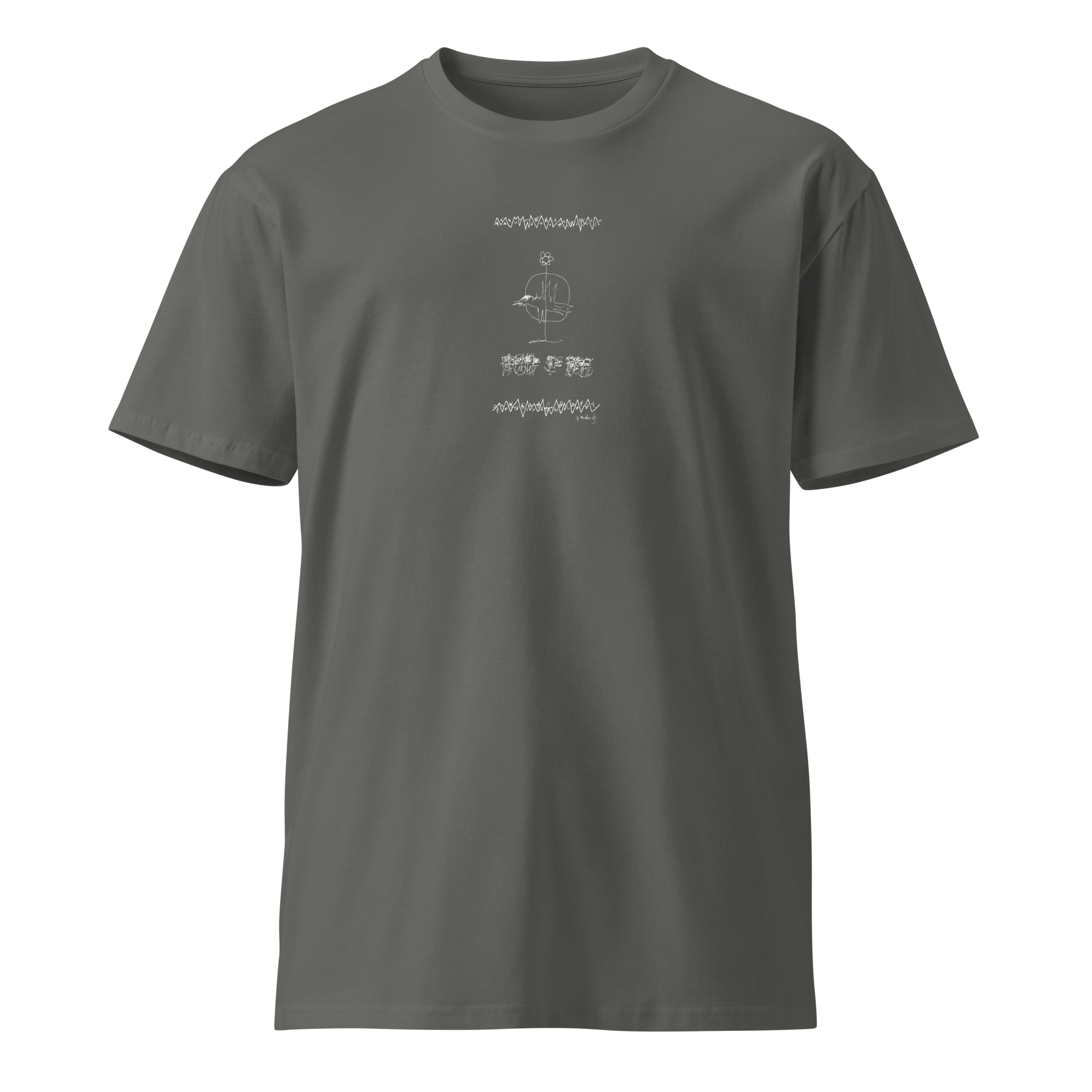
Flying through sun, mountain, flower and air with confidence & style.
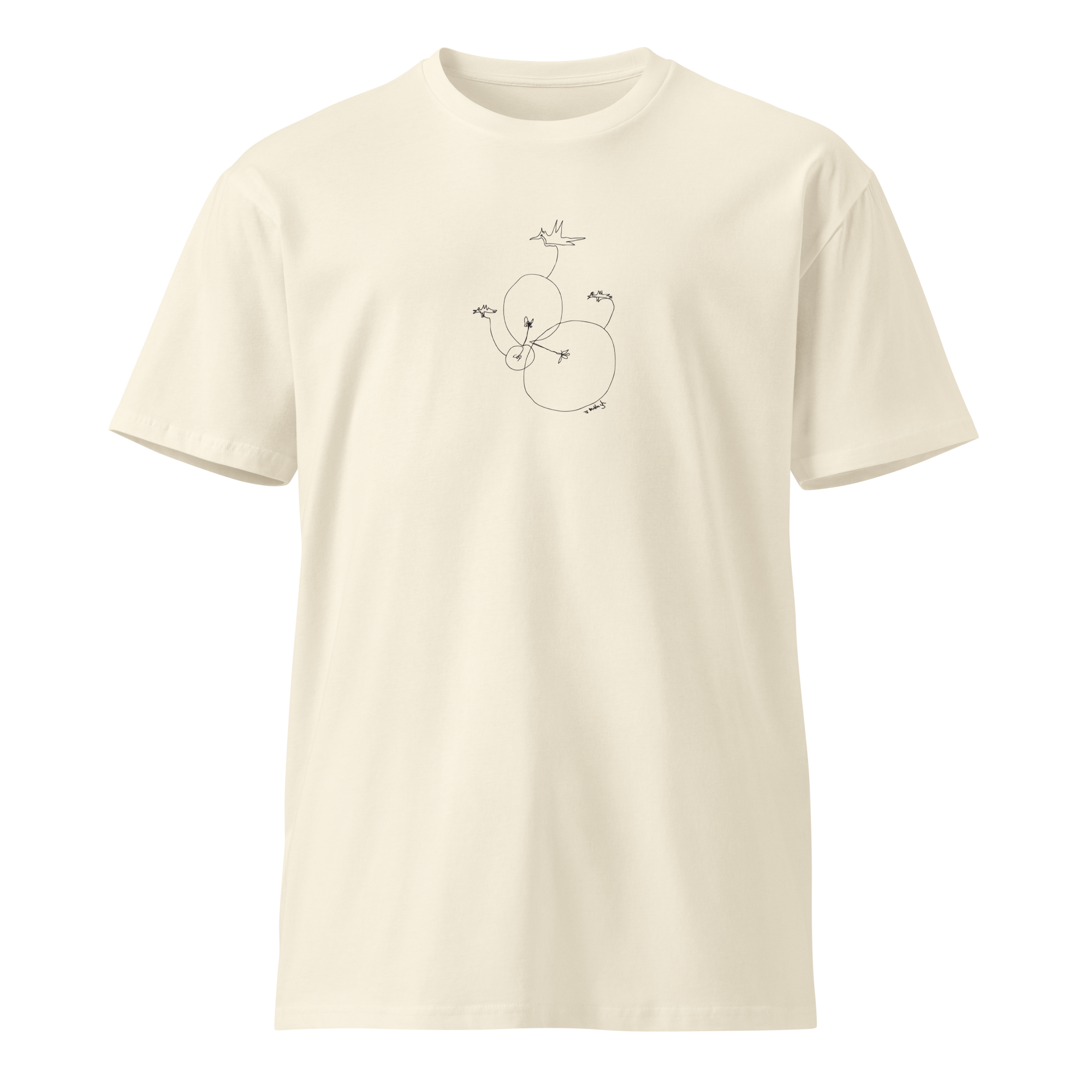
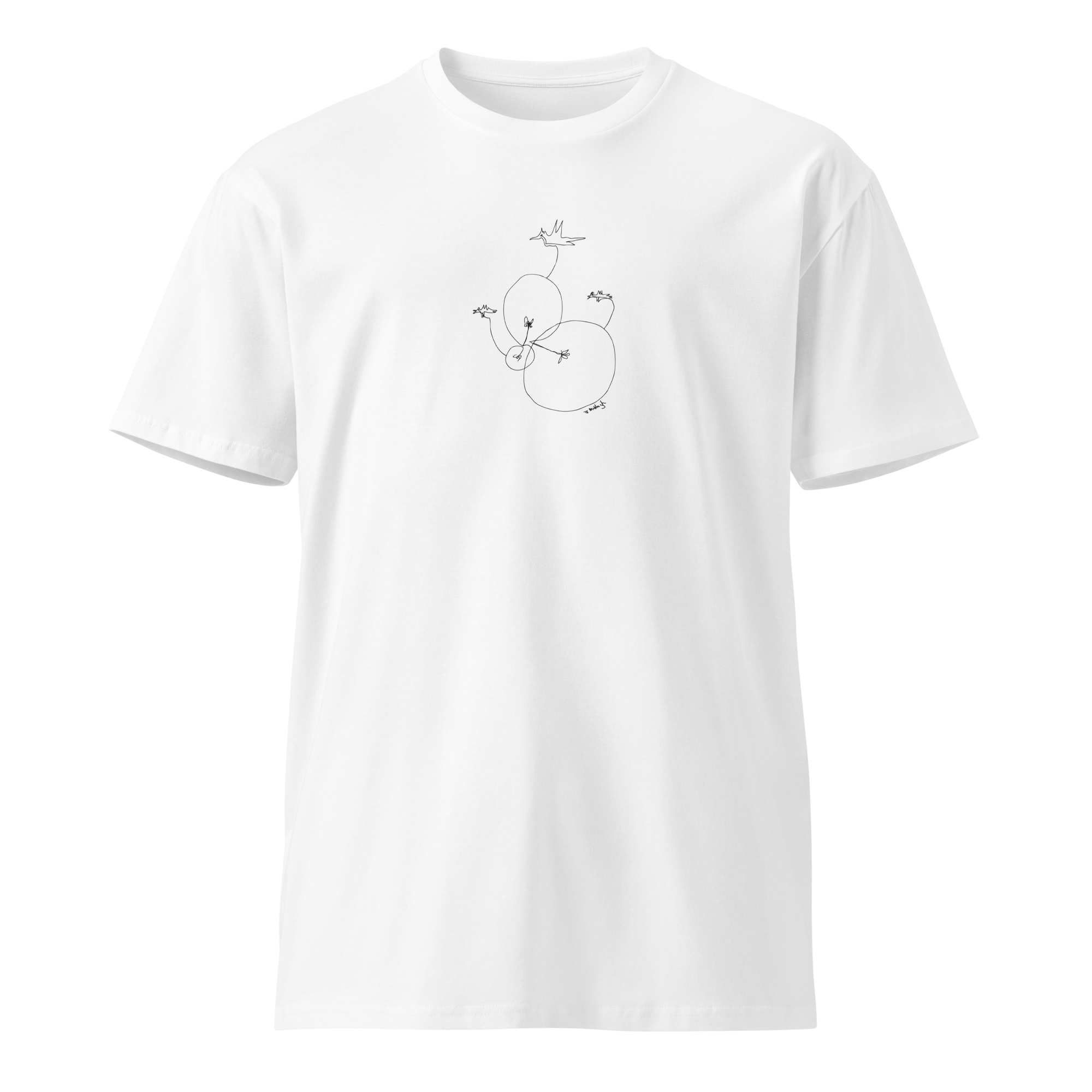
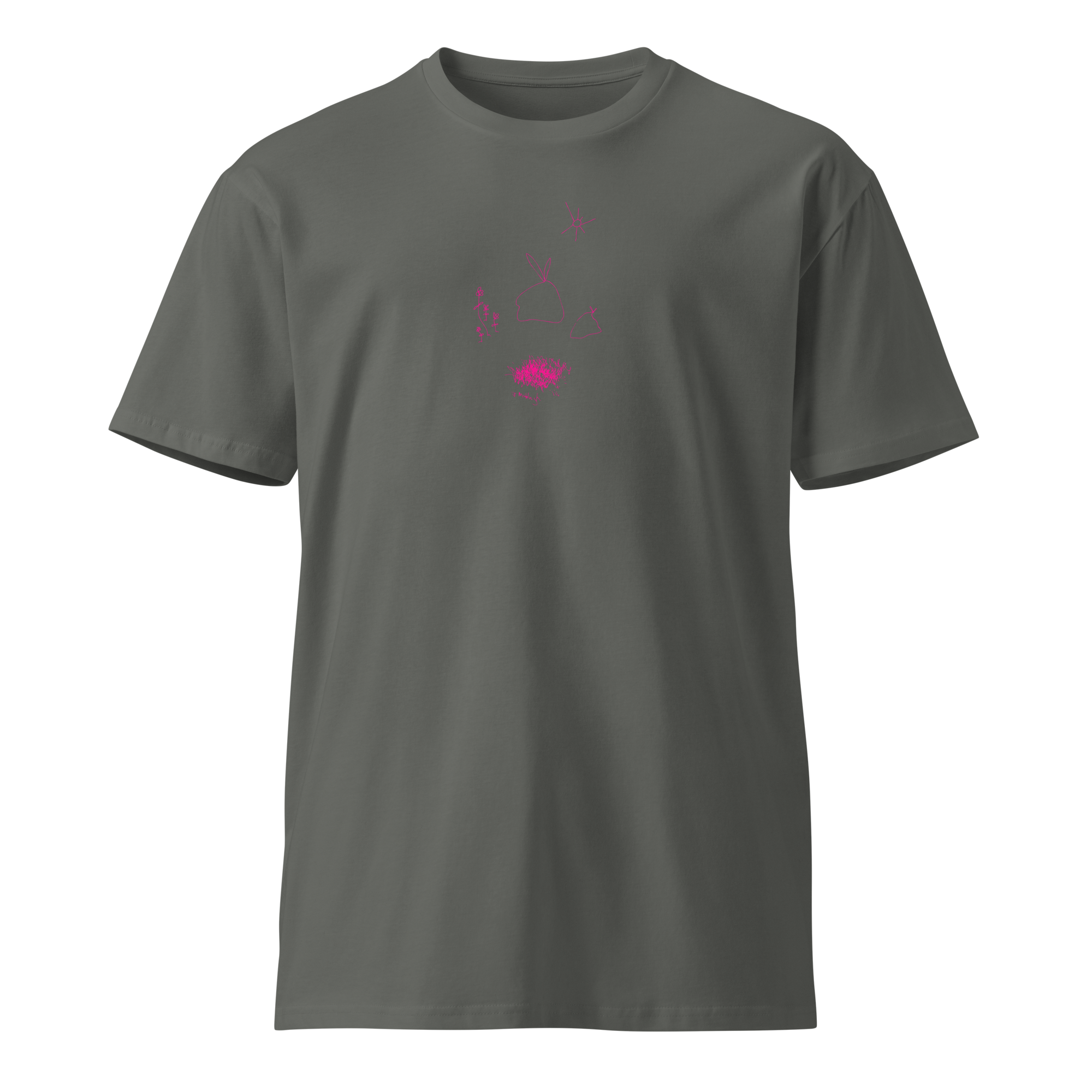
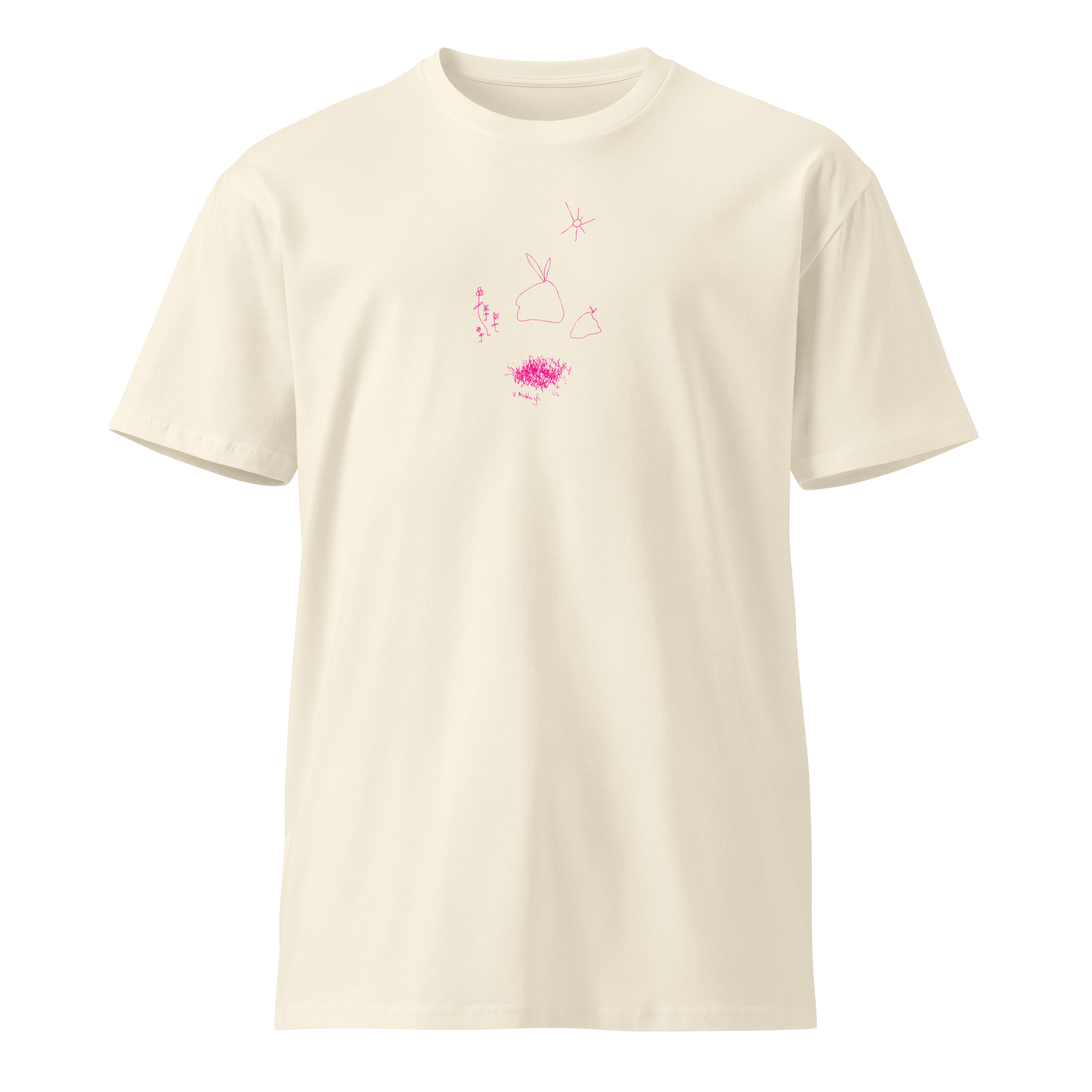
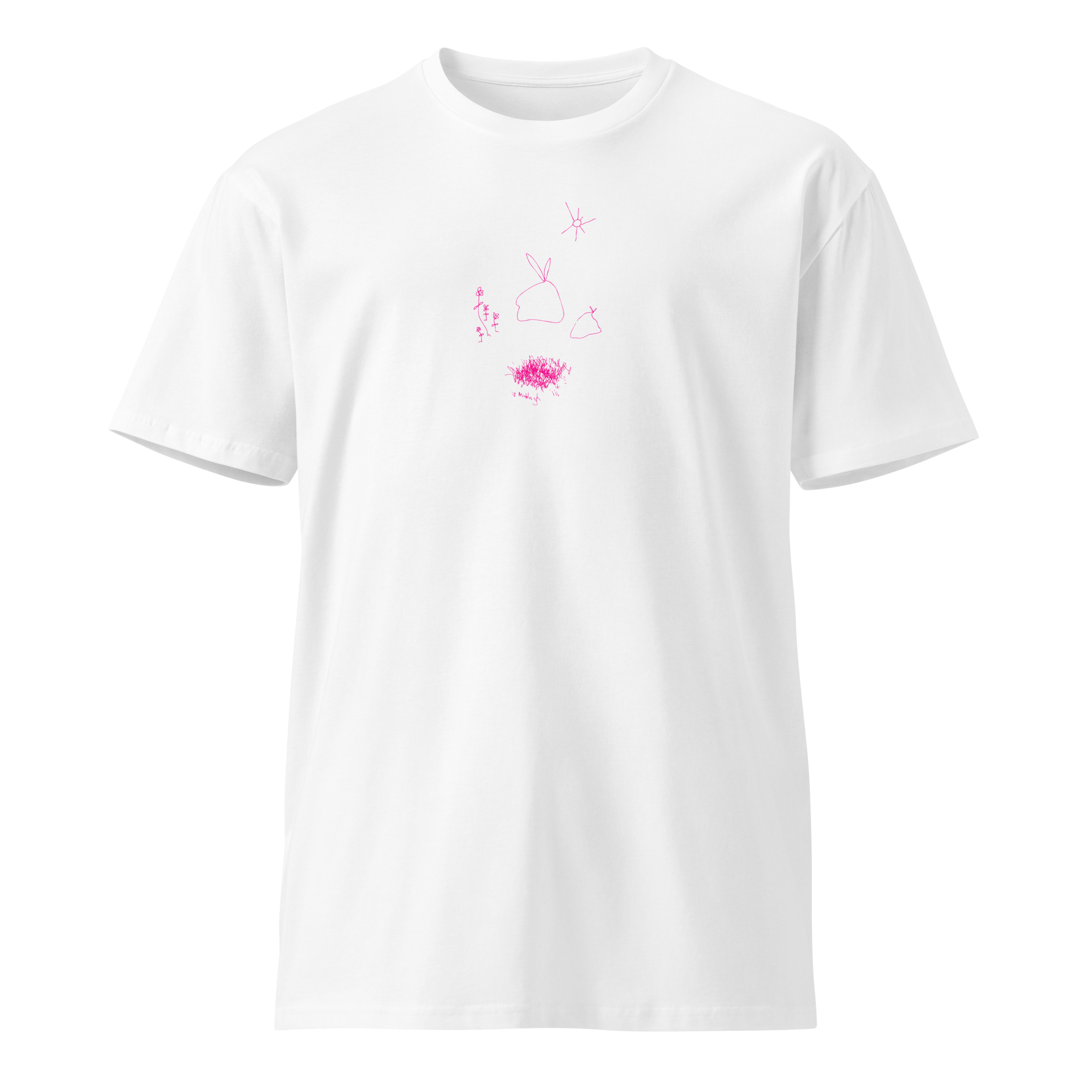
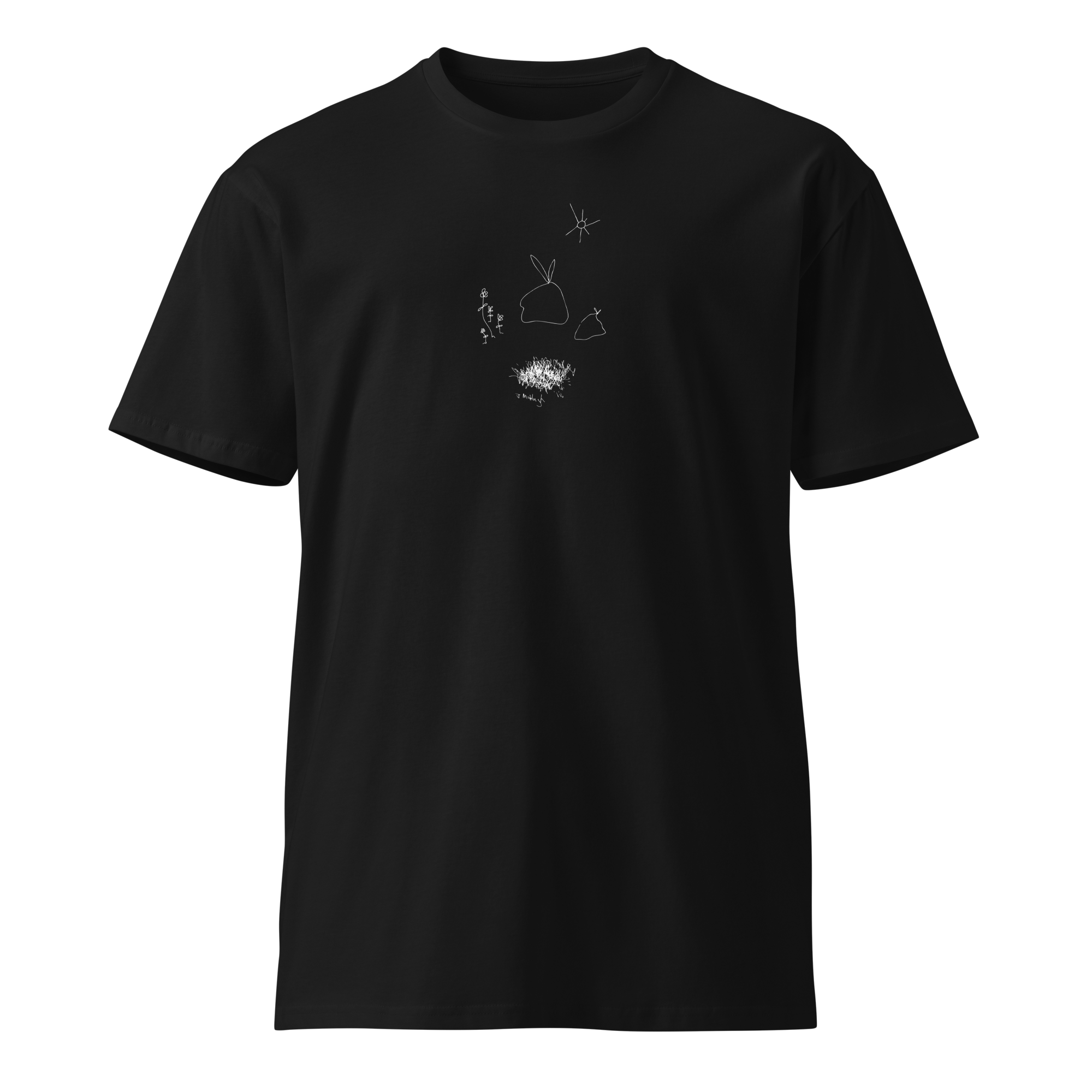
It’s your journey.
We’re honored to tag along.
About Joe
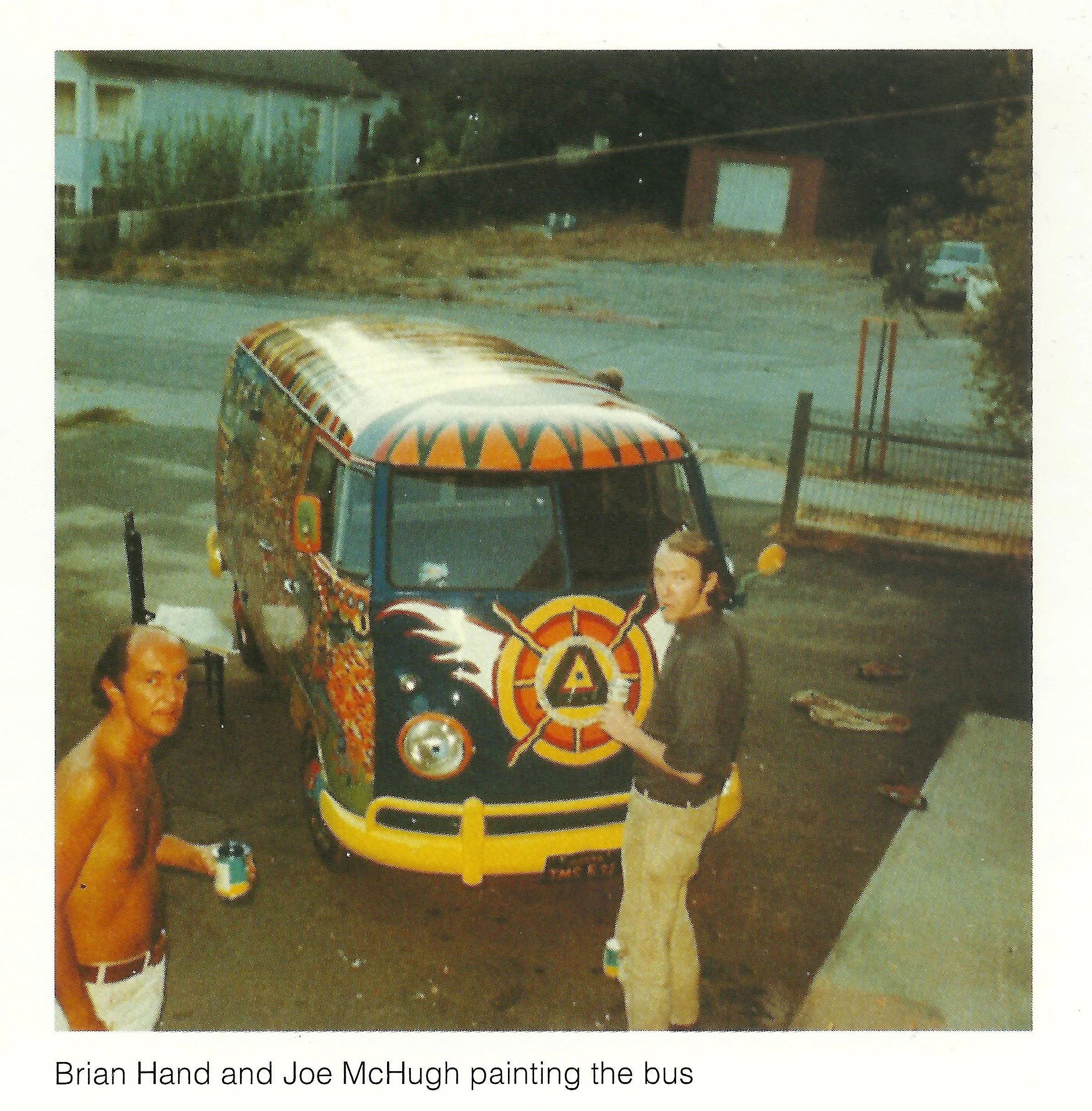
Joe McHugh (1939 - 2022) was an artist, a seeker, and a master at playing with perception. Trained at Lehigh University and the Rhode Island School of Design, he combined the hand of an artist with the curiosity of a mystic. As a schoolboy, he was once chided by an art teacher for drawing a purple tree, an early sign that his imagination was wired for worlds beyond the ordinary. Early on, Joe saw through the cracks of consensus reality.
In 1964, while serving in the U.S. Army at Fort Knox, McHugh met psychologist Bob Hall, who introduced him to the newly emerging world of consciousness research and LSD when it was still legal. From that opening flowed hundreds of sketchbook drawings, collages, paintings, photographs, posters, folded origami, light experiments, and slide shows, each translating the metaphysical into the physical and back again.
McHugh’s home was a salon for musicians, poets, and philosophers who gathered to discuss art, the I Ching, karma, and football late into the night. He was as likely to perform a card trick as to quote Gurdjieff, as fascinated by the geometry of a mandala as by the geometry of a perfect golf swing. Beneath his wit and wonder ran a quiet conviction that creativity was a path to enlightenment.
Joe was a visual philosopher, reminding us that revelation can hide in plain sight, and that sometimes, to fly, all you need to do is flap your arms.
About Flapping Your Arms Can Be Flying
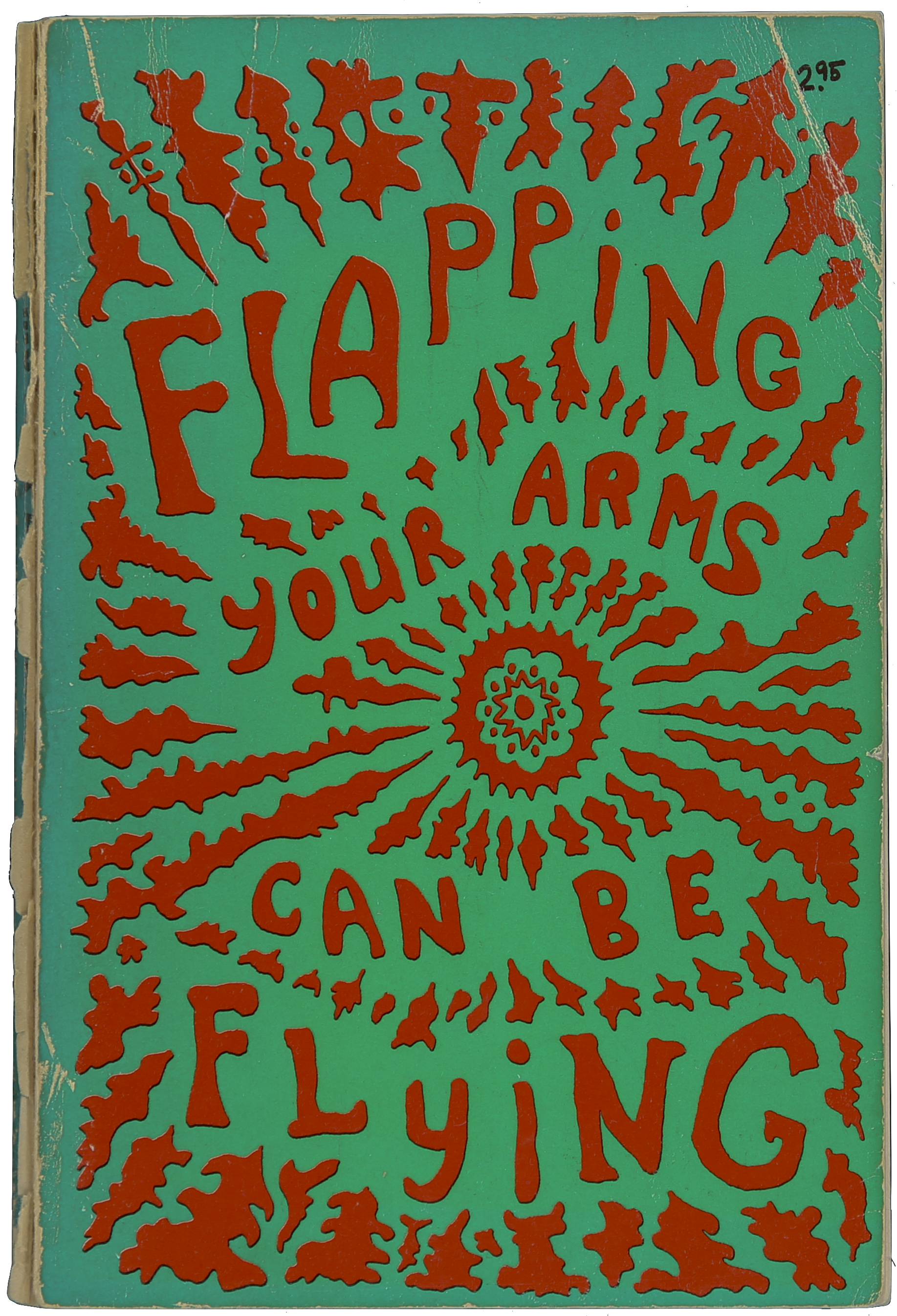
Flapping Your Arms Can Be Flying began in Joe McHugh’s Army sketchbooks in 1964. Joe’s army sergeant Bob Hall was fascinated by the energy Joe invested in his sketchbooks. The scribbles, drawings, and doodles inspired Hall to write poems, and together they created Flapping Your Arms Can Be Flying.
First published in San Francisco in 1966, just before the Summer of Love, Flapping Your Arms Can Be Flying helped launch the movement. With favorable reviews from Ken Kesey, it was an immediate success, laying the groundwork for East Totem West, a visionary publishing company dedicated to producing high-quality, affordable psychedelic art. Or, as Joe said, an aid to “finding the path back without a chemical guide.”
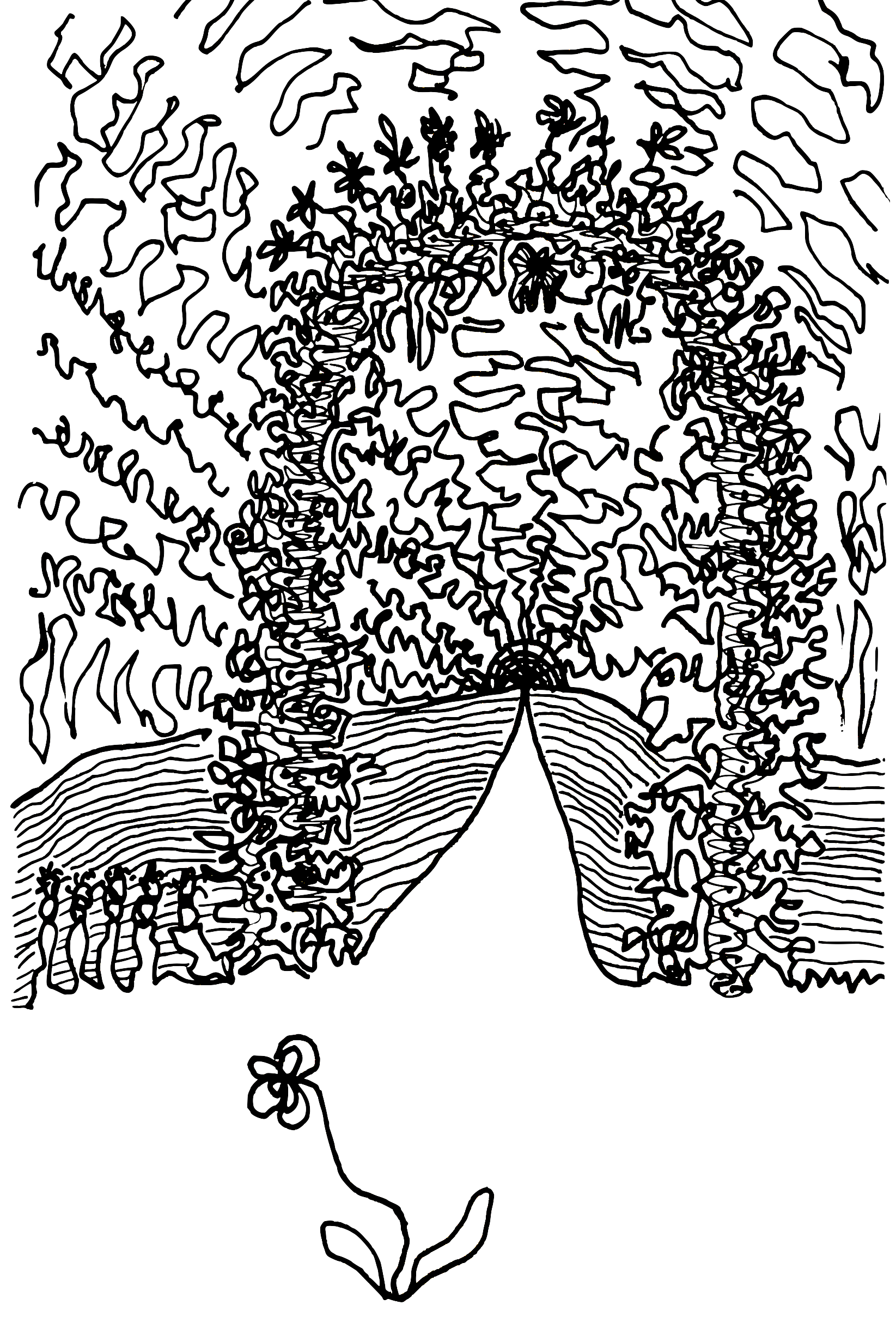
What you see in the book are curious creatures, cosmic symbols, and glimpses of awakening. They’re simple, hand-drawn, and somehow endless, alive with Joe’s love of the metaphysical, the playful, and the profound.
Flapping Your Arms Can Be Flying became part of the Victoria and Albert's permanent collection in the late 1990s.
We’re not here to overly explain the drawings. We’re just putting them back into the world, to be worn, shared and understood in new ways.
About The Other Cat Notebook
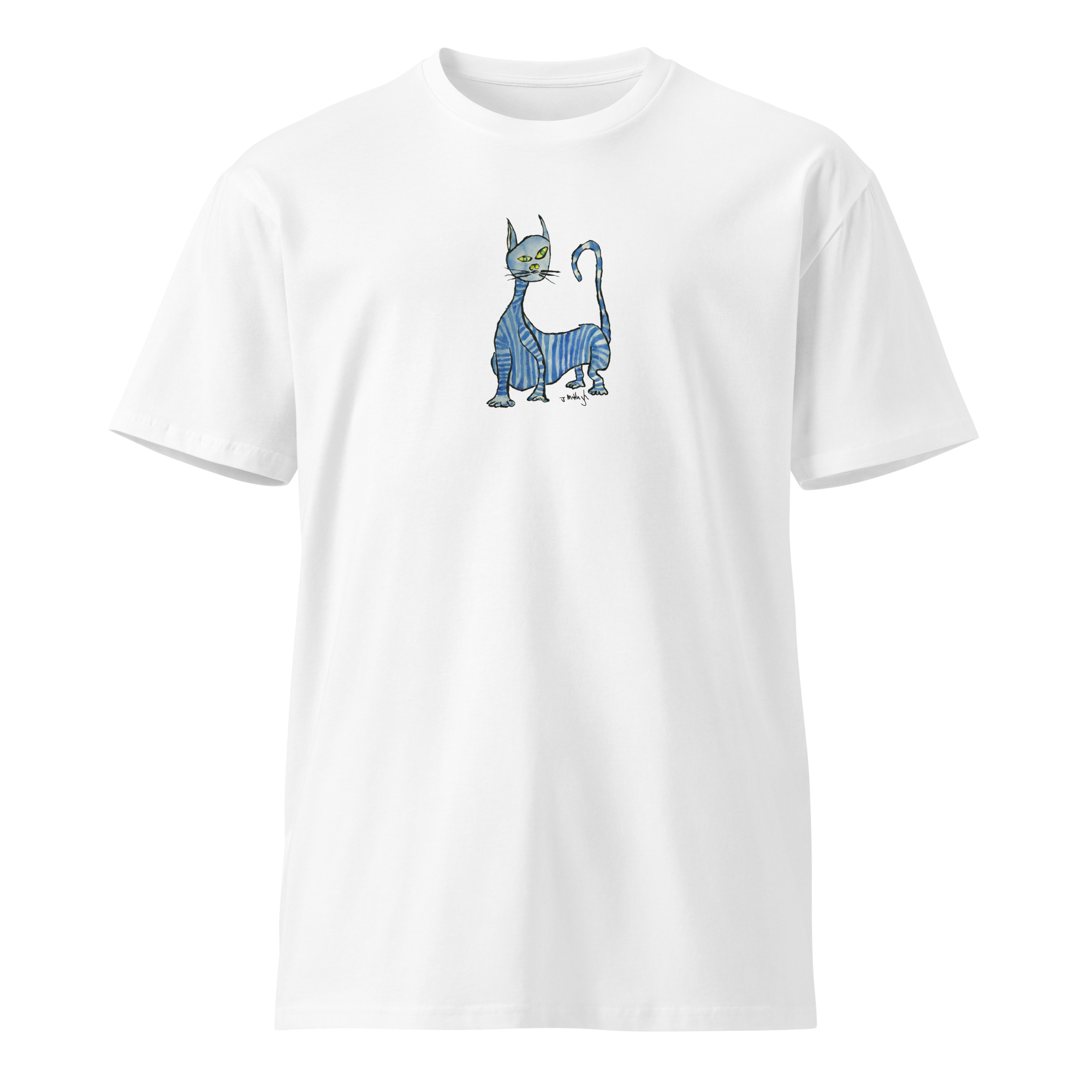
Well before Joe McHugh’s psychedelic visions took flight, there was this small, unassuming notebook, marked “25¢” on the cover, its humble price tag a clue to Joe’s life before San Francisco and before East Totem West. The pages within are mostly quiet and stark: graphite studies of still forms, dreary in tone, restrained in gesture.
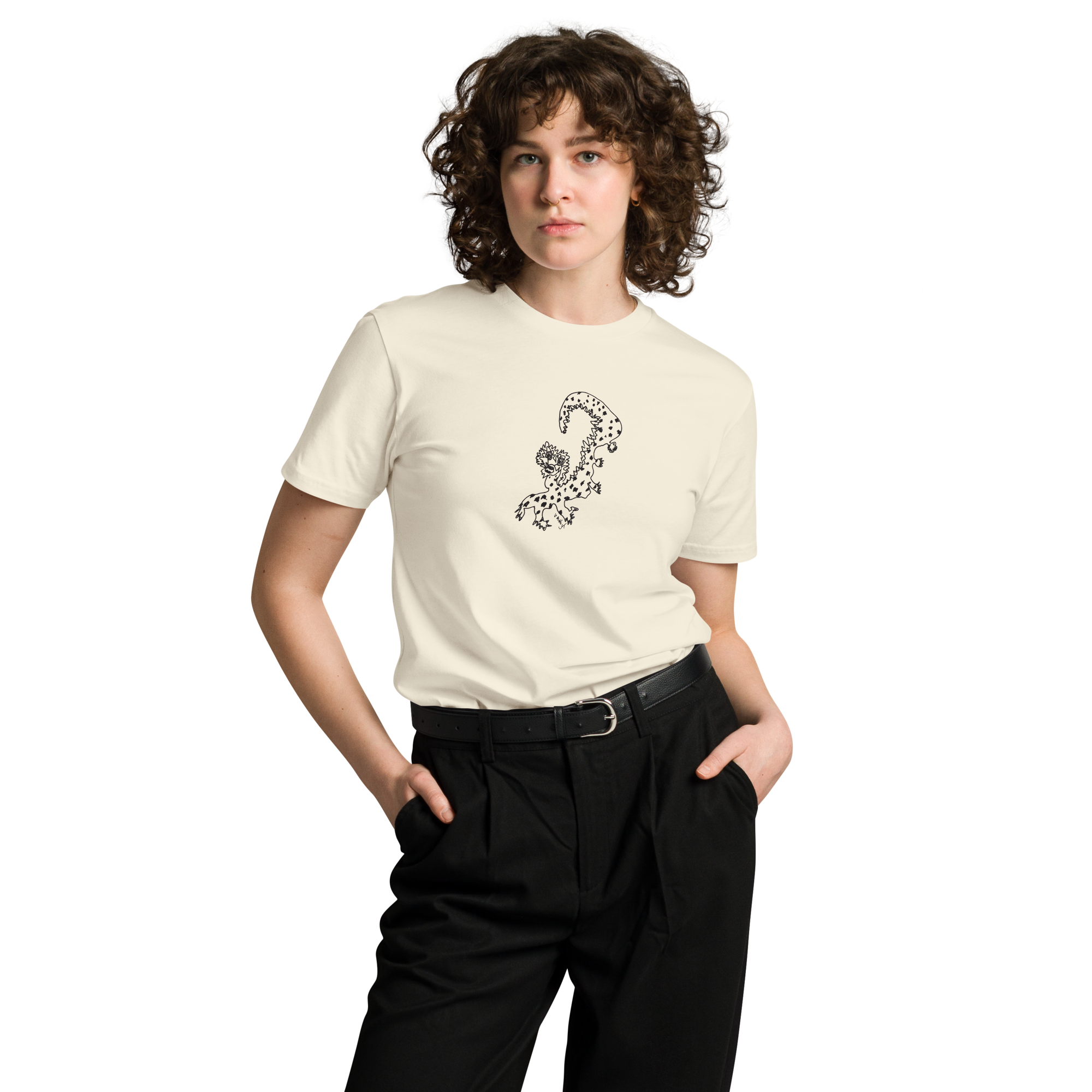
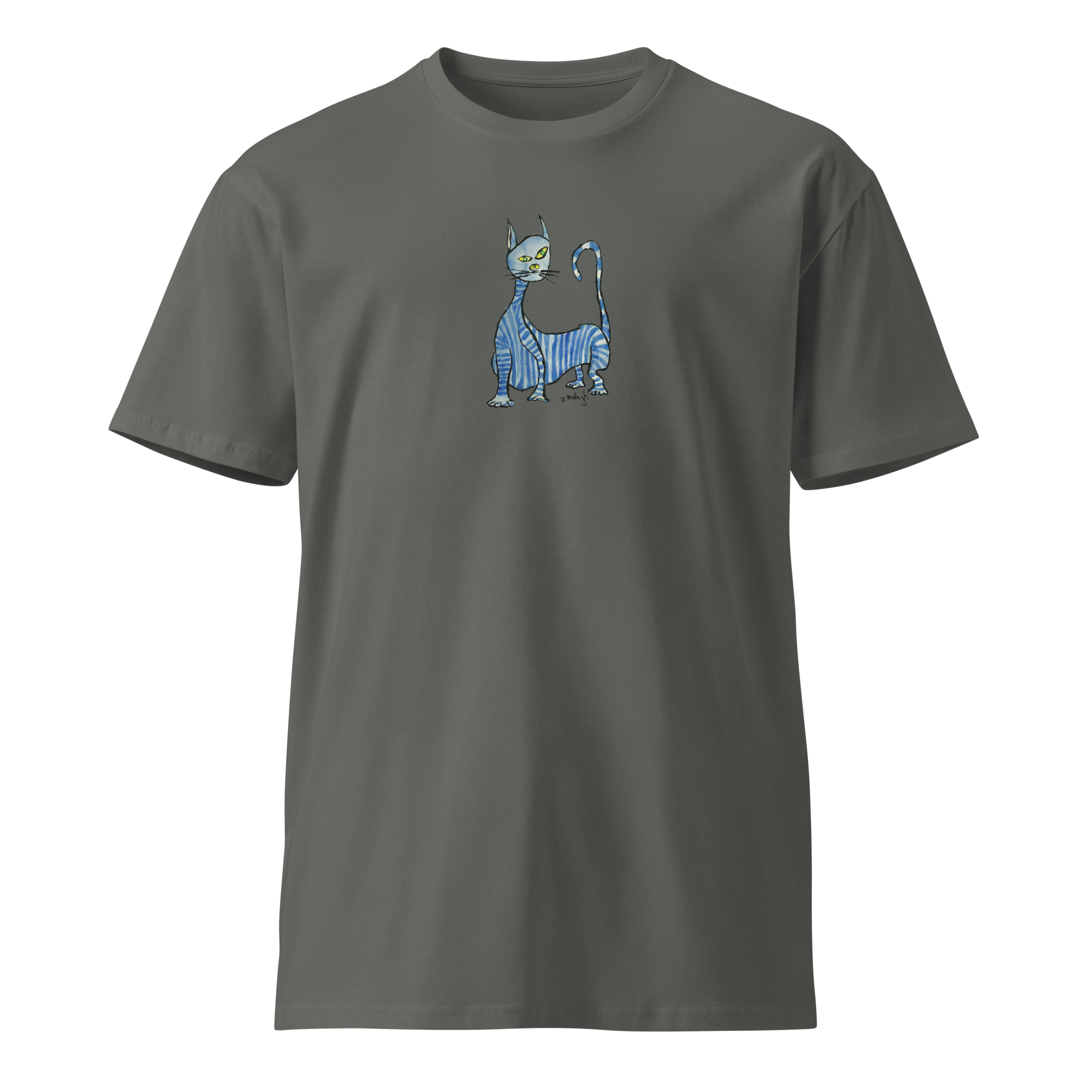
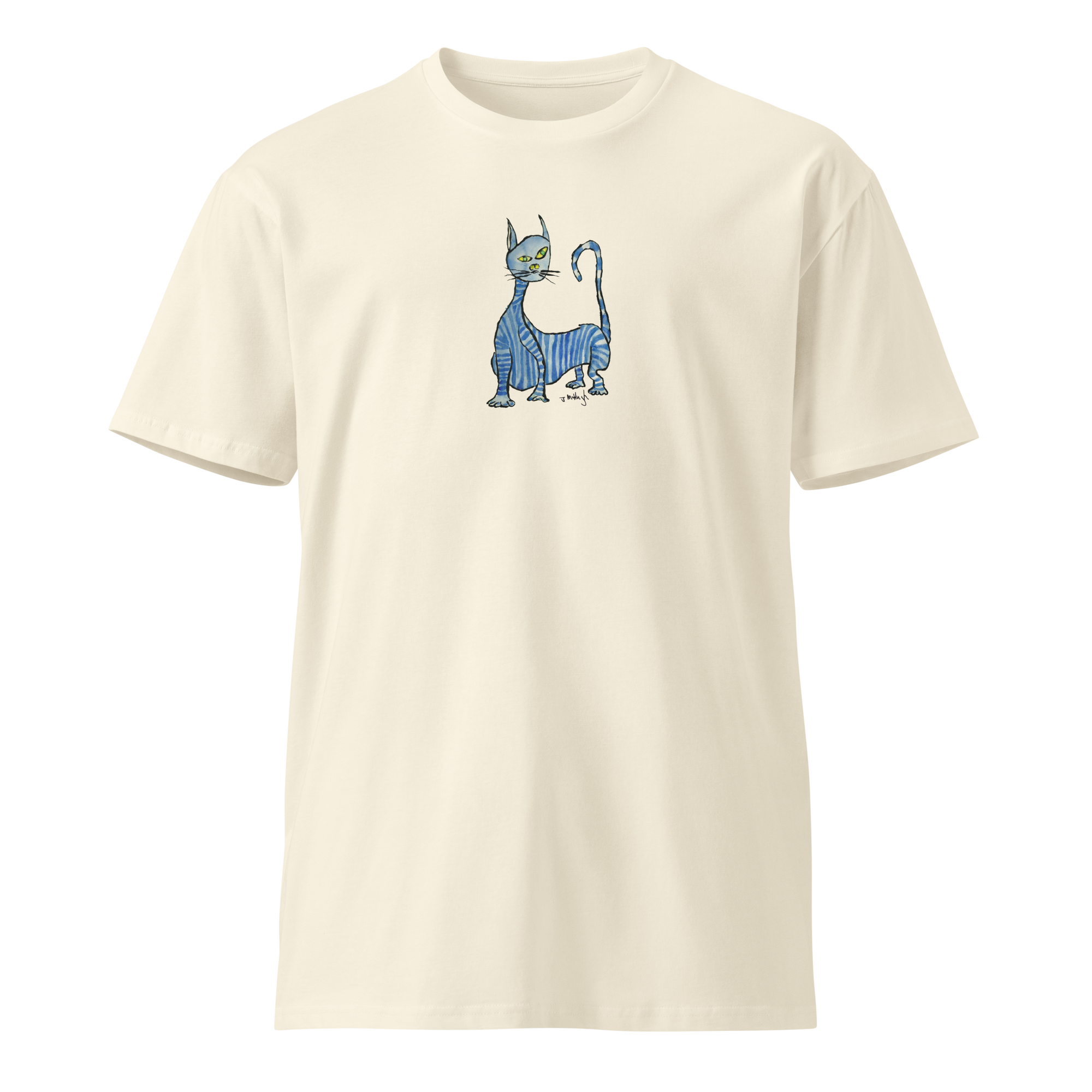
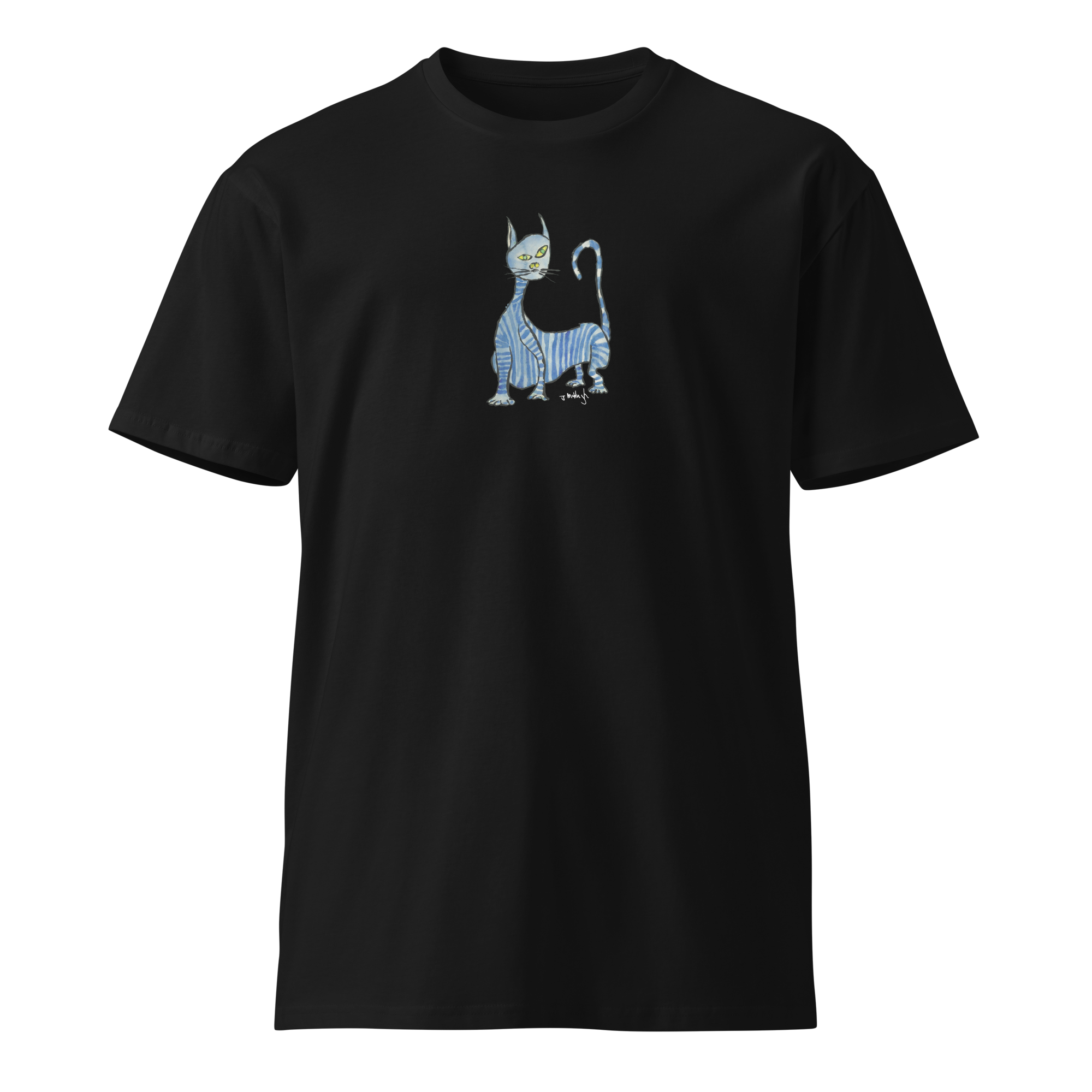
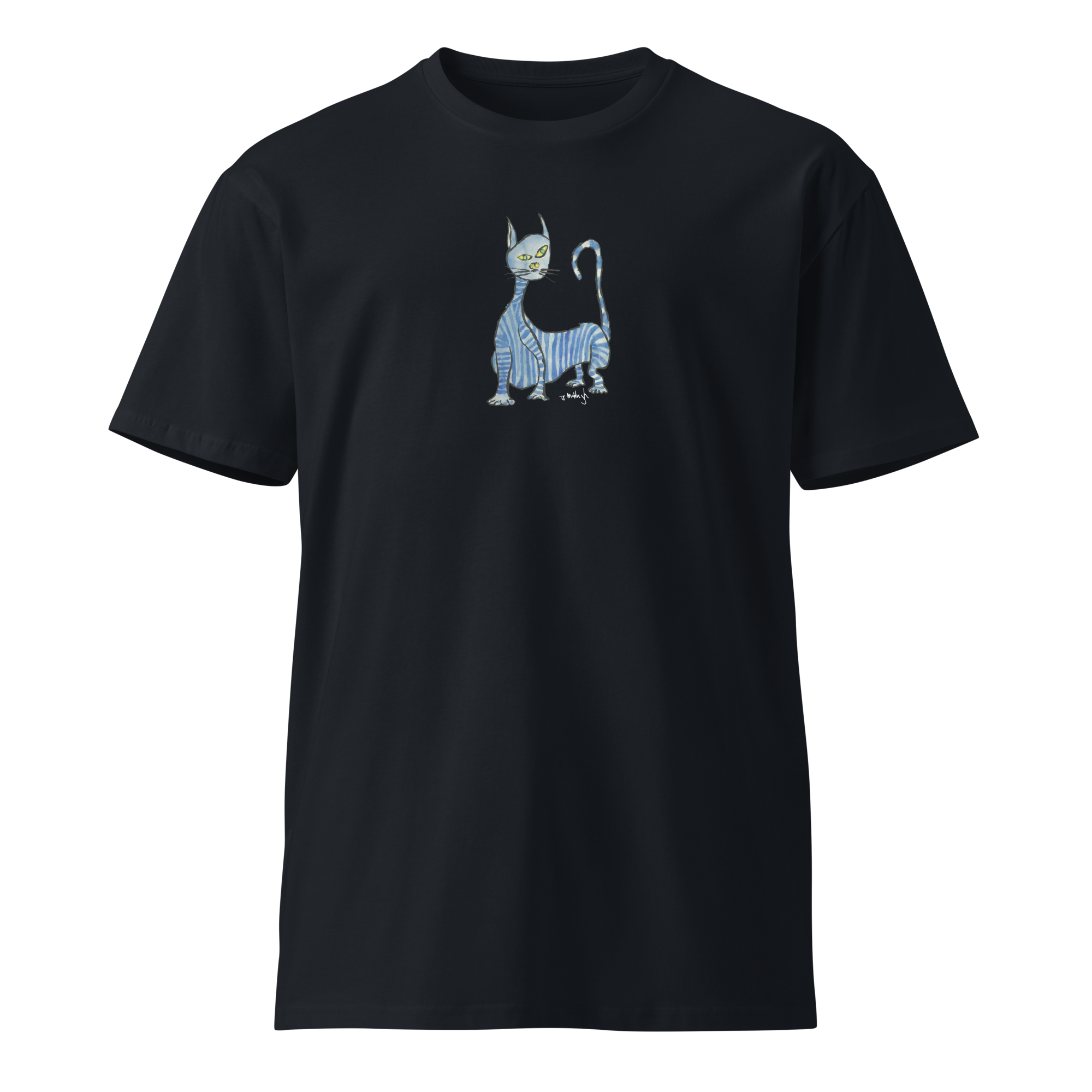
And then, on page 16, out of the gray world of the earlier pages leaps The Other Cat, a blue-striped, wide-eyed creature in full technicolor. It’s as if Joe’s inner world suddenly pawed its way onto the page. Like the purple tree he drew in grade school, this cat announces his true vision: imagination unbound, playful and metaphysical. Decades before his famous White Rabbit poster, we see McHugh’s psychedelic vocabulary emerging, from graphite to color, from intellect to intuition.
Elsewhere in the notebook, a page of cryptic markings hints at his early fascination with the I Ching, the ancient Chinese oracle that became one of Joe’s lifelong touchstones.
The Other Cat got its name years after creation, from Joe’s wife, Jan, who adored the image. Because Joe’s Cheshire Cat poster had become one of his most recognized works and had hung in world-class museums including The Museum of Modern Art (New York), the Victoria & Albert Museum (London), the Mori Arts Center Gallery (Tokyo), the Royal Ontario Museum (Toronto), and the Abeno Harukas Art Museum (Osaka), Jan would refer to this drawing, that sat for years hardly glimpsed by a soul, as, “You know… The Other Cat.” The name perfectly captures Joe’s, Jan’s, and The Other Cat’s sense of humor and metaphysical whimsy.
What we see in this modest twenty-five-cent tablet is Joe moving from the ordinary to the other, and this t-shirt marks The Other Cat’s world debut.